


Why Your Plants Are Dying?
Impossible d'ajouter des articles
Désolé, nous ne sommes pas en mesure d'ajouter l'article car votre panier est déjà plein.
Veuillez réessayer plus tard
Veuillez réessayer plus tard
Échec de l’élimination de la liste d'envies.
Veuillez réessayer plus tard
Impossible de suivre le podcast
Impossible de ne plus suivre le podcast

Why Your Plants Are Dying?
-
Lu par :
À propos de ce contenu audio
Why Your Plants Are Dying is a practical, science-focused gardening podcast for home gardeners who are tired of confusing, contradictory advice.
If your plants keep dying, turning yellow, growing weak, or refusing to flower or fruit — even though you water them, fertilize them, and follow online tips — this podcast is for you.
Each episode:
- Takes one common plant problem
- Explains what gardeners usually do wrong
- Breaks down what science and horticulture say actually matters
- Separates myths, trends, and marketing from real plant biology
We cover soil health, watering mistakes, nutrients, light, pests, diseases, composting, fertilizers, indoor plants, vegetable gardens, and popular gardening myths — in simple language anyone can understand.
No fluff. No trends. No TikTok hacks. Just clear explanations so you can stop guessing and start growing healthy plants.
Hamid bkh 2026
Vous êtes membre Amazon Prime ?
Bénéficiez automatiquement de 2 livres audio offerts.Bonne écoute !
Épisodes
-
 Feb 16 202615 min
Impossible d'ajouter des articles
Désolé, nous ne sommes pas en mesure d'ajouter l'article car votre panier est déjà plein.Veuillez réessayer plus tardVeuillez réessayer plus tardÉchec de l’élimination de la liste d'envies.
Veuillez réessayer plus tardImpossible de suivre le podcast
Impossible de ne plus suivre le podcast
-
 Feb 15 202613 min
Impossible d'ajouter des articles
Désolé, nous ne sommes pas en mesure d'ajouter l'article car votre panier est déjà plein.Veuillez réessayer plus tardVeuillez réessayer plus tardÉchec de l’élimination de la liste d'envies.
Veuillez réessayer plus tardImpossible de suivre le podcast
Impossible de ne plus suivre le podcast
-
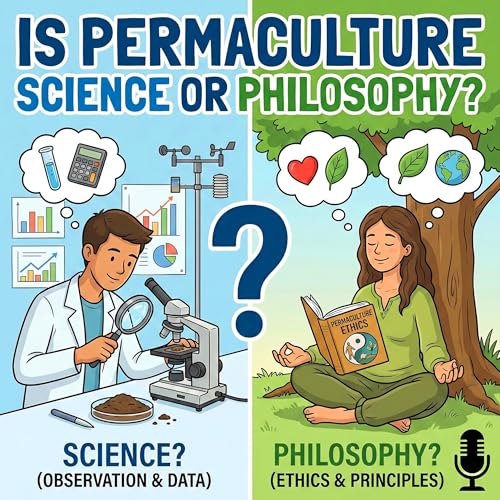 Feb 14 202619 min
Impossible d'ajouter des articles
Désolé, nous ne sommes pas en mesure d'ajouter l'article car votre panier est déjà plein.Veuillez réessayer plus tardVeuillez réessayer plus tardÉchec de l’élimination de la liste d'envies.
Veuillez réessayer plus tardImpossible de suivre le podcast
Impossible de ne plus suivre le podcast
Aucun commentaire pour le moment


