Épisodes

  • Why TikTok Gardening Advice Is So Conflicting
    Feb 16 2026

    This Episode analyze the intersection of horticultural practices and digital media trends, with a particular focus on the influence of TikTok on modern gardening. Expert contributors evaluate popular "hacks"—such as using banana peels as fertilizer or volcano mulching—to distinguish between scientifically sound advice and harmful misinformation. The collective text addresses the TikTok algorithm's role in promoting viral but often oversimplified content, contrasting this with research-backed guidance from Extension services and experienced botanists. Additionally, the materials cover technical aspects of social media marketing, including affiliate commissions and content creator strategies within the platform's e-commerce ecosystem. By examining specific plant care issues like drainage, pruning, and soil health, the sources provide a comprehensive look at how gardeners can navigate a landscape filled with both innovation and myths.

    Afficher plus Afficher moins
    15 min
  • Are Coffee Grounds Good for Plants or Not?
    Feb 15 2026

    This Episode examine the diverse impacts of repurposing coffee grounds in gardening, agriculture, and waste management. While grounds provide essential nutrients like nitrogen and attract beneficial earthworms, they can be harmful to acid-sensitive plants, seeds, and young seedlings due to residual caffeine. Research highlights caffeine’s allelopathic properties, which can inhibit the growth of certain weeds and pathogens but may also disrupt soil bacteria and prove toxic to pets. Experts generally recommend composting grounds before use to stabilize pH levels and reduce chemical intensity. Furthermore, the text explores specialized applications, such as using grounds to foster predatory fungi or as a substrate for edible mushroom cultivation. Individual gardening experiences emphasize that while coffee waste is a valuable organic resource, its effectiveness depends on the specific needs of the local ecosystem.

    Afficher plus Afficher moins
    13 min
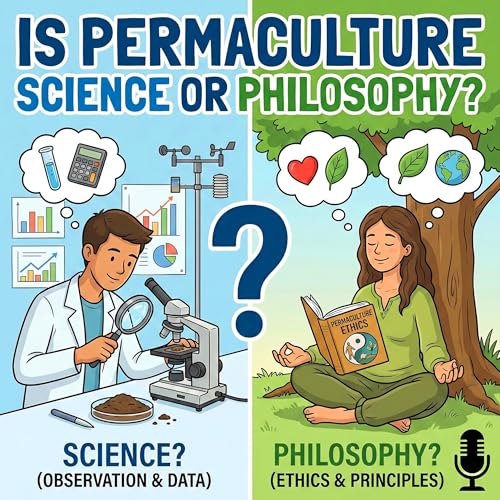
  • Is Permaculture Science or Philosophy?
    Feb 14 2026

    This Episode collectively explore permaculture and social ecology as holistic frameworks for designing sustainable, resilient human habitats by imitating natural ecosystems. The texts outline core methodologies such as forest gardening, water harvesting, and soil building through techniques like sheet mulching and hugelkultur. Beyond practical gardening, the authors examine the scientific evidence and philosophical foundations of these systems, connecting them to concepts of agroecology and dialectical naturalism. They emphasize a move away from industrial agriculture toward polycultures and integrated designs that favor renewable resources and biological diversity. Furthermore, the documents address the economic and social dimensions of ecological living, advocating for community-based land use and a shift in labor perspective from passive consumption to active, regenerative production. Ultimately, the sources present a vision of a harmonious relationship between humanity and the environment, mediated by observation, ethical design, and systemic thinking.

    Afficher plus Afficher moins
    19 min
  • No-Dig Gardening: Miracle or Marketing?
    Feb 13 2026

    This episode examine the no-dig gardening method, an approach that prioritizes soil health and minimal disturbance over traditional tilling. Proponents like Charles Dowding and Ruth Stout argue that applying organic mulch or compost directly onto the surface preserves fungal networks and beneficial organisms, leading to higher yields and fewer weeds. While the technique offers climate resilience and labor savings, some growers note challenges such as waterlogged soil, the high cost of quality compost, and the difficulty of managing perennial weeds. Scientific perspectives further support these methods by highlighting their role in carbon sequestration and the protection of the soil microbiome. Additionally, the materials address the growing commercial interest in regenerative practices and the rise of influencer marketing within the gardening industry. Together, the texts provide a comprehensive look at how sustainable cultivation balances ecological benefits with practical management hurdles.

    Afficher plus Afficher moins
    18 min
  • Why Fungal Diseases Spread So Fast?
    Feb 12 2026

    This Episode examine the growing global threat of fungal pathogens to human, animal, and plant health within the context of globalization and climate change. Rapid environmental shifts and international trade facilitate the spread of invasive species, such as the multidrug-resistant Candida auris and virulent wheat stem rust. The texts highlight how antifungal resistance is exacerbated by the overlapping use of similar chemical treatments in both clinical and agricultural settings. To mitigate these risks, researchers advocate for the One Health approach, which integrates human, veterinary, and environmental monitoring. Innovative solutions discussed include genetic diversity exploitation, advanced air-sampling technologies, and novel biocontrol agents like antifungal proteins and RNA interference. Ultimately, the collection emphasizes that early detection systems and international cooperation are vital to safeguarding global food security and public health.

    Afficher plus Afficher moins
    16 min
  • Is “Companion Planting” Actually Real or a Myth?
    Feb 11 2026

    Companion planting is a multifaceted agricultural strategy that utilizes beneficial plant relationships to enhance crop health, manage pests, and maximize space. These sources evaluate the practice from both scientific and traditional perspectives, highlighting mechanisms such as nitrogen fixation, weed suppression through allelopathy, and pest disruption via aromatic masking or trap cropping. While historical systems like the Three Sisters (corn, beans, and squash) demonstrate cultural and land-use efficiency, researchers emphasize that inter-species competition for light and nutrients can sometimes reduce individual crop yields. Evidence suggests that while some pairings successfully recruit natural predators or improve soil structure, many popular "companion charts" lack rigorous empirical support. Consequently, experts advise gardeners to prioritize scientifically sound methods, such as considering root depth and growth habits, over myth-based folklore to ensure a productive and sustainable ecosystem.

    Afficher plus Afficher moins
    15 min
  • Neem Oil, Soap Sprays, and Myths About Natural Pest Control
    Feb 10 2026

    This Episode evaluate various organic gardening methods and pest control strategies, frequently distinguishing between scientific evidence and popular myths. While items like eggshells, banana peels, and Epsom salts are often cited as home remedies, the texts clarify that these require significant decomposition time or specific nutrient deficiencies to be truly effective. The research also highlights the complexities of neem oil, noting its benefits as a biodegradable pesticide alongside its potential to harm pollinators and soil microbes. Other "less toxic" options such as insecticidal soaps, Bt, and kaolin clay are presented as viable tools within an Integrated Pest Management framework. Ultimately, the documentation emphasizes that natural does not always mean safe, urging gardeners to prioritize label instructions and healthy soil over miracle cures.

    Afficher plus Afficher moins
    12 min
  • Why Bugs Keep Eating Your Plants
    Feb 9 2026

    This Episode outline various botanical challenges and management strategies, with a significant focus on pest control and plant health. Scientific papers and educational guides explore the complex biology of aphids, detailing their unique reproductive cycles and the chemical signals plants use to communicate stress. Gardeners can find practical advice on identifying and deterring common threats like Japanese beetles, spider mites, and slugs, including debates over the effectiveness of copper barriers. The texts highlight natural solutions, such as attracting beneficial predators like lacewings and birds to maintain ecological balance. Furthermore, the role of environmental factors such as light, temperature, and nutrition is examined to explain how they influence growth and resistance. Overall, these materials serve as a comprehensive resource for integrating scientific understanding with sustainable horticultural practices.

    Afficher plus Afficher moins
    18 min