


The Bill Board, a Numismatic Journey with Banknotes
Impossible d'ajouter des articles
Désolé, nous ne sommes pas en mesure d'ajouter l'article car votre panier est déjà plein.
Veuillez réessayer plus tard
Veuillez réessayer plus tard
Échec de l’élimination de la liste d'envies.
Veuillez réessayer plus tard
Impossible de suivre le podcast
Impossible de ne plus suivre le podcast

The Bill Board, a Numismatic Journey with Banknotes
-
Lu par :
-
De :
-
Tim Baker
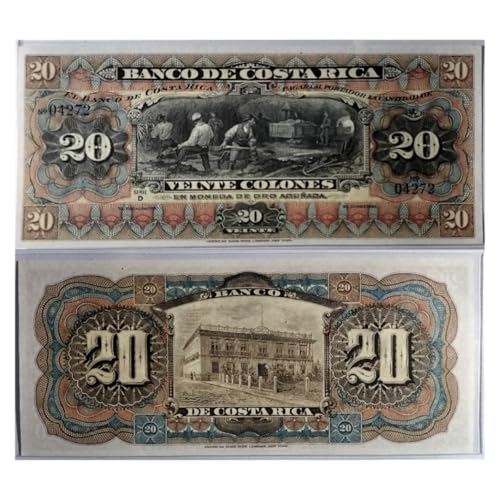
We will explore a wide number of topics, all dealing with banknotes. For individual banknotes, we will explore the history around the issuance of the banknote, including the series it belongs to, the images on the obverse and reverse, and their history, social, and numismatic implications. We will review all the key numismatic information, including the security details, the composition, serial and other identification numbers, and the latest market information. The goal is to appreciate what each banknote means and represents, not just the collecting value.
Épisodes
-
 26 min
Impossible d'ajouter des articles
Désolé, nous ne sommes pas en mesure d'ajouter l'article car votre panier est déjà plein.Veuillez réessayer plus tardVeuillez réessayer plus tardÉchec de l’élimination de la liste d'envies.
Veuillez réessayer plus tardImpossible de suivre le podcast
Impossible de ne plus suivre le podcast
-
 25 min
Impossible d'ajouter des articles
Désolé, nous ne sommes pas en mesure d'ajouter l'article car votre panier est déjà plein.Veuillez réessayer plus tardVeuillez réessayer plus tardÉchec de l’élimination de la liste d'envies.
Veuillez réessayer plus tardImpossible de suivre le podcast
Impossible de ne plus suivre le podcast
-
 23 min
Impossible d'ajouter des articles
Désolé, nous ne sommes pas en mesure d'ajouter l'article car votre panier est déjà plein.Veuillez réessayer plus tardVeuillez réessayer plus tardÉchec de l’élimination de la liste d'envies.
Veuillez réessayer plus tardImpossible de suivre le podcast
Impossible de ne plus suivre le podcast
adbl_web_anon_alc_button_suppression_t1
Aucun commentaire pour le moment


