

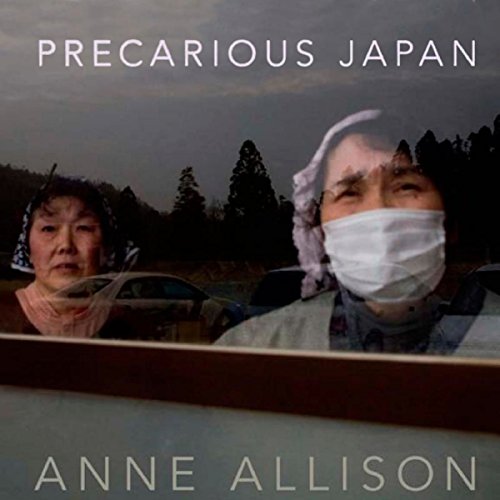
Precarious Japan
Impossible d'ajouter des articles
Échec de l’élimination de la liste d'envies.
Impossible de suivre le podcast
Impossible de ne plus suivre le podcast
Bénéficiez gratuitement de Standard pendant 30 jours

Precarious Japan
Acheter pour 17,99 €
-
Lu par :
-
Colleen Patrick
-
De :
-
Anne Allison
In an era of irregular labor, nagging recession, nuclear contamination, and a shrinking population, Japan is facing precarious times. How the Japanese experience insecurity in their daily and social lives is the subject of Precarious Japan. Tacking between the structural conditions of socioeconomic life and the ways people are making do, or not, Anne Allison chronicles the loss of home affecting many Japanese, not only in the literal sense but also in the figurative sense of not belonging. Until the collapse of Japan's economic bubble in 1991, lifelong employment and a secure income were within reach of most Japanese men, enabling them to maintain their families in a comfortable middle-class lifestyle. Now, as fewer and fewer people are able to find full-time work, hope turns to hopelessness and security gives way to a pervasive unease. Yet some Japanese are getting by, partly by reconceiving notions of home, family, and togetherness.
©2013 Duke University Press (P)2014 Redwood Audiobooks


