Overview: Pride and Prejudice by Jane AustenPride and Prejudice (1813) is Jane Austen's most famous novel and a masterpiece of English literature. Written as a "novel of manners," it uses sharp wit, satire, and sparkling dialogue to explore the social and economic realities of the Georgian-era English gentry, ultimately delivering one of the most beloved romances in literary history.The PremiseThe story follows the Bennet family, which includes five unmarried daughters with no inherited fortune. Because their father's estate is entailed to a distant male cousin, the daughters must marry well to secure their financial futures. The arrival of a wealthy, eligible bachelor in their rural neighborhood throws the family into a frenzy of courtship, but the narrative focuses on the turbulent relationship between the independent, quick-witted second daughter, Elizabeth, and a wealthy, aloof aristocrat, Mr. Darcy.Key CharactersElizabeth Bennet: The protagonist. She is highly intelligent, fiercely independent, and possesses a sharp wit. While observant, her fatal flaw is her tendency to make hasty, stubborn judgments (her "prejudice").Fitzwilliam Darcy: A massively wealthy, aristocratic landowner. He is fiercely loyal to his loved ones and highly principled, but his initial awkwardness, strict adherence to class divisions, and perceived arrogance make him appear deeply unlikable (his "pride").Jane Bennet: Elizabeth’s beautiful, universally beloved older sister. She sees the best in everyone, sometimes to a fault.Charles Bingley: Darcy’s best friend. He is wealthy, amiable, open-hearted, and immediately taken with Jane Bennet.George Wickham: A handsome, deeply charming militia officer who shares a dark, hidden past with Mr. Darcy.Mr. and Mrs. Bennet: Elizabeth’s parents. Mr. Bennet is a sarcastic, detached intellectual who retreats from his family's chaos, while Mrs. Bennet is a frivolous, frantic woman entirely consumed by the desperate need to marry off her daughters.Plot SummaryThe quiet country village of Longbourn is energized when the wealthy Mr. Bingley rents the nearby Netherfield estate. At a local ball, Bingley is immediately captivated by Jane Bennet. However, his friend, Mr. Darcy, refuses to dance with Elizabeth, declaring her "tolerable, but not handsome enough to tempt me." Elizabeth overhears this and instantly forms a deep-seated prejudice against him.Her dislike is cemented when she befriends the charming George Wickham, who claims Darcy cruelly cheated him out of his rightful inheritance. Meanwhile, Darcy finds himself increasingly drawn to Elizabeth’s sharp mind and lively spirit, but he is appalled by her family's lack of wealth and Mrs. Bennet's embarrassing lack of social decorum. Believing Jane does not truly love Bingley, and wishing to save his friend from an unequal match, Darcy intervenes and convinces Bingley to leave for London.Months later, Darcy unexpectedly proposes to Elizabeth, but does so in an insulting manner, focusing heavily on her inferior social rank. Furious over his treatment of Jane and Wickham, Elizabeth rejects him emphatically. In response, Darcy writes her a letter explaining his actions: he reveals that Wickham is a degenerate gambler who attempted to elope with Darcy's teenage sister for her fortune, and he admits his mistake in separating Jane and Bingley.The letter forces Elizabeth to reevaluate her prejudices. Her feelings truly shift when she visits Pemberley, Darcy's magnificent estate, and hears his servants speak of his profound kindness and generosity. However, disaster strikes when Elizabeth's youngest sister, Lydia, carelessly elopes with Wickham, threatening the entire Bennet family with social ruin. Without taking any credit, Darcy tracks them down, pays Wickham's massive debts, and essentially bribes him into marrying Lydia to save the Bennets' reputation. When Elizabeth discovers what he has done, she realizes she loves him. Bingley returns to propose to Jane, and Darcy proposes to Elizabeth a second time. Having both overcome their respective pride and prejudice, she joyfully accepts.Thematic AnalysisMarriage and Economics: Austen highlights the stark reality for women in the 19th century: marriage was rarely just about love; it was a harsh economic necessity. The novel contrasts disastrous marriages based on physical attraction or financial desperation with the ideal, equal partnership of Elizabeth and Darcy.Class and Social Standing: The novel critiques the rigid class lines of the era. Austen mocks the snobbery of the ultra-rich while also criticizing the vulgarity of the lower gentry, ultimately arguing that true nobility comes from an individual's manners, honor, and character rather than their inherited title.Self-Knowledge and Judgment: The journey of both protagonists is one of intense self-reflection. Elizabeth must learn that her initial impressions are flawed and her "cleverness" can blind her to the truth. Darcy must learn that ...
Afficher plus
Afficher moins


 8 h et 6 min
 3 h et 8 min
 4 h et 57 min
 6 h et 19 min
 4 h et 55 min
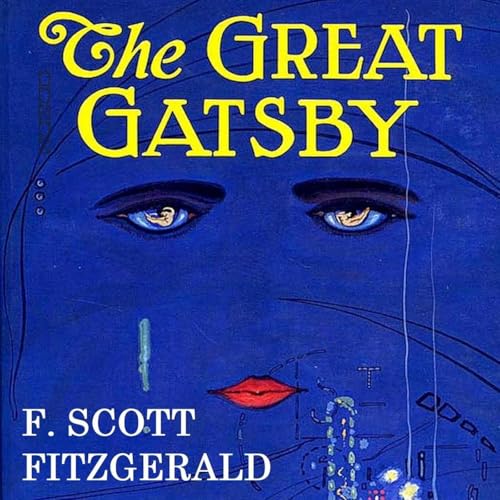 4 h et 45 min
 2 h et 20 min