

When Changing Course Feels Like Failure
Impossible d'ajouter des articles
Échec de l’élimination de la liste d'envies.
Impossible de suivre le podcast
Impossible de ne plus suivre le podcast

When Changing Course Feels Like Failure
-
Lu par :
-
De :
À propos de ce contenu audio
Join our FREE Decision Pause Newsletter here: https://decisionpause.com/subscribe-form/
Episode DescriptionMany parents of neurodivergent children reach a moment when changing plans starts to feel like personal failure.
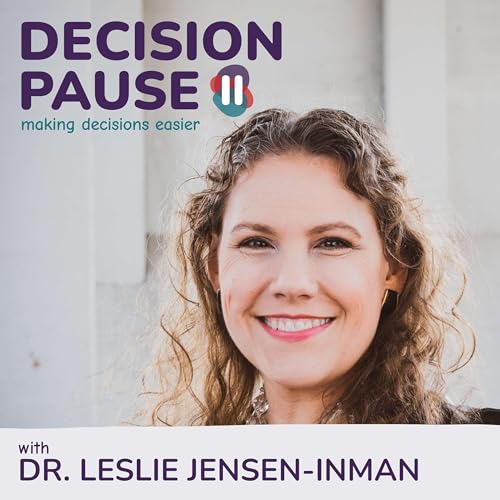
In this episode of Decision Pause, Dr. Leslie Jensen-Inman talks about why that feeling shows up so strongly—and why it doesn’t mean you were wrong, careless, or inconsistent.
This conversation is about non-linear development, shifting capacity, quiet grief, and why responsiveness is not the same thing as giving up.
What This Episode Explores- Why changing course can feel like admitting defeat
- How repeated re-decisions can quietly erode parental confidence
- The myth that “good decisions” never need revision
- Why neurodivergent development is inherently non-linear
- The grief parents carry when something hoped-for doesn’t work
- How to reframe “failure” as information and learning
Why This Feels So Heavy
Parents often do everything “right”:
they research, consult professionals, prepare their child, and brace themselves—
only to discover that something doesn’t work, stops working, or costs more than expected.
When that happens, many parents start telling themselves stories like:
- I should have known better.
- We wasted time or energy.
- I set my child back.
But decisions made without guaranteed outcomes are not failures when they need revision.
A Helpful ReframeInstead of asking:
“Why didn’t this work?”
Try asking:
“What did this teach us?”
Sometimes the answer is:
- Our capacity was lower than we thought
- The timing wasn’t right
- This support didn’t match our child’s needs
Learning doesn’t require success to be valid.
An Important ReminderStaying with something that causes harm is not perseverance.
Stopping, pausing, or choosing differently can be a protective decision—not a reactive one.
Changing course doesn’t mean you were wrong before.
It often means conditions have changed.
Gentle TakeawayYou are not failing because something didn’t work.
You are responding to new information.
And responding to new information is one of the most responsible things a parent can do.
Coming Up NextIn the next episode, we’ll talk about capacity—and why low capacity is so often mistaken for lack of character.
Until then, if you’re worn down from having to change course again, see if you can meet yourself with a little compassion. You deserve it.
This has been Decision Pause.
Thank you for listening—and we’ll pause again next time.

Vous êtes membre Amazon Prime ?
Bénéficiez automatiquement de 2 livres audio offerts.Bonne écoute !


