Couverture de What I Wish I Knew: A Cancer Podcast

What I Wish I Knew: A Cancer Podcast

What I Wish I Knew: A Cancer Podcast

De : McKenna Avery
Écouter gratuitement

À propos de ce contenu audio

A cancer diagnosis can turn life into a blur of appointments, opinions, and unanswered questions. What I Wish I Knew is the podcast that slows it all down and brings you the conversations people deserve to hear sooner.

Hosted by Dr. Dan Sullivan and McKenna Avery (cancer survivor), each episode features candid, compassionate interviews with leading medical experts, professors, researchers, practitioners, advocates, and survivors across the entire cancer landscape. Together, we explore what’s rarely explained clearly, from treatment and side effects to recovery and survivorship, mind-body health, nutrition, relationships, intimacy, and the emotional and spiritual terrain that comes with healing.

Whether you’re newly diagnosed, in treatment, post-treatment, supporting someone you love, or simply looking for trustworthy insight, this show is here to help you feel informed, supported, and less alone.

Educational content only. Not medical advice. Always consult your healthcare team for personal guidance.

All rights reserved.

Hygiène et vie saine Maladie et pathologies physiques Psychologie Psychologie et psychiatrie
Les membres Amazon Prime bénéficient automatiquement de 2 livres audio offerts chez Audible.

Vous êtes membre Amazon Prime ?

Bénéficiez automatiquement de 2 livres audio offerts.
Bonne écoute !
    Épisodes
    • The Hidden Cost of Cancer
      Jan 27 2026

      Cancer costs can lead to financial toxicity—and that can change care. In this episode of What I Wish I Knew: A Cancer Podcast, McKenna talks with Dr. Mateo Banegas about why cancer is so financially overwhelming and what patients and families can do early to reduce the burden.

      Dr. Banegas discusses how “financial toxicity” became a recognized part of oncology, and why it matters just as much as physical side effects. You’ll also hear real examples of how costs can lead people to stretch medications, skip care, or choose a different treatment path simply because of affordability.

      Afficher plus Afficher moins
      1 h et 49 min
    • Fertility After Cancer
      Jan 13 2026

      Fertility specialist Sandy Chuan, MD explains how cancer treatment can affect fertility and what preservation options exist for women and men, including timelines, egg vs embryo freezing, sperm banking, and the real IVF “attrition” math. Educational only, not medical advice.

      Afficher plus Afficher moins
      1 h et 58 min
    • Proton Therapy vs X-Ray Radiation
      Dec 30 2025

      Radiation can be one of the scariest words you hear after a cancer diagnosis. In this episode of What I Wish I Knew, host and cancer survivor McKenna Avery shares what it felt like to finish 33 rounds of proton radiation, including the emotional “last day” moment, and the three things she wishes she knew sooner: that proton therapy can be an option, the power of visualization during treatment, and why consistent moisturizing matters.


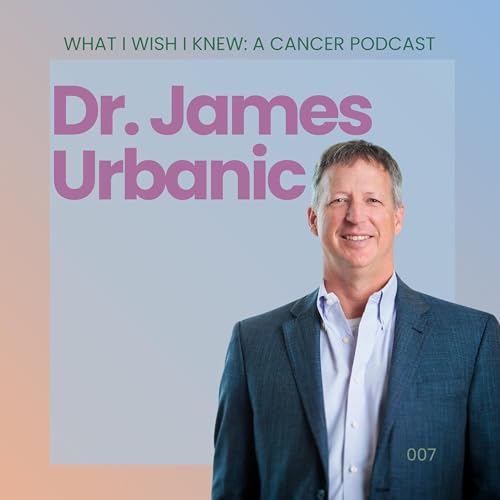
      Dr. Dan sits down with radiation oncologist Dr. James Urbanic (UC San Diego) for a grounded, patient-first explanation of radiation therapy and the real-world decision-making behind it. They break down the goals of treatment (symptom relief, life prolongation, post-surgery “cleanup,” and curative intent), why some cancers are treated with radiation to preserve function (including larynx/voice box, cervix, and anal cancers), and how the field has advanced with better imaging, tighter accuracy, and faster planning.


      You’ll also hear a clear, non-hype comparison of proton therapy vs conventional X-ray (photon) radiation, including the Bragg peak, why “best” depends on the situation, and how technique differs from modality (3D conformal, IMRT/IMPT, SBRT, SRS). Dr. Urbanic walks through what planning day looks like (CT imaging, immobilization devices, contrast considerations, and behind-the-scenes safety checks), what side effects can look like across body areas (including skin reactions and why proton skin reactions may be more pronounced), how clinicians think about re-irradiation, and where immunotherapy may or may not fit alongside radiation. The conversation also touches on cost, insurance authorization realities, access gaps, and what patients should listen for when deciding if a care team feels trustworthy and thorough. This conversation is for patients, survivors, caregivers, and clinicians seeking clarity, not marketing. Educational only, not medical advice.


      Episode Chapters:

      00:00:00 - Cold Open: Progress, Immunity, and Hope

      00:00:29 - Welcome + McKenna’s Proton Radiation Story

      00:01:06 - Three Things McKenna Wishes She Knew About Proton Therapy

      00:02:03 - Meet Dr. James Urbanic

      00:02:51 - From Ships to Cancer Care: Dr. Urbanic’s Path

      00:05:31 - Radiation Therapy Basics Explained

      00:07:22 - The Goals of Radiation Treatment

      00:09:00 - When Radiation Replaces Surgery

      00:10:48 - How Radiation Therapy Has Evolved

      00:13:30 - When Patients Want to “Go Natural”

      00:18:25 - Radiation Myths, Safety, and Trust

      00:21:46 - What Is Proton Therapy?

      00:26:41 - Who Proton Therapy Helps Most

      00:32:39 - Cost, Coverage, and Insurance for Proton Therapy

      00:40:27 - Proton Therapy Hype vs Reality

      00:42:39 - SBRT, SRS, and Modern Radiation Techniques

      00:50:30 - Immunotherapy and Radiation Used Together

      01:01:54 - What Happens on Radiation Planning Day

      01:06:15 - AI and Machine Learning in Radiation Planning

      01:11:52 - What Treatment Looks Like Behind the Scenes

      01:21:03 - Radiation Side Effects: Short-Term and Long-Term

      01:24:25 - Re-Irradiation: When and Why It’s Considered

      01:31:28 - Diet, Exercise, and Mind-Body Support During Treatment

      01:38:46 - The Future of Radiation: New Particles, New Questions

      01:43:23 - Access, Geography, and Proton Center Availability

      01:48:18 - Questions Every Patient Should Ask

      01:50:40 - Resilience, Meaning, and Joy in the Work


      Disclaimer:

      This episode is for general educational purposes and reflects personal experiences and professional perspectives. It is not medical advice and is not a substitute for individualized diagnosis or treatment planning. Always consult your oncology team for guidance specific to your situation. If you think you may be experiencing an urgent medical issue, seek immediate care.

      Afficher plus Afficher moins
      2 h
    Aucun commentaire pour le moment