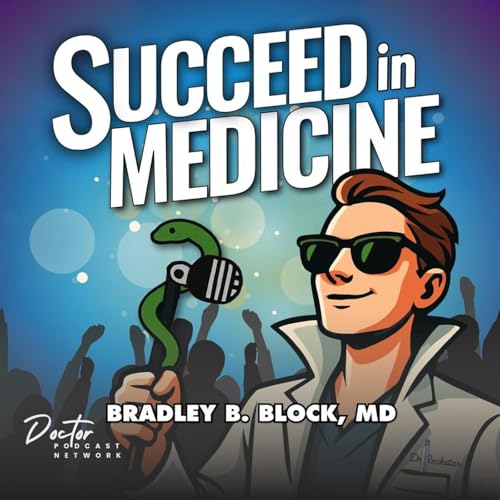
Couverture de Succeed in Medicine: Practical Insights for Practicing Physicians

Succeed in Medicine: Practical Insights for Practicing Physicians

Succeed in Medicine: Practical Insights for Practicing Physicians

De : Bradley B. Block MD Doctor Podcast Network
Écouter gratuitement

3 mois pour 0,99 €/mois

Après 3 mois, 9.95 €/mois. Offre soumise à conditions.

À propos de ce contenu audio

Was your medical education enough to handle everything physician life demands? From lawsuits to leadership, career decisions to challenging conversations, balancing the personal with the professional — not enough was addressed in medical school, residency or fellowship. This medical podcast fills those gaps so you can live up to the expectations that come with the white coat — not just in the exam room, but in all the places your MD follows you. This show is the physician mentor you didn’t realize you needed. Your host, Dr. Bradley Block, a private practice ENT, is right there with you — navigating the same challenges and bringing in world-class guests to teach, as he puts it, “everything we should have been learning while we were memorizing Kreb’s cycle.” With nearly 500 episodes and close to half a million downloads, Brad has built a trusted space where physicians come for brass-tacks, immediately-applicable advice. You don’t need another certification. You need a medical podcast that can be your physician mentor. It covers interpersonal skills, medical education, doctor personal finance, doctor charting, doctor careers, doctor mental health, physician soft skills, physician parenting, physician executive skills, medical decision making, medical professional development, physician side gigs, main gigs, reacting to bad reviews, misinformation, social media, negotiating and what to do when someone yells, “Is there a doctor on board?” Guests have included Lady Glaucomflecken Kristen Flanary, Matt Abrahams, PhD, Gita Pensa, MD, Nneka Unachukwu, MD, (Dr. Una) Amy Fogelman, MD, and Bapu Jena, MD, PhD. A proud founding member of the Doctor Podcast Network!Copyright 2018-2025, all rights reserved, Bradley B. Block, MD Développement personnel Economie Hygiène et vie saine Maladie et pathologies physiques Réussite personnelle
Les membres Amazon Prime bénéficient automatiquement de 2 livres audio offerts chez Audible.

Vous êtes membre Amazon Prime ?

Bénéficiez automatiquement de 2 livres audio offerts.
Bonne écoute !
    Épisodes
    • GLP-1 Agonists: Separating Fact from Fiction with Sean Wharton, MD, PharmD, Part 2| Ep502
      Jan 27 2026
      Could medications originally designed for diabetes actually help treat addiction, eating disorders, and the biology of cravings?In this part 2 of 2-part episode of Succeed In Medicine Podcast, Dr. Bradley Block sits down with Dr. Sean Wharton, to dig deeper into the science, myths, and emerging uses of GLP-1 agonists. Dr. Wharton explains that these medications don’t simply reduce appetite, they calm what he calls “food noise,” the constant mental pull toward eating that many people with obesity experience. This neurological effect has opened the door to exciting possibilities: early research suggests GLP-1 drugs may also reduce cravings for alcohol and other addictive behaviors. Dr. Wharton also clarifies the confusing world of brand names. Ozempic and Wegovy are both semaglutide; Mounjaro and Zepbound are tirzepatide. The differences are largely about FDA indications and insurance coverage, not completely different medications.The episode tackles common fears patients and clinicians hear every day. Do these medications cause eating disorders? No, in fact, they may help treat them. Are the side effects dangerous? Usually not, and most are manageable with proper dosing. Is “Ozempic face” real? It’s simply normal fat loss, not a drug-specific problem. Most importantly, Dr. Wharton reinforces a compassionate, evidence-based message: obesity is a chronic, biological disease, and GLP-1 medications are tools to treat it, just like medications for blood pressure or diabetes.Three Actionable TakeawaysGLP-1 Medications Affect the Brain as Much as the Stomach: These drugs reduce “food noise” and cravings, helping patients regain control over eating behaviors. Their impact is neurological, not simply about willpower or restriction.Side Effects Are Real—but Usually Manageable: Nausea, constipation, and GI symptoms are the most common issues, especially early on. Starting low and increasing doses slowly makes treatment far more tolerable.Treatment Decisions Should Be Individualized: Not every patient must stay on these medications forever. Conversations about duration, goals, and expectations should be collaborative and tailored to each person.About the Show:Succeed In Medicine covers patient interactions, burnout, career growth, personal finance, and more. If you're tired of dull medical lectures, tune in for real-world lessons we should have learned in med school!About the Guest:Dr. Sean Wharton holds doctorates in Pharmacy and Medicine from the University of Toronto. He is the Director of the Wharton Medical Clinic, a community-based weight management and diabetes clinic, and serves as Assistant Professor at the University of Toronto and Adjunct Professor at McMaster and York Universities.Dr. Wharton is the lead author of the 2020 Canadian Obesity Guidelines, recognized worldwide, and has published extensively in major medical journals including the New England Journal of Medicine. He is a passionate advocate for health equity and improving the way obesity is understood and treated in healthcare.LinkedIn: linkedin.com/in/drseanwhartonWebsite: whartonmedicalclinic.comAbout the Host:Dr. Bradley Block – Dr. Bradley Block is a board-certified otolaryngologist at ENT and Allergy Associates in Garden City, NY. He specializes in adult and pediatric ENT, with interests in sinusitis and obstructive sleep apnea. Dr. Block also hosts Succeed In Medicine podcast, focusing on personal and professional development for physiciansWant to be a guest?Email Brad at brad@physiciansguidetodoctoring.com or visit www.physiciansguidetodoctoring.com to learn more!Socials:@physiciansguidetodoctoring on Facebook@physicianguidetodoctoring on YouTube@physiciansguide on Instagram and Twitter This medical podcast is your physician mentor to fill the gaps in your medical education. We cover physician soft skills, charting, interpersonal skills, doctor finance, doctor mental health, medical decisions, physician parenting, physician executive skills, navigating your doctor career, and medical professional development. This is critical CME for physicians, but without the credits (yet). A proud founding member of the Doctor Podcast Network!Visit www.physiciansguidetodoctoring.com to connect, dive deeper, and keep the conversation going. Let’s grow! Disclaimer:This podcast is for informational purposes only and is not a substitute for professional medical, financial, or legal advice. Always consult a qualified professional for personalized guidance. Hosted by Simplecast, an AdsWizz company. See pcm.adswizz.com for information about our collection and use of personal data for advertising.
      Afficher plus Afficher moins
      24 min
    • GLP-1 Agonists: Separating Fact from Fiction with Sean Wharton, MD, PharmD, Part 1| Ep501
      Jan 20 2026
      Are GLP-1 medications truly revolutionizing medicine—or are we just seeing the latest healthcare hype cycle?In this part 1 of 2- part episode of Succeed In Medicine Podcast, Dr. Bradley Block sits down with Dr. Sean Wharton, to explore the real story behind GLP-1 agonists, how they were discovered, how they work, and why they suddenly became cultural blockbusters. Dr. Wharton explains that while the public sees these drugs as new, clinicians in diabetes care have been using them for over a decade. Originally developed to treat type 2 diabetes, GLP-1 medications revealed an unexpected benefit: meaningful weight loss. What began as a “sleeper drug” for glucose control became a global phenomenon once their impact on appetite and cravings was understood.A major theme of the discussion is the concept of “food noise”—the relentless mental pull toward food that many patients experience. Dr. Wharton describes how this biological drive makes long-term weight loss extraordinarily difficult and why willpower alone is rarely enough. GLP-1 medications work by quieting this food noise, helping patients regain control over their eating behaviors.The conversation also tackles tough questions clinicians and patients ask every day:Why do people need to stay on these medications long-term? Why do patients with diabetes lose less weight than those without? Is obesity truly a disease, and how should doctors talk about it? Are the benefits due to the drug itself or simply the weight loss? Dr. Wharton breaks down the biology of GLP-1 hormones, their role in insulin regulation and appetite control, and why these drugs have been such rare “unicorns” in medicine, highly effective with relatively few side effects.This episode sets the stage for Part 2, where they will dive deeper into myths, side effects, and practical prescribing guidance.Three Actionable TakeawaysObesity Is a Biological Disease, Not a Willpower Problem: Food noise and cravings are driven by hormones and brain chemistry. GLP-1 medications treat these biological mechanisms, not a character flaw.Long-Term Treatment Is Often Necessary: Just like medications for blood pressure or cholesterol, GLP-1 drugs address a chronic condition. Stopping treatment usually means the underlying biology—and weight—returns.Language Matters in Patient Care: Clinicians should approach weight with empathy and humility. Inviting patients into a respectful conversation about options is far more effective than blaming or shaming.About the Show:Succeed In Medicine covers patient interactions, burnout, career growth, personal finance, and more. If you're tired of dull medical lectures, tune in for real-world lessons we should have learned in med school!About the Guest:Dr. Sean Wharton holds doctorates in Pharmacy and Medicine from the University of Toronto. He is the Director of the Wharton Medical Clinic, a community-based weight management and diabetes clinic, and serves as Assistant Professor at the University of Toronto and Adjunct Professor at McMaster and York Universities.Dr. Wharton is the lead author of the 2020 Canadian Obesity Guidelines, recognized worldwide, and has published extensively in major medical journals including the New England Journal of Medicine. He is a passionate advocate for health equity and improving the way obesity is understood and treated in healthcare.LinkedIn: linkedin.com/in/drseanwhartonWebsite: whartonmedicalclinic.comAbout the Host:Dr. Bradley Block – Dr. Bradley Block is a board-certified otolaryngologist at ENT and Allergy Associates in Garden City, NY. He specializes in adult and pediatric ENT, with interests in sinusitis and obstructive sleep apnea. Dr. Block also hosts Succeed In Medicine podcast, focusing on personal and professional development for physiciansWant to be a guest?Email Brad at brad@physiciansguidetodoctoring.com or visit www.physiciansguidetodoctoring.com to learn more!Socials:@physiciansguidetodoctoring on Facebook@physicianguidetodoctoring on YouTube@physiciansguide on Instagram and Twitter This medical podcast is your physician mentor to fill the gaps in your medical education. We cover physician soft skills, charting, interpersonal skills, doctor finance, doctor mental health, medical decisions, physician parenting, physician executive skills, navigating your doctor career, and medical professional development. This is critical CME for physicians, but without the credits (yet). A proud founding member of the Doctor Podcast Network!Visit www.physiciansguidetodoctoring.com to connect, dive deeper, and keep the conversation going. Let’s grow! Disclaimer:This podcast is for informational purposes only and is not a substitute for professional medical, financial, or legal advice. Always consult a qualified professional for personalized guidance. Hosted by Simplecast, an AdsWizz company. See pcm.adswizz.com for information about our collection and use of personal data for advertising.
      Afficher plus Afficher moins
      29 min
    • How Physicians Survive Medical Mistakes without Losing Themselves, with Danielle Ofri, MD, PhD | Ep500
      Jan 13 2026
      This episode is sponsored by Lightstone DIRECT. Lightstone DIRECT invites you to partner with a $12B AUM real estate institution as you grow your portfolio. Access the same single-asset multifamily and industrial deals Lightstone pursues with its own capital – Lightstone co-invests a minimum of 20% in each deal alongside individual investors like you. You’re an institution. Time to invest like one.—---------------------------Join us for Doctor PodFest in Florida! Go here to secure your ticket: Here—---------------------------What if owning your medical mistakes could rebuild trust and prevent future harm?In this profound episode, Dr. Bradley Block sits down with Dr. Danielle Ofri, to explore the raw realities of errors in medicine. Sharing a vivid story from her residency, Dr. Ofri discusses why mistakes happen, the difference between guilt which drives improvement, and shame which paralyzes, and the power of genuine apologies. Ideal for physicians grappling with perfectionism, this conversation offers strategies for self-compassion, seeking mentors, and creating systems that support clinicians, helping you continue caring without being crushed by uncertainty.Three Actionable Takeaways:Distinguish Guilt from Shame: Guilt focuses on the error and motivates change e.g., "I forgot the long-acting insulin, next time I'll double-check protocols". Shame attacks your identity "I'm a bad doctor". Dr. Ofri advises recognizing this to avoid paralysis; practice by journaling an error's facts versus your emotional narrative, then discuss with a trusted colleague to reframe it productively.Bear Witness to Suffering: For patients and peers, simply listening and acknowledging pain builds trust, whether it's a patient's chronic illness story or a colleague's post-error distress. Try this: Next time a teammate struggles, offer a quick check-in like "Need a coffee break?" to foster community and remind them they're valued beyond one mistake.Deliver Genuine Apologies: Avoid passive language; own your role actively e.g., "I'm sorry my oversight contributed to this outcome, I've been reflecting deeply and changing my process". Patients value transparency and prevention steps; role-play with a mentor before tough talks to ensure honesty while consulting risk management for legal guidance.About the Show:Succeed In Medicine covers patient interactions, burnout, career growth, personal finance, and more. If you're tired of dull medical lectures, tune in for real-world lessons we should have learned in med school!About the Guest:Dr. Danielle Ofri is a primary care internist at Bellevue Hospital and clinical professor at NYU. She's a renowned writer on medical emotions for outlets like The New York Times and The New Yorker. Founder of Bellevue Literary Review, she's authored books like "What Doctors Feel" and "When We Do Harm," focusing on errors and humanity in medicine. Website: danielleofri.comAbout the Host:Dr. Bradley Block – Dr. Bradley Block is a board-certified otolaryngologist at ENT and Allergy Associates in Garden City, NY. He specializes in adult and pediatric ENT, with interests in sinusitis and obstructive sleep apnea. Dr. Block also hosts Succeed In Medicine podcast, focusing on personal and professional development for physiciansWant to be a guest?Email Brad at brad@physiciansguidetodoctoring.com or visit www.physiciansguidetodoctoring.com to learn more!Socials:@physiciansguidetodoctoring on Facebook@physicianguidetodoctoring on YouTube@physiciansguide on Instagram and Twitter This medical podcast is your physician mentor to fill the gaps in your medical education. We cover physician soft skills, charting, interpersonal skills, doctor finance, doctor mental health, medical decisions, physician parenting, physician executive skills, navigating your doctor career, and medical professional development. This is critical CME for physicians, but without the credits (yet). A proud founding member of the Doctor Podcast Network!Visit www.physiciansguidetodoctoring.com to connect, dive deeper, and keep the conversation going. Let’s grow! Disclaimer:This podcast is for informational purposes only and is not a substitute for professional medical, financial, or legal advice. Always consult a qualified professional for personalized guidance. Hosted by Simplecast, an AdsWizz company. See pcm.adswizz.com for information about our collection and use of personal data for advertising.
      Afficher plus Afficher moins
      41 min
    Aucun commentaire pour le moment