Épisodes

  • ONCE UPON A GENE- EPISODE #281: Making Memories: A Mom of a Daughter with Friedreich’s Ataxia on Last Steps, Make-A-Wish, and Not Letting the Future Steal the Day w/ Laurel Frost Coffey
    Oct 8 2026
    Laurel on Amelia, Friedrich’s Ataxia, and Choosing Joy in the Face of ProgressionLaurel shares her family’s experience raising Amelia, who was diagnosed with Friedrich’s ataxia at age 8 after early signs showed up around age 5. This conversation covers the path to diagnosis, the emotional reality of progressive illness, and how Laurel stays present with Amelia while making memories now.We discuss Laurel’s perspective as a mom, the impact on Amelia’s brothers, the role of community, and the hope she sees in current research and clinical trials. Effie Parks and Laurel also talk openly about grief, joy, sibling dynamics, and what it means to keep moving forward when the future feels uncertain.Key topics In this episode, Laurel introduces Amelia as a creative, funny, and spirited 10-year-old who lives with Friedrich’s ataxia and still brings a lot of joy into the family. Laurel walks through the early signs that something was wrong, from leg pain and exhaustion on a family trip to France to frequent falls, clumsiness, and coordination issues at school. She describes the diagnosis process: physical therapy noticing neurological symptoms like nystagmus, head tilt, scoliosis, and difficulty standing with eyes closed, followed by an ER visit and later genetic confirmation. We discuss the genetic side of Friedrich’s ataxia, including FXN gene mutations, GAA repeat expansions, and why early-onset cases like Amelia’s tend to progress much faster. Laurel shares the emotional weight of learning that both parents are carriers and that Amelia’s diagnosis is life shortening, which brought a deep grieving process for the future they expected. The conversation explores grief in waves and how Laurel experiences it in “installments” as Amelia loses abilities, while still trying not to get stuck in future fear. Laurel talks about staying present by focusing on Amelia herself, saying that time with her is the best therapy and the biggest source of joy. Effie and Laurel compare notes on parenting through disability, including the pain of seeing other kids move freely and the challenge of not letting comparison take over. They dig into one especially hard moment involving a denied disability pass for a Disney trip, which became a reminder that small logistical battles can hit harder than they seem. Laurel describes how she tries to make memories now, including a hand and footprint art project for Amelia’s “last steps,” and why she’s pushing to travel while Amelia can still navigate more easily. The episode highlights sibling dynamics, including the so-called glass child experience, how her two boys respond differently, and how Laurel tries not to turn them into caregivers. They close on hope, including community support, rare disease connection, a clinical trial Amelia is participating in, and the broader progress in research for FA. Stay present, not predictive Grief and joy can coexist Memory-making as resistance Community as therapy If you’re parenting through a rare or progressive diagnosis, look for community connection rather than carrying it alone. Make room for joy now, even if it feels awkward or premature. Capture moments while your child can still participate, whether that means travel, art, or simple family rituals. Be honest about sibling dynamics and protect children from unnecessary caregiving pressure. Timestamps00:00 - Warm welcome and catching up after Rare Disease Day Cruise 02:07 - Amelia’s upcoming Make-A-Wish trip to Santorini 03:20 - Who Amelia is and what Laurel wants listeners to know 04:03 - First signs something was wrong during a family trip to France 05:30 - School concerns, PT referral, and neurological symptoms 06:29 - ER visit and the first time they heard hereditary ataxias 07:48 - Genetic confirmation of Friedrich’s ataxia 08:16 - Processing a life shortening diagnosis 09:48 - Why children can be diagnosed with FA while many people meet adults with it first 10:06 - FXN gene, GAA repeats, and why early onset is more severe 11:27 - Grieving as the parent who knew Amelia before the diagnosis 13:00 - Grief in waves and “installment plan” losses 14:03 - Amelia’s personality and why the diagnosis has not fully hit her yet 15:02 - Watching other kids move and feeling the contrast 16:17 - Redirecting away from future fear 17:20 - Staying present with Amelia as the best way to find joy 18:18 - Signs of slipping into a harder grief day 19:08 - The Disney disability pass denial and why it hit so hard 21:39 - Making memories now while Amelia can still do more 23:06 - Amelia’s “last steps” art project and the emotion around it 25:08 - Where the artwork lives and sharing it with family 26:08 - Amelia’s creativity and the impact on her brothers 26:41 - The boys learning about FA and the family’s different sibling dynamics 27:30 - Balancing fairness, safety, and caregiving boundaries 31:13 - Why Laurel avoids making the younger son a caregiver 33:16 - What ...
    Afficher plus Afficher moins
    39 min
  • ONCE UPON A GENE- EPISODE #280: Comparing Our Kids: Guilt, Milestones, and Connection in Rare Disease Parenting
    Oct 1 2026
    Have you ever celebrated another child’s milestone while quietly wondering why your own child hasn’t reached it? Or caught yourself thinking, “Their kid can walk, talk, and eat - why do they think this is so hard?” We don’t love admitting it. But maybe we could talk about it. In this Effisode, I’m brainstorming about comparison in parenting our kids with disabilities, including my own moments of seeing other children with CTNNB1 syndrome reach milestones and wondering whether I missed something with Ford. I know how much I’ve poured into supporting him. And yet, sometimes that little voice still asks, “Did I do enough?” I explore how comparison slips into guilt and shame, why it can hit harder when we’re tired or overwhelmed, and how it creates silence within the very communities we turn to for connection. Some families hesitate to share their hardest days. Others hold back their good news.
    Afficher plus Afficher moins
    22 min
  • ONCE UPON A GENE- EPISODE 279: Falling Into Place: A Pocket Bible of Wisdom from the Colorado Mama Tribe
    Sep 24 2026
    Colorado Mama Tribe invited me out to talk about storytelling. What I found was even more than I had hoped for. They did it. They figured it out - at least some of it. And what hasn’t been solved yet already has bones. That’s the falling into place. Not one perfect click. More like dominoes. One mama tells the truth. The next one doesn’t have to start from nothing. The piece that was missing finds the piece that was waiting, and suddenly the whole line can move. Little bites from the women in that room, recorded and stitched together as a memento for them and a field guide for anyone who needs one. Think of it as a pocket bible of mama wisdom: the advice they wish they’d heard sooner, the lines they keep repeating to each other, the stuff that only lands when it comes from someone who’s lived it. You’re not alone. A tribe can be built wherever you are. It takes work. It’s worth it. Thank you, Colorado Mama Tribe, for letting me see what falling into place can look like for all of us.
    Afficher plus Afficher moins
    34 min
  • ONCE UPON A GENE –EPISODE 278: His Son Was Diagnosed with Congenital Adrenal Hyperplasia (CAH) — A Dad’s Honest Story of Overwhelm, Faith, and Finding Hope Through Treatment w/ Matt Abernethy
    Jul 9 2026
    Effie welcomes Matt Abernethy, a father and biotech executive whose story feels almost too perfectly timed to be real. Matt’s youngest son, Ian (now 13), was diagnosed with classic congenital adrenal hyperplasia (CAH) at age two. While navigating the overwhelm, fear, and daily stress of managing a rare disease, Matt received a cold recruiter call for a CFO role at Neurocrine Biosciences — a company actively developing a treatment for CAH. He and his wife Brittany made the leap of faith, moving their family from Indiana to San Diego. Matt kept his personal connection private for years so he could lead objectively. Eventually, he shared his story in an emotional all-company meeting. Ian later became the first patient to receive the newly approved medication. Matt opens up about being a “dadvocate,” the role of faith through the hardest times, what he would tell his overwhelmed past self, the importance of seeking expert care, and communicating with your spouse. It’s a powerful, hope-filled conversation about divine timing, resilience, and the human side of drug development.
    Afficher plus Afficher moins
    37 min
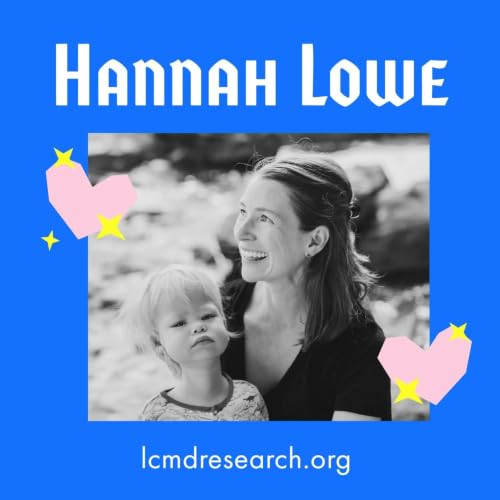
  • ONCE UPON A GENE – EPISODE 277: A Mother’s Son Was Diagnosed with the Rare, Debilitating Disease LMNA-Related Congenital Muscular Dystrophy (L-CMD) — A Mother’s Story of DNR Orders and How Those Decisions Change Over Time with Hannah Lowe
    Jul 2 2026
    Hannah Lowe is back on the show. In this episode, Effie and Hannah discuss do not resuscitate orders for children with rare diseases. Hannah shares her experience with her son Austin and how the conversation around DNRs came up for their family. They talk about the decision-making process, how feelings around these choices can change over time, and why these conversations matter in the rare disease community. The episode also touches on planning ahead, the emotional side of these decisions, and the importance of having these talks before a crisis hits. In this episode: Hannah’s update on Austin and the L-CMD Research Foundation How the DNR conversation first came up for their family The personal and practical side of these decisions Why more open discussion is needed in the community Links: Hannah’s first appearance on the show (Episode 108): effieparks.com/podcast/episode-108-hannah-lowe-lcmd-research-foundation L-CMD Research Foundation Instagram Listen now and subscribe for more conversations on rare disease life, advocacy, and family stories.
    Afficher plus Afficher moins
    41 min
  • ONCE UPON A GENE – EPISODE 276: His Two Sons Were Diagnosed with Coats Plus Syndrome — One Father’s Story of Rare Disease Advocacy and Brotherhood with Bryan Docobo
    Jun 11 2026
    Bryan Docobo — attorney, father, rare disease advocate, and founder of the Coats Plus Foundation. Bryan opens up about the devastating journey of losing his four-year-old son Ethan to Coats Plus Syndrome (a rare telomere disorder caused by a CTC1 gene mutation) in June 2024, while fiercely fighting for his older son Liam, who is also battling the same condition. Bryan shares the pre-diagnosis struggles, the shocking moment of Liam’s grand mal seizure that led to the diagnosis, the science behind the disease (telomere dysfunction affecting blood vessels, brain, eyes, and GI tract), and the proactive steps his family has taken. These include pushing for Avastin (anti-VEGF) treatment that has stopped brain calcifications and leukodystrophy progression in Liam, stem cell infusions showing clinical improvements, and an ambitious push for personalized gene therapy (requiring $3–5 million in funding).He also discusses the profound grief that transformed into purpose, including losing 80 pounds, deepening his spirituality, and founding the Luminary Tribe — a growing men’s support community in South Florida (with plans to expand) focused on vulnerability, connection, and helping high-achieving men show up stronger for their families. This episode is a masterclass in resilience, advocacy, fatherhood, and turning unimaginable pain into meaningful action that could help not just Coats Plus families but the broader rare disease and longevity communities. Links: Coats Foundation LUMENARY Instagram Bryan's Instagram
    Afficher plus Afficher moins
    41 min
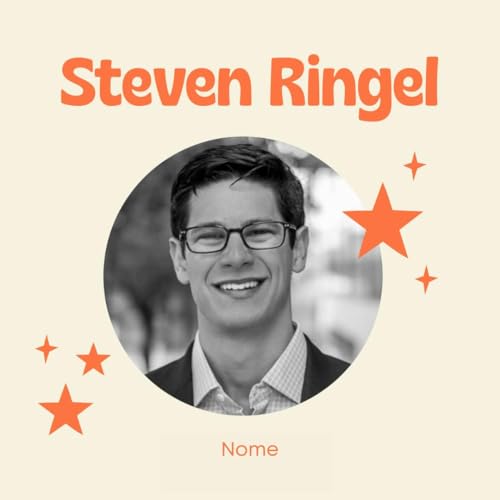
  • ONCE UPON A GENE – EPISODE 275: How AI is Making Personalized Therapies Faster, Cheaper, and Accessible for the World’s Rarest Diseases with Steven Ringel
    May 28 2026
    Get your free Nome report at www.nome.bio – Families can upload a genetic report and receive a free personalized therapy feasibility report in minutes. In this powerful conversation, Effie Parks sits down with Steven Ringel — patient, sibling of a patient, founder of the Kizuna Foundation, and CEO of Nome to discuss how AI is revolutionizing personalized medicine for the smallest rare disease communities. Diagnosed at 17 with an ultra-rare inherited retinal disease caused by mutations in the KIZ gene (and later learning his younger sister Natalie shares the exact same diagnosis), Steven refused to accept the doctors’ advice to “learn braille and prepare to go blind.” Instead, he built a 501(c)(3) to develop custom gene therapies and then launched Nome, an AI operating system that makes personalized therapies faster, cheaper, and accessible even to the tiniest patient advocacy groups. Since the original recording, Nome has exploded: they closed a $2.7 million seed round and their AI platform is now live at nome.bio Steven shares the deeply human side of rare disease, the operational bottlenecks that hold back small patient-led efforts, and how Nome’s AI acts as the “quarterback” to coordinate experts, manufacturers, and regulators — turning “maybe” into clear, actionable next steps. If you or a loved one has a genetic diagnosis and you’re wondering whether a personalized therapy could be possible, head over to www.nome.bio right now and upload your genetic report. It’s completely free, takes just minutes, and could open doors you didn’t even know existed. Steven and the Nome team built this tool because every patient deserves to know their options — no matter how rare their condition is. Thanks for listening to Once Upon a Gene! If this episode lit a spark, share it with a fellow rare disease family and help us spread the word about Nome. See you in the next episode!
    Afficher plus Afficher moins
    45 min
  • ONCE UPON A GENE – EPISODE 274: Caregiver Archetypes of Survival (Part 4) | The Victim Archetype: From Cowardly Lion to Roaring Warrior – Reclaiming Your Inner Courage Without Losing Yourself with Christy Foster
    May 21 2026
    In the final episode of their four-part archetype series, Effie Parks and archetype expert Christy Foster explore the Victim Archetype—represented by the Cowardly Lion in The Wizard of Oz. They emphasize that archetypes are neutral energies (as taught by Carl Jung and Caroline Myss) that everyone experiences. The conversation is tailored for parents raising children with disabilities, focusing on the real, repeated feelings of powerlessness, fear, and exhaustion—and how to alchemize them by dancing between the Victim and the Warrior. Christy guides listeners through noticing victim language and patterns, invoking the Warrior for sacred action (like holding your child during medical procedures), repairing afterward, asking for/receiving help, reparenting the inner child, and interrupting mental loops. Effie shares personal stories about hot yoga as repair, using cowgirl boots as a power object, and the daily reality of “going ice” (dissociating) vs. staying embodied as the Warrior. The episode is compassionate, practical, and full of simple tools you can put on your fridge or bedside table today. Subscribe to Christy’s podcast: No One is Perfect ⁠Once Upon a Gene Episode 29: Oxygen Masks & Motherhood with Christy Foster⁠ ⁠Once Upon a Gene Episode 239: How Stress Shows Up in the Body as Real Pain with Christy Foster⁠ If this episode touched you, please share it with another rare disease or special needs parent who needs to hear that they’re not alone — and that hope can come back. 💛 Thanks for listening! CONNECT WITH EFFIE PARKS X Instagram Linkedin Leave a Podcast Review
    Afficher plus Afficher moins
    1 h et 2 min