Couverture de Lies We Bought

Lies We Bought

Lies We Bought

De : Emily Rask
Écouter gratuitement

3 mois pour 0,99 €/mois

Après 3 mois, 9.95 €/mois. Offre soumise à conditions.

À propos de ce contenu audio

Lies We Bought is a marketing podcast with receipts. We unpack the slogans, myths, and shiny cultural truths we were sold. From “breakfast is the most important meal” to “clean beauty,” each episode peels back the glossy packaging. Hosted by Emily Rask, a marketer who knows the tricks because she used to build them, the show blends consumer psychology, vintage charm, and a wink of 1950s humor. It reached the Top 10 on Apple’s Marketing charts within two weeks of launching its teaser.Emily Rask Economie Marketing et ventes
Les membres Amazon Prime bénéficient automatiquement de 2 livres audio offerts chez Audible.

Vous êtes membre Amazon Prime ?

Bénéficiez automatiquement de 2 livres audio offerts.
Bonne écoute !
    Épisodes
    • Clean Eating, Dirty Marketing: The Truth About Organic Food
      Jan 20 2026

      At some point, food quietly stopped being food.

      A label on the package. A higher price. A feeling that one choice says something better about you than the other.

      In this episode, I unpack how organic food became a moral signal rather than just a farming method. What started as early 20th-century fears around chemicals and industrialization evolved into a multi-billion-dollar industry built on purity, identity, and responsibility.

      I trace the origins of the organic movement, from early food safety scares and biodynamic farming to Whole Foods, the USDA organic seal, and the rise of fear-based grocery marketing. We look at what science actually says about nutrition, pesticides, and health, and why the organic label feels so personal even when the evidence is far more nuanced.

      This is not about telling you what to buy.
      It is about understanding how a label became a moral benchmark.

      Welcome to Lies We Bought.
      They sold it. We bought it. Now we’re unpacking it.

      If this episode resonates, follow the show and leave a review. It helps new listeners find the podcast and supports independent storytelling.

      Afficher plus Afficher moins
      24 min
    • Is Multitasking a Scam? | One-Minute What
      Jan 13 2026

      Welcome to my new bonus series, One-Minute What?
      Where I talk about something for one minute that makes you stop and go… what?

      Today’s question: is multitasking a scam?

      Because if you’ve ever read a job description that says “must be able to multitask,” you already know what that usually means. You’re about to juggle three roles, answer emails at all hours, and somehow still be told to work smarter.

      Multitasking didn’t become popular because it works. It became popular because it sounds productive. It fits perfectly into hustle culture. Do more. Faster. At the same time.

      The problem is, multitasking doesn’t make us more efficient. It makes us feel efficient. And feeling productive is much easier to sell than actually being productive.

      That’s why tech platforms love it. Productivity tools love it. And companies love it, especially when it quietly shows up in job descriptions.

      So the next time a job description says “must be able to multitask,” just know what they’re really asking for.

      Afficher plus Afficher moins
      2 min
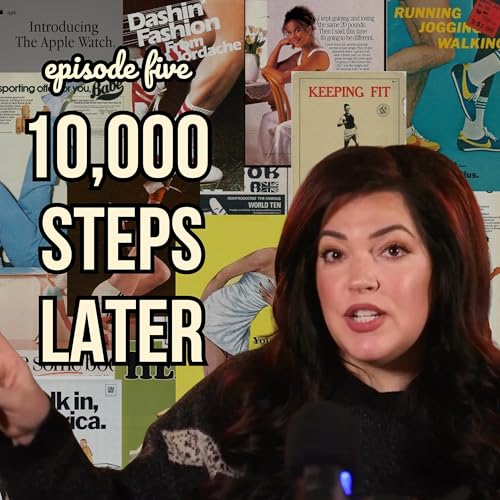
    • 10,000 Steps Later: The Fitness Lie We’ve All Been Walking Into
      Jan 6 2026

      At some point, a daily walk quietly turned into a performance review.

      A buzz on your wrist. A glowing ring. A number that decides whether today “counts.”

      In this episode, I unpack how ten thousand steps became the world’s most accepted fitness goal, despite never being rooted in science. What began as a 1960s marketing idea evolved into a global wellness rule that now lives on smartwatches, corporate challenges, insurance incentives, and personal guilt.

      I trace the origin of the ten thousand-step myth, explore what research actually says about walking and health, and examine why round numbers are so effective at shaping behavior.

      This is not about walking less. It is about understanding how a marketing idea became a moral benchmark.

      Welcome to Lies We Bought.
      They sold it. We bought it. Now we’re unpacking it.

      If this episode resonates, follow the show and leave a review. It helps new listeners find the podcast and supports independent storytelling.

      Afficher plus Afficher moins
      25 min
    Aucun commentaire pour le moment