Épisodes

  • 中国人为什么会悲秋? Why Does Autumn Feel Sad in Chinese Culture?
    Oct 17 2026
    节目简介|Episode Description|エピソード紹介秋天是收获的季节,但在中国文化中,秋天也有一种特殊的情感,叫“悲秋”。这一期,我们聊聊中国人为什么会悲秋,以及背后的传统文化观念。Autumn is a season of harvest, but in Chinese culture, it also brings a sense of melancholy known as 悲秋 (bēi qiū). In this episode, we explore why autumn inspires these feelings and the cultural ideas behind them.秋は収穫の季節ですが、中国文化には「悲秋(ひしゅう)」という独特の感情もあります。今回は、中国人が秋に物悲しさを感じる理由と、その背景にある伝統的な考え方についてお話しします。完整文稿|Full Transcript大家好,欢迎收听新一期的《5分钟中文》。《5分钟中文》是一档每周末更新的中文播客,用自然的中文跟大家聊中国语言、文化还有生活中一些有意思的话题。一说到秋天,大家最先想到的是什么呢?从中秋节到十一长假,秋天对中国人来说是一个充满节日气氛的季节,也是收获的季节。但是,在中国文化中,秋天还有一种特殊的情感,那就是“悲秋”。“悲秋”,就是一到秋天,人们就容易感到伤感。那么,为什么会有这种情绪呢?首先,我觉得这跟秋天本身的季节特点有关。到了秋天,天气渐渐变冷,白天越来越短,树叶开始变黄、掉落。中国有一个词,叫“秋风萧瑟”,形容秋风吹过,草木凋零,给人一种冷清、凄凉的感觉。秋天的红叶虽然美丽,但接下来就是寒冷的冬天了。中国传统文化中有一个重要的观念,叫“天人合一”,认为人与自然有着密切的联系。古人讲“春生、夏长、秋收、冬藏”,就是说春天发芽,夏天生长,秋天收获,冬天储藏。古人还认为,春夏阳气比较强,万物不断生长。到了秋冬,阴气逐渐增强,天气变冷,草木开始枯萎。所以,在古人看来,秋天不仅是收获的季节,也意味着生命开始走向衰落。这种观念甚至影响了古代的法律制度。古人认为,春夏不宜杀伐,秋冬则适合执行刑罚。因此,中国古代长期有秋冬行刑的传统,一些死刑会安排在秋冬执行,就是所谓的“秋后问斩”。而在个人的情感上,秋天也很容易让人产生伤感的情绪。中国有一个说法,叫“伤春悲秋”。春天看到花朵凋谢,人们会感叹美好时光的短暂;秋天看到草木枯萎,又会让人想到岁月流逝、人生短暂。对于远离家乡的人来说,秋天的萧瑟还容易让他们想起家乡和亲人。其实,作为一个中国人,我自己很能理解这种悲秋的感觉。倒不是秋天本身让人难过,而是秋天提醒我,一年又快结束了。秋色虽然美好,却也短暂,让人不免感慨人生。不过,秋天让人伤感并不是中国人特有的体验。面对季节的变化、时间的流逝,不同文化背景的人可能都会有类似的感受。只是在中国传统文化中,这种情绪又和中国古人对自然、生命的理解联系在一起,形成了独特的悲秋传统。那你喜欢秋天吗?秋天对你来说是一个充满喜悦的季节,还是有一点伤感的季节呢?今天就跟大家聊到这里。如果您喜欢《5分钟中文》,觉得这个节目对您有帮助,请您帮我订阅、分享、转发,让这个节目能帮到更多人。如果您愿意支持我,节目描述栏下方有支持链接。感谢您的收听,我们下期再见!生词表|Vocabulary悲秋 (bēi qiū) — feeling melancholy in autumn伤感 (shāng gǎn) — feeling sad or sentimental秋风萧瑟 (qiū fēng xiāo sè) — bleak autumn winds凋零 (diāo líng) — to wither and fall天人合一 (tiān rén hé yī) — harmony between humans and nature春生夏长,秋收冬藏 (chūn shēng xià zhǎng, qiū shōu dōng cáng) — spring growth, summer development, autumn harvest, winter storage阴气 (yīn qì) — yin energy in traditional Chinese philosophy衰落 (shuāi luò) — to decline杀伐 (shā fá) — killing and warfare秋后问斩 (qiū hòu wèn zhǎn) — execution after autumn (historical)伤春悲秋 (shāng chūn bēi qiū) — feeling melancholy about the passing of spring and autumn岁月流逝 (suì yuè liú shì) — the passage of time#悲秋 #中国文化 #秋天 #fall #autumnPhoto by Oliver Hihn on UnsplashSend me A Voice MailSupport the show完整录音稿已放在本期节目描述栏中,也可在播客网站对应节目页面查看。The full transcript is included in this episode description and is also available on the corresponding episode page on the podcast website.如果您喜欢我的播客,欢迎通过下方方式表达您的支持。您的支持对我来说是巨大的鼓励。但无论如何,...
    Afficher plus Afficher moins
    5 min
  • 2026年超级厄尔尼诺?Super El Niño in 2026?
    Oct 10 2026
    节目简介|Episode Description|エピソード紹介今年可能出现一次历史级别的厄尔尼诺。这期节目,我们来聊聊厄尔尼诺是什么,以及它为什么会影响世界各地的天气。2026 could see one of the strongest El Niño events on record. In this episode, we explore what El Niño is and how it affects weather around the world.2026年は記録的なエルニーニョ現象が発生する可能性があります。今回はエルニーニョとは何か、そして世界各地の天候にどのような影響を与えるのかについてお話しします。完整文稿|Full Transcript大家好,欢迎收听新一期的《5分钟中文》。《5分钟中文》是一档每周末更新的中文播客,用自然的中文跟大家聊中国语言、文化还有生活中一些有意思的话题。每一期的文稿和生词表都可以在节目的描述栏下方免费查看。今年跟往年相比,感觉雨水特别多。今天是周末,一早起来,外面又在下雨。之前看到新闻,说今年可能会出现一次“超级厄尔尼诺”。厄尔尼诺是一种自然气候现象。简单来说,就是太平洋靠近赤道的中部和东部,海水温度连续几个月高于正常水平。通常情况下,太平洋赤道附近的风会把温暖的海水推向西边。这样一来,太平洋西部的海水比较暖,降雨也比较多。厄尔尼诺发生的时候,这些风会减弱,温暖的海水就会向东移动。海水温度的变化会影响空气的流动,进而改变一些地区的降水情况。所以,虽然厄尔尼诺发生在太平洋,却会影响世界各地的天气,而且对不同地区的影响也不同。比如,南美洲的秘鲁和厄瓜多尔沿海地区,可能会出现比平时更多的降雨,甚至发生洪水。而印度尼西亚和澳大利亚的部分地区,降水却可能减少,出现干旱。在美国,厄尔尼诺通常会让南部地区的冬季更加潮湿,北部地区的冬季更加温暖。中国也会受到影响。比如,厄尔尼诺发生后,中国南方在冬季和春季的降雨可能增多。不过,厄尔尼诺并不是唯一影响降雨的因素。每次发生时,具体情况也不完全一样。根据美国国家海洋和大气管理局10月8日发布的最新预测,今年10月到12月的厄尔尼诺有83%的可能性达到甚至超过1950年以来的最强水平。这种特别强的厄尔尼诺也被称为“超级厄尔尼诺”。历史上比较著名的强厄尔尼诺包括1997年到1998年以及2015年到2016年的两次。这两次都对全球天气产生了明显的影响。一些地区发生了严重干旱,另一些地区则出现洪水和异常高温。厄尔尼诺带来的气候变化还可能影响农业和经济。比如,严重的干旱或者洪水可能导致农作物减产,进而影响食品价格。那今天关于厄尔尼诺就跟大家聊到这里。如果您喜欢我的播客,觉得对您有帮助,请您帮我订阅、分享、转发,让这个节目能帮到更多人。如果您愿意支持我,节目的描述栏下方也有支持链接。感谢您的收听,我们下期再见!生词表|Vocabulary & Useful Expressions厄尔尼诺 (è ěr ní nuò) — El Niño气候现象 (qì hòu xiàn xiàng) — climate phenomenon赤道 (chì dào) — equator高于正常水平 (gāo yú zhèng cháng shuǐ píng) — above normal levels减弱 (jiǎn ruò) — to weaken降水 (jiàng shuǐ) — precipitation干旱 (gān hàn) — drought潮湿 (cháo shī) — humid; damp预测 (yù cè) — forecast; prediction异常 (yì cháng) — abnormal; unusual减产 (jiǎn chǎn) — reduced production; reduced crop yields进而 (jìn ér) — consequently; in turn#厄尔尼诺 #ElNino #超级厄尔尼诺 #ClimateAndWeatherSend me A Voice MailSupport the show完整录音稿已放在本期节目描述栏中,也可在播客网站对应节目页面查看。The full transcript is included in this episode description and is also available on the corresponding episode page on the podcast website.如果您喜欢我的播客,欢迎通过下方方式表达您的支持。您的支持对我来说是巨大的鼓励。但无论如何,我都很感激有您作为听众。能够每周与您分享几分钟的时光,对我来说是莫大的荣幸。❤️If you enjoy my podcast, you’re welcome to show your support through the options below. Your support means a great deal to me and is a huge source of encouragement. But no matter what, I’m truly grateful to have you as a listener. It’s an honor to share a few minutes with you each week!❤️ ☕💗 Buy Me a Coffee (One-time & Monthly Donation)💖🎙️ Support This Podcast (Monthly Donation via Buzzsprout)❤️播客网址:Podcast Website If you have any questions, you can email me at TheLoneMandarinTeacher@outlook.com. #五分钟中文 #中文播客 #ChinesePodcast #LearnChinese #ChineseListening #...
    Afficher plus Afficher moins
    5 min
  • 我们高中的年级旅行 Grade-Level Trips at Our High School
    Oct 4 2026

    节目简介|Episode Description|エピソード紹介

    这一期,我分享我们学校刚刚结束的十年级秋季旅行,也聊聊这种按年级组织的旅行为什么在小型私立学校里很特别。

    In this episode, I share our recent 10th-grade trip and why grade-level trips are a special part of life at a small private school.

    今回は、私の学校で行われた10年生の秋の旅行を紹介しながら、小規模な私立学校ならではの学年旅行についてお話しします。

    生词表|Vocabulary

    1. 私立大学 sīlì dàxué — private university 州立大学 zhōulì dàxué — state university
    2. 民权 mínquán — civil rights
    3. 游乐中心 yóulè zhōngxīn — entertainment / amusement center
    4. 卡丁车 kǎdīngchē — go-kart
    5. 迷你高尔夫 mínǐ gāo'ěrfū — mini golf
    6. 攀岩 pānyán — rock climbing
    7. 皮划艇 píhuátǐng — kayaking
    8. 团建 tuánjiàn — team-building activities
    9. 露营 lùyíng — camping
    10. 交集 jiāojí — connection; overlap between people or experiences
    11. 弥补 míbǔ — to make up for; compensate for

    #美国高中 #美国教育 #学校旅行 #AmericanHighSchool #SchoolTrip

    Photo by Tyler Zhang on Unsplash

    Send us Fan Mail

    Support the show

    由于空间限制,录音稿未放在描述栏,可在播客网站对应节目页面下查看。
    Due to space constraints, the transcript is available on my podcast website https://5minutechinese.buzzsprout.com (免费文稿 Free Transcript Available)

    如果您喜欢我的播客,欢迎通过下方方式表达您的支持。您的支持对我来说是巨大的鼓励。但无论如何,我都很感激有您作为听众。能够每周与您分享几分钟的时光,对我来说是莫大的荣幸。❤️

    If you enjoy my podcast, you’re welcome to show your support through the options below. Your support means a great deal to me and is a huge source of encouragement. But no matter what, I’m truly grateful to have you as a listener. It’s an honor to share a few minutes with you each week!❤️

    ☕💗 Buy Me a Coffee (One-time & Monthly Donation)

    💖🎙️ Support This Podcast (Monthly Donation via Buzzsprout)

    ❤️播客网址:Podcast Website

    If you have any questions, you can email me at TheLoneMandarinTeacher@outlook.com.

    #五分钟中文 #中文播客 #ChinesePodcast #LearnChinese #ChineseListening #中文听力 #中文练习 #中国語 #中国語リスニング #中国語聴解 #中国語学習 #中国語検定 #HSK5 #HSK6 #HSK #中国語上級 #汉语水平考试 #中級中国語 #上級中国語 #中国事情 #汉语学习 #中文学习 #中国文化 #中级汉语 #高级汉语 #自然中文 #AdvancedChinese #IntermediateChinese

    Afficher plus Afficher moins
    5 min
  • 为什么“应届生”身份对找工作这么重要? Why Does “Fresh Graduate” Status Matter So Much When Job Hunting in China?
    Sep 27 2026

    节目简介|Episode Description|エピソード紹介

    现在正是中国大学生一年一度的秋招季。“应届生”为什么在中国找工作时这么重要?这一期聊聊秋招、校招和社招的区别,以及为什么有些人会通过读研究生重新获得参加校招的机会。

    It’s fall recruiting season for university students in China. Why does “fresh graduate” status matter so much when looking for a job? In this episode, I talk about campus recruiting, experienced-hire recruiting, and why some people pursue graduate school partly to gain another opportunity to enter the graduate recruitment process.

    中国では今、大学生の秋採用シーズンです。中国の就職活動では、なぜ「新卒」という立場がそれほど重要なのでしょうか。今回は、校内採用と社会人採用の違い、そして大学院に進むことで再び新卒採用に参加する人がいる理由について話します。

    生词表|Vocabulary

    1. 秋招 qiūzhāo — fall recruiting (春招 chūnzhāo — spring recruiting)
    2. 投简历 tóu jiǎnlì — to submit a résumé
    3. 应届生 yìngjièshēng — graduating student; fresh graduate
    4. 校园招聘/校招 xiàoyuán zhāopìn / xiàozhāo — campus recruiting
    5. 入职 rùzhí — to start a job; officially join a company
    6. 国企 guóqǐ — state-owned enterprise
    7. 央企 yāngqǐ — centrally administered state-owned enterprise
    8. 社会招聘 / 社招 shèhuì zhāopìn / shèzhāo — experienced-hire recruiting
    9. 考研 kǎoyán — to take the graduate school entrance exam
    10. 全日制研究生 quánrìzhì yánjiūshēng — full-time graduate student

    #应届生 #秋招 #校招 #校园招聘 #大学生就业 #求职 #FreshGraduate #CampusRecruitment #JobHuntingInChina #ChinaJobs

    Send us Fan Mail

    Support the show

    由于空间限制,录音稿未放在描述栏,可在播客网站对应节目页面下查看。
    Due to space constraints, the transcript is available on my podcast website https://5minutechinese.buzzsprout.com (免费文稿 Free Transcript Available)

    如果您喜欢我的播客,欢迎通过下方方式表达您的支持。您的支持对我来说是巨大的鼓励。但无论如何,我都很感激有您作为听众。能够每周与您分享几分钟的时光,对我来说是莫大的荣幸。❤️

    If you enjoy my podcast, you’re welcome to show your support through the options below. Your support means a great deal to me and is a huge source of encouragement. But no matter what, I’m truly grateful to have you as a listener. It’s an honor to share a few minutes with you each week!❤️

    ☕💗 Buy Me a Coffee (One-time & Monthly Donation)

    💖🎙️ Support This Podcast (Monthly Donation via Buzzsprout)

    ❤️播客网址:Podcast Website

    If you have any questions, you can email me at TheLoneMandarinTeacher@outlook.com.

    #五分钟中文 #中文播客 #ChinesePodcast #LearnChinese #ChineseListening #中文听力 #中文练习 #中国語 #中国語リスニング #中国語聴解 #中国語学習 #中国語検定 #HSK5 #HSK6 #HSK #中国語上級 #汉语水平考试 #中級中国語 #上級中国語 #中国事情 #汉语学习 #中文学习 #中国文化 #中级汉语 #高级汉语 #自然中文 #AdvancedChinese #IntermediateChinese

    Afficher plus Afficher moins
    7 min
  • 为什么中文要说“是…的”?Why Does Chinese Use 是…的?
    Sep 19 2026

    节目简介|Episode Description|エピソード紹介

    为什么已经知道一件事情发生了以后,中文会说“你是什么时候去中国的?”,而不是“你什么时候去中国了?”这一期我们从“了”和“是……的”的区别出发,聊聊“是……的”背后的逻辑。

    Why do we say “你是什么时候去中国的?” when we already know someone went to China, rather than “你什么时候去中国了?” In this episode, we look at the logic behind 是……的 and how it differs from 了.

    中国語では、すでに起きたと分かっている出来事について、なぜ「了」ではなく「是……的」を使って詳しい情報を尋ねるのでしょうか。今回は「了」と「是……的」の違いから、この文法の背後にあるロジックについて話します。

    生词表|Useful Vocabulary & Expressions

    1. 专属 zhuānshǔ — exclusive; specific to
    2. 助词 zhùcí — particle
    3. 时态 shítài — tense
    4. 既定事实 jìdìng shìshí — established fact
    5. 细节 xìjié — detail
    6. 省略 shěnglüè — to omit
    7. 前提 qiántí — premise; assumption
    8. 确认 quèrèn — to confirm
    9. 双向 shuāngxiàng — two-way; bidirectional
    10. 建立在……上 jiànlì zài…shàng — to be based on
    11. 强调 qiángdiào — to emphasize
    12. 深挖 shēnwā — to dig deeper into

    #中文语法 #过去时 #语法逻辑 #中文表达 #MandarinGrammar #ChineseGrammar #ChinesePastTense

    Send us Fan Mail

    Support the show

    由于空间限制,录音稿未放在描述栏,可在播客网站对应节目页面下查看。
    Due to space constraints, the transcript is available on my podcast website https://5minutechinese.buzzsprout.com (免费文稿 Free Transcript Available)

    如果您喜欢我的播客,欢迎通过下方方式表达您的支持。您的支持对我来说是巨大的鼓励。但无论如何,我都很感激有您作为听众。能够每周与您分享几分钟的时光,对我来说是莫大的荣幸。❤️

    If you enjoy my podcast, you’re welcome to show your support through the options below. Your support means a great deal to me and is a huge source of encouragement. But no matter what, I’m truly grateful to have you as a listener. It’s an honor to share a few minutes with you each week!❤️

    ☕💗 Buy Me a Coffee (One-time & Monthly Donation)

    💖🎙️ Support This Podcast (Monthly Donation via Buzzsprout)

    ❤️播客网址:Podcast Website

    If you have any questions, you can email me at TheLoneMandarinTeacher@outlook.com.

    #五分钟中文 #中文播客 #ChinesePodcast #LearnChinese #ChineseListening #中文听力 #中文练习 #中国語 #中国語リスニング #中国語聴解 #中国語学習 #中国語検定 #HSK5 #HSK6 #HSK #中国語上級 #汉语水平考试 #中級中国語 #上級中国語 #中国事情 #汉语学习 #中文学习 #中国文化 #中级汉语 #高级汉语 #自然中文 #AdvancedChinese #IntermediateChinese

    Afficher plus Afficher moins
    6 min
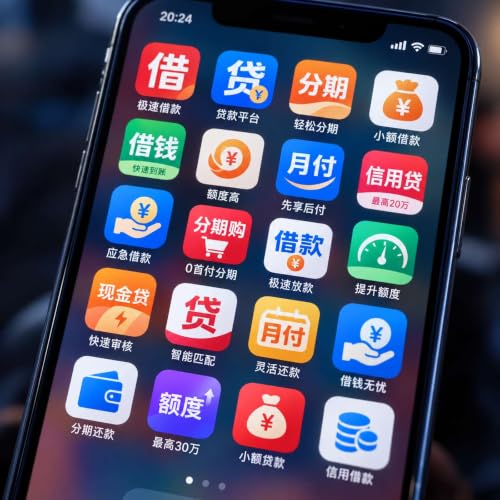
  • 现在中国人怎么借钱? What Is Borrowing Money in China Like Today?
    Sep 13 2026

    节目简介|Episode Description|エピソード紹介

    中国的信用卡数量在减少,但借钱并没有消失。现在,分期、先用后付和网上贷款越来越常见。这期节目聊聊现在中国人为什么借钱,以及经济和就业压力下,借贷为什么可能变成负担。

    Credit cards are declining in China, but borrowing is not. Installment payments, buy-now-pay-later services, and online loans are increasingly common. This episode looks at why people borrow in China today and how debt can become a burden when income or employment becomes unstable.

    中国ではクレジットカードの数が減っていますが、借り入れ自体がなくなったわけではありません。分割払い、後払い、オンライン融資が身近になる中、今回は人々がなぜお金を借りるのか、そして経済や雇用の不安定さが返済の負担につながる理由について話します。

    生词表|Vocabulary

    1. 睡眠卡 shuìmiánkǎ — a bank card that has not been used for a long time
    2. 门槛 ménkǎn — how difficult it is to qualify for or access something
    3. 贷款 dàikuǎn — money borrowed from a bank or financial company
    4. 审核 shěnhé — to review and approve an application
    5. 借贷 jièdài — borrowing and lending money
    6. 先用后付 xiān yòng hòu fù — get or use something now and pay later
    7. 分期 fēnqī — pay for something in several smaller payments over time
    8. 提前消费 tíqián xiāofèi — spend money now before you have fully earned or saved it
    9. 大件儿 dàjiànr — an expensive or relatively large purchase
    10. 负担 fùdān — something that creates financial or other pressure
    11. 周转 zhōuzhuǎn — use money temporarily to cover short-term expenses
    12. 手头紧 shǒutóu jǐn — not have much money available right now
    13. 拆东墙补西墙 chāi dōng qiáng bǔ xī qiáng — borrow or take money from one place to cover what you owe somewhere else
    14. 债务 zhàiwù — money that you owe
    15. 量入为出 liàng rù wéi chū — spend according to how much money you earn

    #借贷 #loan#网上借贷 #OnlineBorrowing #消费贷款 #ConsumerLoans #分期付款 #InstallmentPayments #先用后付 #BuyNowPayLater #信用卡 #CreditCards

    Send us Fan Mail

    Support the show

    由于空间限制,录音稿未放在描述栏,可在播客网站对应节目页面下查看。
    Due to space constraints, the transcript is available on my podcast website https://5minutechinese.buzzsprout.com (免费文稿 Free Transcript Available)

    如果您喜欢我的播客,欢迎通过下方方式表达您的支持。您的支持对我来说是巨大的鼓励。但无论如何,我都很感激有您作为听众。能够每周与您分享几分钟的时光,对我来说是莫大的荣幸。❤️

    If you enjoy my podcast, you’re welcome to show your support through the options below. Your support means a great deal to me and is a huge source of encouragement. But no matter what, I’m truly grateful to have you as a listener. It’s an honor to share a few minutes with you each week!❤️

    ☕💗 Buy Me a Coffee (One-time & Monthly Donation)

    💖🎙️ Support This Podcast (Monthly Donation via Buzzsprout)

    ❤️播客网址:Podcast Website

    If you have any questions, you can email me at TheLoneMandarinTeacher@outlook.com.

    #五分钟中文 #中文播客 #ChinesePodcast #LearnChinese #ChineseListening #中文听力 #中文练习 #中国語 #中国語リスニング #中国語聴解 #中国語学習 #中国語検定 #HSK5 #HSK6 #HSK #中国語上級 #汉语水平考试 #中級中国語 #上級中国語 #中国事情 #汉语学习 #中文学习 #中国文化 #中级汉语 #高级汉语 #自然中文 #AdvancedChinese #IntermediateChinese

    Afficher plus Afficher moins
    6 min
  • 日常生活中的警察 Police in Everyday Life: China, Japan, and the U.S.
    Sep 6 2026

    节目简介|Episode Description|エピソード紹介

    这一期我们聊聊日常生活中的警察。以中国、日本和美国为例,看看不同国家的警察在普通人生活中扮演什么样的角色,以及中国的派出所、社区民警和日本的交番有哪些相似之处,美国的警务方式又有什么不同。

    In this episode, we talk about police in everyday life. Using China, Japan, and the United States as examples, we look at how police interact with ordinary people, the similarities between China’s local community policing and Japan’s kōban system, and how policing in the U.S. differs.

    今回は、日常生活の中の警察について話します。中国、日本、アメリカを例に、一般の人が警察とどのように関わるのか、中国の派出所や地域警察と日本の交番にはどんな共通点があるのか、そしてアメリカの警察との違いについて紹介します。

    生词表 Vocabulary

    1. 警种 jǐngzhǒng — branch/type of police(如:刑警 xíngjǐng — criminal police;交警 jiāojǐng — traffic police)
    2. 分工 fēngōng — division of responsibilities
    3. 基层警务 jīcéng jǐngwù — grassroots/community-level policing
    4. 派出所 pàichūsuǒ — local police station
    5. 户籍 hùjí — household registration
    6. 辖区 xiáqū — jurisdiction / assigned area
    7. 片儿警 piànr jǐng — neighborhood police officer
    8. 走访 zǒufǎng — visit / conduct outreach
    9. 防范 fángfàn — prevent / guard against
    10. 调解 tiáojiě — mediate / mediation
    11. 老百姓 lǎobǎixìng — ordinary people / local residents
    12. 巡逻 xúnluó — patrol
    13. 失物招领 shīwù zhāolǐng — lost and found
    14. 执法 zhífǎ — law enforcement
    15. 面面俱到 miànmiàn jùdào — cover every aspect / be comprehensive

    #派出所 #社区民警 #交番 #警察

    Send us Fan Mail

    Support the show

    由于空间限制,录音稿未放在描述栏,可在播客网站对应节目页面下查看。
    Due to space constraints, the transcript is available on my podcast website https://5minutechinese.buzzsprout.com (免费文稿 Free Transcript Available)

    如果您喜欢我的播客,欢迎通过下方方式表达您的支持。您的支持对我来说是巨大的鼓励。但无论如何,我都很感激有您作为听众。能够每周与您分享几分钟的时光,对我来说是莫大的荣幸。❤️

    If you enjoy my podcast, you’re welcome to show your support through the options below. Your support means a great deal to me and is a huge source of encouragement. But no matter what, I’m truly grateful to have you as a listener. It’s an honor to share a few minutes with you each week!❤️

    ☕💗 Buy Me a Coffee (One-time & Monthly Donation)

    💖🎙️ Support This Podcast (Monthly Donation via Buzzsprout)

    ❤️播客网址:Podcast Website

    If you have any questions, you can email me at TheLoneMandarinTeacher@outlook.com.

    #五分钟中文 #中文播客 #ChinesePodcast #LearnChinese #ChineseListening #中文听力 #中文练习 #中国語 #中国語リスニング #中国語聴解 #中国語学習 #中国語検定 #HSK5 #HSK6 #HSK #中国語上級 #汉语水平考试 #中級中国語 #上級中国語 #中国事情 #汉语学习 #中文学习 #中国文化 #中级汉语 #高级汉语 #自然中文 #AdvancedChinese #IntermediateChinese

    Afficher plus Afficher moins
    6 min
  • 为什么在中国越来越少看到信用卡?Why Do You See Fewer Credit Cards in China?
    Aug 30 2026

    节目简介|Episode Description|エピソード紹介

    为什么一个二十多岁的上海年轻老师,居然从来没见过信用卡?这一期我从这个真实的小故事聊起,谈谈中国移动支付为什么这么普及、二维码支付的优势,以及为什么实体信用卡正在慢慢退出很多人的日常生活。

    How could a Chinese teacher in her early twenties in Shanghai have never seen a physical credit card? In this episode, I start with a real story and talk about why mobile payments became so widespread in China, the advantages of QR-code payments, and why people increasingly no longer need to carry or use physical credit cards in everyday life.

    上海に住む20代前半の中国人の先生が、実物のクレジットカードを一度も見たことがなかったのはなぜでしょうか。今回は実際のエピソードをきっかけに、中国でモバイル決済がここまで普及した理由、QRコード決済の特徴、そして実物のクレジットカードを日常生活で使う機会が減っている背景についてお話しします。

    生词表 Vocabulary

    1. 离谱 lípǔ — ridiculous / outrageous
    2. 截至 jiézhì — as of / by
    3. 信用卡和借贷合一卡 xìnyòngkǎ hé jièdài héyīkǎ — credit cards and debit-credit combination cards
    4. 移动支付 yídòng zhīfù — mobile payment
    5. 大行其道 dàxíng qídào — to become widespread / prevalent
    6. 二维码 èrwéimǎ — QR code
    7. 门槛 ménkǎn — threshold / barrier to entry
    8. 扫码 sǎomǎ — scan a QR code
    9. 绑定 bǎngdìng — link / bind
    10. 信贷 xìndài — credit / lending

    #信用卡 #CreditCards #移动支付 #MobilePayment #扫码支付 #QRPayment #二维码支付 #QRCodePayment

    Send us Fan Mail

    Support the show

    由于空间限制,录音稿未放在描述栏,可在播客网站对应节目页面下查看。
    Due to space constraints, the transcript is available on my podcast website https://5minutechinese.buzzsprout.com (免费文稿 Free Transcript Available)

    如果您喜欢我的播客,欢迎通过下方方式表达您的支持。您的支持对我来说是巨大的鼓励。但无论如何,我都很感激有您作为听众。能够每周与您分享几分钟的时光,对我来说是莫大的荣幸。❤️

    If you enjoy my podcast, you’re welcome to show your support through the options below. Your support means a great deal to me and is a huge source of encouragement. But no matter what, I’m truly grateful to have you as a listener. It’s an honor to share a few minutes with you each week!❤️

    ☕💗 Buy Me a Coffee (One-time & Monthly Donation)

    💖🎙️ Support This Podcast (Monthly Donation via Buzzsprout)

    ❤️播客网址:Podcast Website

    If you have any questions, you can email me at TheLoneMandarinTeacher@outlook.com.

    #五分钟中文 #中文播客 #ChinesePodcast #LearnChinese #ChineseListening #中文听力 #中文练习 #中国語 #中国語リスニング #中国語聴解 #中国語学習 #中国語検定 #HSK5 #HSK6 #HSK #中国語上級 #汉语水平考试 #中級中国語 #上級中国語 #中国事情 #汉语学习 #中文学习 #中国文化 #中级汉语 #高级汉语 #自然中文 #AdvancedChinese #IntermediateChinese

    Afficher plus Afficher moins
    7 min