

It_s not that bad
Impossible d'ajouter des articles
Désolé, nous ne sommes pas en mesure d'ajouter l'article car votre panier est déjà plein.
Veuillez réessayer plus tard
Veuillez réessayer plus tard
Échec de l’élimination de la liste d'envies.
Veuillez réessayer plus tard
Impossible de suivre le podcast
Impossible de ne plus suivre le podcast

It_s not that bad
-
Lu par :
-
De :
À propos de ce contenu audio
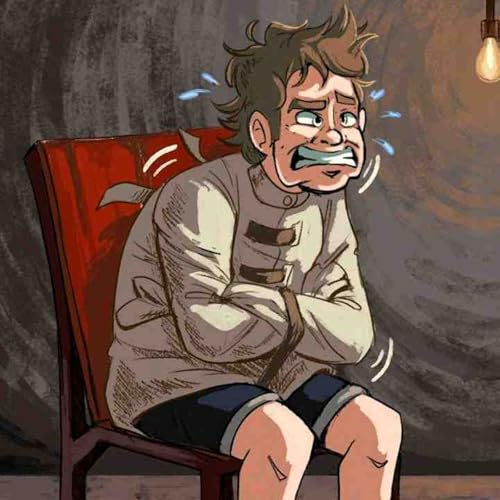
In this episode, I examine the damage caused by the reflexive urge to minimize other people's pain. The person who says it is not that bad is not trying to be cruel. They are trying to help. They are failing. The person who is suffering hears something different. They hear that their pain is not valid. They hear that they are overreacting. They hear that no one understands.
The episode explores the psychology of invalidation and offers a simple alternative. Instead of saying it is not that bad, say I am sorry you are going through this. Instead of offering solutions, offer presence. Instead of minimizing, acknowledge. The person who is suffering does not need to be told that things could be worse. They know things could be worse. They need to know that someone sees how bad things are right now.
Turn down the lights, put on your headphones, and press play because it is not that bad is the most damaging phrase in the English language.
Aucun commentaire pour le moment


