

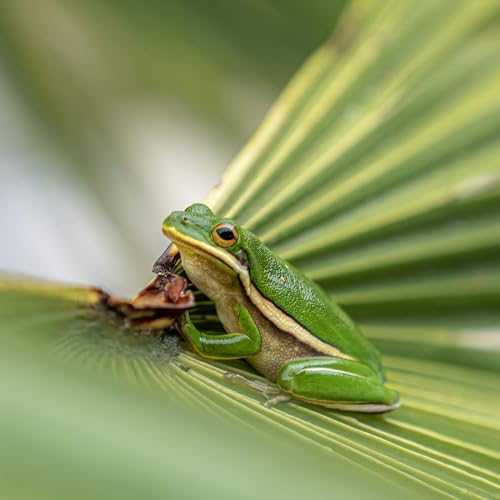
What drives animals to your yard? It's complicated
Impossible d'ajouter des articles
Désolé, nous ne sommes pas en mesure d'ajouter l'article car votre panier est déjà plein.
Veuillez réessayer plus tard
Veuillez réessayer plus tard
Échec de l’élimination de la liste d'envies.
Veuillez réessayer plus tard
Impossible de suivre le podcast
Impossible de ne plus suivre le podcast

What drives animals to your yard? It's complicated
-
Lu par :
-
De :
À propos de ce contenu audio
If you live in the Atlanta area and are interested in volunteering with MAAMP (the Metro Atlanta Amphibian Monitoring Program), you can sign up for training here.
This episode is part of Nature Quest, our monthly segment that brings you a question from a fellow listener who is noticing a change in the world around them.
Send a voice memo to shortwave@npr.org telling us your name, location and a question about a change you’re seeing in nature – it could be our next Nature Quest episode!
Listen to every episode of Short Wave sponsor-free and support our work at NPR by signing up for Short Wave+ at plus.npr.org/shortwave.
Learn more about sponsor message choices: podcastchoices.com/adchoices
NPR Privacy Policy

Vous êtes membre Amazon Prime ?
Bénéficiez automatiquement de 2 livres audio offerts.Bonne écoute !
Aucun commentaire pour le moment


