

What Home Renovations Stir Up When Asbestos Hides
Impossible d'ajouter des articles
Échec de l’élimination de la liste d'envies.
Impossible de suivre le podcast
Impossible de ne plus suivre le podcast

What Home Renovations Stir Up When Asbestos Hides
-
Lu par :
-
De :
À propos de ce contenu audio
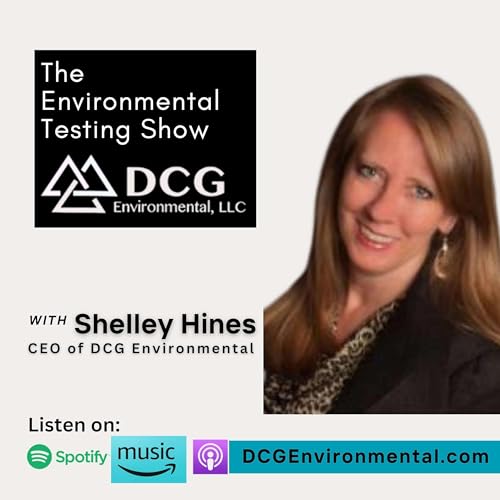
Renovations feel clean and modern until the air turns into the problem. We sit down with Shelley Hines, CEO of DCG Environmental, to talk about asbestos risk during remodeling and why the most dangerous moment is often the most ordinary one: cutting drywall, sanding texture, or ripping up old vinyl flooring.
We get practical about what makes asbestos hazardous, including the meaning of “friable” material and why dust is the real enemy. Shelley walks us through the most common places asbestos can hide in residential and commercial properties, from joint compound and wall texture to flooring backing and mastics used as adhesives. We also dig into why asbestos was used so widely in the first place: fire resistance, durability, and insulation value around pipes and HVAC systems.
Then we move from curiosity to action. We cover health risks like asbestosis, mesothelioma, and lung cancer, plus the frustrating reality that symptoms can take 10 to 20 years to show up. We explain Texas asbestos testing requirements for commercial buildings, why residential rules differ, and what professional containment and clearance air testing look like when a job is underway. If you suspect you disturbed asbestos, you’ll leave knowing the first steps to take, including why you should not sweep and why only HEPA filtration is designed for asbestos fibers.
If this helped you think differently about your next renovation or repair, subscribe, share the episode with a friend planning a remodel, and leave a review so more people can find reliable environmental testing guidance.
To learn more about DCG Environmental visit:
https://www.DCGEnvironmental.com
DCG Environmental
Serving Property Owners in Dallas, Houston, and Austin
972-876-0008