Épisodes

  • Congratulations On Winning A Game You Hate
    Jun 23 2026

    Send us Fan Mail

    You can be competent, consistent, and clearly “winning,” then still sit in your car after work and whisper, “I don’t even know if I wanted this.” That moment is where we start. I tell the story of Naomi, a 34-year-old who looks stable and successful from the outside but feels like an imposter in her own life, not because she lacks skill, but because her life may be built from other people’s assumptions.

    We dig into what I call the invisible architecture of achievement: the hidden structure under your goals, including family pressure, cultural programming, old wounds, social rewards, and digital signals that teach you what to want before you ever ask what you value. I introduce the idea of the social proxy, the borrowed version of success that chases approval, safety, and “looking like you’re doing well.” We also talk about why this lands differently if you grew up with dysfunction, where you may develop radar instead of a compass, and how social media comparison can turn other people’s highlights into your personal metrics.

    Then we make it practical with questions that expose whether you’re chasing the experience or the announcement, curiosity or proving, and whose approval still runs your decisions. You’ll get a simple two-column exercise to separate what you genuinely want from what you feel expected to want, plus small acts of ownership that rebuild alignment without dramatic chaos. If this resonates, subscribe, share it with a friend who’s quietly exhausted, and leave a review. What part of your “success” might be borrowed?

    Truth Be Told Project Podcast introduction

    Support the show

    Website: truthbetoldproject.com

    Catch Us on YouTube: www.youtube.com/@Truthbetold2You

    Go to the website to sign up for the monthly newsletter coming soon.

    Follow Us on

    Facebook: https://www.facebook.com/mrtruthbetold2u


    Afficher plus Afficher moins
    47 min
  • The Reasonable Life That Makes You Miserable
    May 26 2026

    Send us Fan Mail

    “I feel lost” sounds like a lack of direction, but what if it’s actually a lack of fit? We’re looking at the moment so many adults hit where life keeps moving on the outside, yet nothing feels connected on the inside. You might be working hard, doing the responsible things, keeping relationships and routines afloat, and still feel restless, foggy, or quietly resentful. That isn’t always a motivation problem. It can be a misalignment problem, a life you’re maintaining that no longer matches what you value or need.

    We talk about the difference between being directionless and being misdesigned, and why a misdesigned life can look incredibly “successful” on paper. We unpack how this happens through practical stacking, inherited expectations, performance living, and becoming so good at responding to what others need that you stop designing what you need. If you’ve been blaming yourself as lazy, ungrateful, or undisciplined, this reframes the real source of the drag.

    Then we get practical: a structural fit audit, identifying borrowed commitments, and removing one misaligned maintenance loop to create internal space. Clarity often isn’t discovered through more content, more plans, or more hustle. It’s uncovered when the noise comes down and your real signal returns. If this resonates, subscribe, share it with a friend who feels stuck, and leave a review with the one “maintenance loop” you’re ready to pause.

    Truth Be Told Project Podcast introduction

    Support the show

    Website: truthbetoldproject.com

    Catch Us on YouTube: www.youtube.com/@Truthbetold2You

    Go to the website to sign up for the monthly newsletter coming soon.

    Follow Us on

    Facebook: https://www.facebook.com/mrtruthbetold2u


    Afficher plus Afficher moins
    31 min
  • How Quiet Choices Reshape Your Life
    May 18 2026

    Send us Fan Mail

    Your life can be fully functional and still feel like it doesn’t belong to you. That quiet mismatch is what we call drift: the slow, low-volume slide built from tiny avoidances, tiny yeses, tiny spends, and tiny escapes that never look dramatic enough to trigger help.

    We break down how drift actually forms when intentional life design goes silent and default patterns take over. Fear starts designing. Comfort starts designing. Your habits, your social media feed, and your unfinished wounds start designing. And the most unsettling part: many of these patterns get rewarded. Busyness looks like competence. Agreeableness looks like maturity. Being constantly connected looks like productivity. From the outside, everything seems “fine enough,” while internally you feel numb, resentful, or strangely absent.

    The turning point isn’t more hype or harsher discipline. It’s inspection. We walk through a practical weekly audit that creates real self-awareness and exposes where your time management, spending habits, attention, and honesty are leaking. Then we give three anti-drift design decisions you can start today: set a weekly checkpoint, name the single default doing the most damage, and replace one tiny permission with one intentional choice so your nervous system remembers you still have agency.

    If you’ve been waiting for a crisis to justify change, let this be your permission to look under the hood now. Subscribe, share this with a friend who feels “fine but off,” and leave a review telling us what your first weekly audit revealed.

    Truth Be Told Project Podcast introduction

    Support the show

    Website: truthbetoldproject.com

    Catch Us on YouTube: www.youtube.com/@Truthbetold2You

    Go to the website to sign up for the monthly newsletter coming soon.

    Follow Us on

    Facebook: https://www.facebook.com/mrtruthbetold2u


    Afficher plus Afficher moins
    33 min
  • You Are Not Unlucky In Love You Are Patterned
    Mar 19 2026

    Send us Fan Mail

    You can change the name, the face, and the first-date story and still end up in the same heartbreak. That’s not a string of unlucky coincidences; it’s a relationship pattern with roots, and once you see the roots, you can stop watering the wrong thing.

    We talk about the pull of “familiar” love: why unavailability can feel magnetic, why inconsistency can register as passion, and why your nervous system might call chaos chemistry. Using attachment theory as a simple, human framework, we unpack how early connection becomes a blueprint for adult relationships and how attachment wounds quietly shape what you tolerate, chase, or avoid. If you’ve ever wondered why you keep attracting the same dynamic, this gives you language for what’s been happening beneath the surface.

    Then we get practical. We walk through the major attachment patterns (anxious, avoidant, and the push-pull in between), the signals most of us ignore early, and the mindset shift that changes everything: familiar doesn’t mean healthy; it just means known. You’ll hear clear steps to map your last few relationships, identify the unmet need driving the cycle, build a checklist based on how you want to feel (safe, seen, consistent), and practice tolerating healthy relationships without self-sabotage. We also talk about why grieving matters and why healing often happens in the context of safe relationships, sometimes starting with therapy.

    If you’re ready to stop drifting and start designing your love life, hit play. Subscribe, share this with someone who needs it, and leave a review so more people can find the work.

    We get honest about why the same relationship keeps showing up with different people and why that “magnetic” feeling can be your nervous system recognizing a wound. We break down attachment theory in plain language, then lay out a practical blueprint to interrupt the cycle and learn to choose safe, consistent love.
    • repeating relationship patterns as a clue, not bad luck
    • how familiarity can feel like chemistry while hiding unavailability
    • attachment theory as the blueprint for adult connection
    • anxious attachment and how it shows up as overpursuing
    • avoidant attachment and how it shows up as walls
    • why calm can feel boring when you’re used to chaos
    • disruptor questions that trace patterns back to origin
    • grieving unmet needs instead of bypassing them
    • naming your attachment style and mapping the thread
    • building a feelings-based checklist beyond chemistry
    • therapy and safe relationships as a place to heal
    If this episode hits something in you, share it with someone who needs it. Leave a review.

    Truth Be Told Project Podcast introduction

    Support the show

    Website: truthbetoldproject.com

    Catch Us on YouTube: www.youtube.com/@Truthbetold2You

    Go to the website to sign up for the monthly newsletter coming soon.

    Follow Us on

    Facebook: https://www.facebook.com/mrtruthbetold2u


    Afficher plus Afficher moins
    17 min
  • How To Stop Emotional Shutdown And Build Safety In Tough Talks
    Jan 27 2026

    Send us Fan Mail

    Ever bring something up and feel the room go dim even while they’re sitting right there? We’ve been there, and we built a simple system to keep both partners present when the heat rises: start soft, pause with structure, and return with tenderness so the issue gets resolved instead of recycled.

    We unpack the real engine behind “communication problems”: nervous system defaults. One of us protects connection by pressing; the other protects safety by retreating. Using clear attachment language and practical psychology, we explain flooding and the window of tolerance, then show how “design over default” turns conflict from a threat into a path back to closeness. You’ll hear exact soft-start scripts that lower threat, time-boxed asks that create containment, and mid-conversation micro-repairs that can reset tone in seconds.

    From there, we teach the pause-with-return move that respects both people. You’ll learn the precise words to name overwhelm without vanishing, and how a scheduled return time calms the pursuer’s abandonment alarm and the withdrawer’s escalation alarm. We finish with a tender re-entry structure: one feeling, one need, a single sentence of ownership each, and a tiny agreement for next time. If shutdown has become a pattern, we outline firm, calm boundaries and when to invite counseling or coaching so accountability doesn’t get delayed forever.

    By the end, you’ll have a repeatable three-move system to keep conversations safe, focused, and short enough to succeed. Try the 24-hour challenge we share and watch security grow one return at a time. I

    We walk step by step through a practical system to stop the pursue–withdraw cycle: start soft, pause without abandoning, and return with tenderness so issues actually resolve. We give exact scripts, small structures, and clear boundaries that build safety for both partners.

    • naming the default vs design frame for conflict
    • mapping the pursuer–withdrawer dynamic and nervous system flooding
    • soft start openings that lower threat and invite clarity
    • the pause with scheduled return time to prevent avoidance
    • tender re-entry with one feeling and one need each
    • simple ownership and tiny agreements that rebuild trust
    • boundaries when shutdown becomes a pattern requiring support
    • weekly handles and a 24-hour message challenge

    Subscribe to the channel or the podcast

    Sources

    Clinton, Tim, and Gary Sibcy. 2023. Attachments: Why You Love, Feel and Act the Way You Do. Nashville, TN: Thomas Nelson.

    Truth Be Told Project Podcast introduction

    Support the show

    Website: truthbetoldproject.com

    Catch Us on YouTube: www.youtube.com/@Truthbetold2You

    Go to the website to sign up for the monthly newsletter coming soon.

    Follow Us on

    Facebook: https://www.facebook.com/mrtruthbetold2u


    Afficher plus Afficher moins
    59 min
  • I’m Not Mad, I’m Just “Fine” And Other Lies We Tell
    Jan 19 2026

    Send a text

    Ever notice how “I’m good” can be a disguise for hurt? We pull back the curtain on emotional shutdown and avoidance, showing how they pose as maturity while quietly draining connection, joy, and even your prayer life. Using our Default versus Design lens, we map the exact shutdown cycle—trigger, interpretation, body response, protection behavior, story—and show where to interrupt it before the damage compounds.

    We walk through four flavors of avoidance you might recognize: the silent wall, the helpful escape into tasks, the joke-and-pivot, and the intellectual lawyer who debates to avoid feeling. You’ll learn simple, powerful tools to stay present when your system wants out: a design sentence that buys safety, one grounding question that shifts you into curiosity, and a two-sentence truth that communicates needs without a speech. If you’re the pursuer who ramps up when someone goes quiet, we offer regulation strategies to reduce flooding so repair can happen.

    Together we explore the deeper roots—fear of conflict, shame, pride, exhaustion, and covert control—and the real costs of avoidance: resentment that rewrites motives, intimacy that withers into parallel lives, and spirituality that turns into performance. Then we build a design practice: regulate first, communicate clearly, and repair within 24 hours. Add a weekly 20-minute check-in with two questions to prevent buildup. We also make room for boundaries when relationships are unsafe, and we reframe trust: love can hold your truth, and mature relationships can too.

    Default isn’t identity; it’s training. With steady practice, honest language, and grace, you can return instead of disappear and build relationships where repair is normal and closeness is safe. If this resonated, follow the show, share it with a friend who needs the language, and leave a review with the handle you’ll try this week.

    Truth Be Told Project Podcast introduction

    Support the show

    Website: truthbetoldproject.com

    Catch Us on YouTube: www.youtube.com/@Truthbetold2You

    Go to the website to sign up for the monthly newsletter coming soon.

    Follow Us on

    Facebook: https://www.facebook.com/mrtruthbetold2u


    Afficher plus Afficher moins
    58 min
  • Re-Anchoring Your Life Around What Matters Most
    Jan 7 2026

    Send us Fan Mail

    You look up and realize the current has carried you farther than you meant to go—emotionally, in your marriage, in your habits, work, time, money, even your sense of self. That wake-up does not need a hype fix; it needs a homecoming. We walk the honest road from naming drift to returning to the Rock, making space for conviction without shame and choosing relationship before responsibility.

    We start with clarity on what re-anchoring is and isn’t. It’s not a reset button or a performance plan. It’s a Spirit-led process of turning from drift and letting Jesus become the center again. Together we explore how repentance is a change of mind and direction, not a cycle of self-punishment. We talk about the difference between conviction that invites you home and condemnation that freezes you in place. From there, we confront the subtle reordering of loves that puts good things in God’s place—work, image, comfort, control—and ask for a heart that wants him above everything else.

    Then we get practical. You’ll hear how small, repeatable rhythms can anchor your attention in a world that tugs you off course: morning Scripture and honest prayer before your phone, a two-minute midday reset, an evening examen, weekly Sabbath-like rest, and real community that knows your story. We build a simple rule of life across four spheres—God, people, work, and self—so you can move from default to design with sustainable steps. Expect clear reflection questions, grounded examples, and a hopeful reminder that grace comes before grind. Subscribe, share this with a friend who needs it, and leave a review telling us the one rhythm you’ll start this week.

    Scripture Reference: The Prodigal Son; Luke 15:11-32

    Reflection Questions:

    Here are some questions

    you can leave your listeners with

    for this final episode.

    1.Where, specifically, have I seen drift in this season?

    •Emotionally?

    •Spiritually?

    •In my marriage?

    •In my habits?

    •In my work?

    •In my time, gifts, money, identity?

    2.What have I been using to anchor myself

    instead of Jesus?

    •Achievements?

    •A relationship?

    •People’s approval?

    •Comfort?

    •Numbing?

    •Control?

    3.What is God gently convicting me about—

    where I know He’s saying, “Come home from this”?

    4.What’s one area I sense God inviting me to repent in

    (not just feel bad about—but turn in)?

    5.Where have I been trying to “fix myself for God”

    instead of receiving His grace?

    6.Looking at my “Anchor Rule of Life,”

    what is ONE rhythm I can start with this week

    as a concrete step of re-anchoring?

    7.Who can walk with me in this?

    •spouse?

    •close friend?

    •mentor?

    •counselor?

    Somebody who knows I’m serious

    about not drifting the same way again.


    Truth Be Told Project Podcast introduction

    Support the show

    Website: truthbetoldproject.com

    Catch Us on YouTube: www.youtube.com/@Truthbetold2You

    Go to the website to sign up for the monthly newsletter coming soon.

    Follow Us on

    Facebook: https://www.facebook.com/mrtruthbetold2u


    Afficher plus Afficher moins
    32 min
  • You Are Not Your Worst Moment: Identity Drift
    Jan 1 2026

    Send us Fan Mail

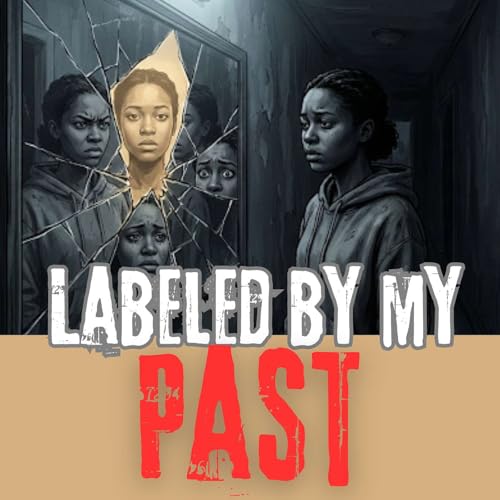
    What if the loudest thing shaping your life isn’t your schedule or your goals, but the name tag on your heart? We go after identity drift—the slow slide from living as God names you to living as pain, people, and performance define you—and map a way back to solid ground.

    We start with a clear definition of identity drift and a vivid name tag metaphor that makes invisible labels visible. Then we trace how early voices and formative moments harden into scripts you carry for years, even after salvation. You’ll hear five signs you’re drifting—leading with roles, living in comparison, imagining God only tolerates you, letting your past dictate your future, and swinging between pride and self-hate—and why each sign quietly sabotages joy, relationships, calling, and resilience.

    From there, we expose five common paths into false identity: wounds that named you, sins that became essence statements, religious performance that ties worth to report cards, cultural markers elevated above being in Christ, and role lock where “I am what I do for others” replaces “beloved.” We show how identity functions like an engine under everything—mind, body, time, gifts, and money all orbit your deepest answer to “Who am I?”—and why switching engines changes your whole trajectory.

    You’ll get a practical, compassionate framework to move from default to design: write your honest I am statements, name their sources, ask whether Jesus agrees, replace them with scriptural truth, and pray through one tag at a time until your reflex shifts. Expect clear prompts, reflection questions, and Scripture anchors to carry into your week so you can trade “not enough” and “too much” for beloved, forgiven, adopted, new, and righteous in Him.


    🧠 Identity Drift – Design Check-In Questions

    Who has had the loudest voice in shaping my identity lately?

    What “name tags” have I been quietly wearing that don’t come from God?

    What past wound, mistake, or season still feels like “who I am” instead of “what I went through”?


    IDENTITY DRIFT – “WORDS TO LIVE BY” CHEAT SHEET

    1. I Am a New Creation

    Declaration:

    In Christ, I am a new creation. My old identity does not define me anymore.

    Key Scripture:

    • 2 Corinthians 5:17 – “If anyone is in Christ, he is a new creation. The old has passed away; behold, the new has come.”
    • (Support) Ephesians 4:22–24 – Put off the old self… put on the new self.

    2. I Am Chosen and Beloved

    Declaration: I am chosen by God and deeply loved, not overlooked or accidental.

    Key Scripture:

    • Ephesians 1:4 – He chose us in Him before the foundation of the world.
    • 1 Peter 2:9 – You are a chosen race… a people for His own possession.
    • 1 John 3:1 – “See what kind of love the Father has given to us, that we should be called children of God; and so we are.”


    Truth Be Told Project Podcast introduction

    Support the show

    Website: truthbetoldproject.com

    Catch Us on YouTube: www.youtube.com/@Truthbetold2You

    Go to the website to sign up for the monthly newsletter coming soon.

    Follow Us on

    Facebook: https://www.facebook.com/mrtruthbetold2u


    Afficher plus Afficher moins
    42 min