Épisodes

  • HLS01E24 Coaching
    Feb 4 2025

    Executive coaching is a powerful tool for leaders looking to navigate career transitions, refine their leadership style, or create a more fulfilling work-life balance. Unlike mentorship or therapy, coaching provides a structured and strategic approach to personal and professional growth. Through guided self-discovery, accountability, and action planning, executive coaching helps leaders uncover blind spots, improve decision-making, and develop behaviors that lead to long-term success. Whether stepping into a new leadership role or seeking to reduce workplace stress, coaching creates space for clarity, confidence, and meaningful change.

    Despite the term "executive," coaching isn't just for CEOs. It’s best suited for individuals at the director level and above—those with strategic oversight, leadership responsibilities, and a desire to make a significant change. It’s particularly beneficial for professionals seeking to grow into a leadership role, adjust to a new position, navigate workplace challenges, or improve work-life balance. However, coaching isn’t for everyone. If you’re looking for direct answers, quick fixes, or a mentor to tell you what to do, coaching may not be the right fit. Instead, it’s a process of guided reflection and action that requires a commitment to change.

    For those considering coaching, finding the right coach is crucial. Because the coaching industry is unregulated, it’s important to look for professionals with credentials from the International Coaching Federation (ICF) or strong recommendations from trusted colleagues. Compatibility also matters—coaching is most effective when you feel comfortable being open and honest with your coach. Before committing, a discovery call can help assess if the coach’s expertise aligns with your goals. Additionally, many companies offer funding for executive coaching, so exploring employer-sponsored options can be a worthwhile step.

    Key Questions Discussed In the Podcast

    1. How can executive coaching help leaders navigate career transitions and personal growth?
    2. What should you look for when selecting the right executive coach?
    3. How do you know if executive coaching is the right investment for your career?

    Resources:

    Sign up for complimentary VIP executive roundtables where we will discuss the hottest leadership trends, enable senior leaders to network, and create a strong community of leaders to support one another . This is an invite-only event.

    For a chance to get on the list, please send us a message at: https://swim-against.com/contact


    Afficher plus Afficher moins
    10 min
  • How to Decrease Holiday Stress as a Leader
    Nov 25 2024

    The holiday season can bring joy and celebration, but for leaders, it often comes with added stress. Balancing end-of-year deadlines, festive obligations, and personal holiday expectations can create a perfect storm of stress and pressure. Leaders face unique challenges, from managing team productivity during holiday absences to maintaining morale while trying to deliver results. On top of this, many seek to create a perfect holiday experience for those around you. That’s a lot! Without a clear plan and realistic expectations, the season can quickly become overwhelming.

    This week, I’m sharing actionable strategies to help leaders enjoy the holiday season while staying productive. By planning ahead, setting boundaries, and embracing realistic expectations, leaders can reduce stress for themselves and their teams. With the right approach, the holidays can be a time of connection and celebration without sacrificing holiday traditions and professional obligations.

    Key Questions Discussed In the Podcast

    1. How can leaders balance holiday festivities with end-of-year productivity and deadlines?
    2. What strategies can help leaders reduce personal holiday stress while supporting their teams?
    3. How can leaders plan ahead to ensure a joyful and manageable holiday season for their organizations, their family, and themselves?

    Resources:

    How to Keep the 'Happy' in the Holidays, UCI Health, October 28, 2024

    Holiday Stress and the Brain, Harvard Medical School, Winter 2016

    Employee Gifting:

    Goody or Choose Your Gift

    Outsource Holiday Tasks:

    Task Rabbit or Thumbtack

    Executive Coaching to decrease stress in your work life in 2025:

    Amy@swim-against.com


    Afficher plus Afficher moins
    13 min
  • Manager's Guide: Coaching to Drive Behavior Change
    Nov 12 2024

    Coaching your employees to demonstrate the behaviors you want to see is key to their growth, your effectiveness as a leader, and the overall success of the organization. When you invest time in guiding employees toward productive behavior, it positively impacts team dynamics, reduces friction, and drives results. As a leader, coaching allows you to empower high-potential employees to become more successful, ultimately creating a more cohesive and high-performing team that can accomplish ambitious goals together.

    This week, I’m going to give you 5 concrete and actionable steps to coaching that can help you get the best out of your team and align everyone toward shared goals. From setting clear expectations to fostering accountability, these steps will help you lead constructive conversations that inspire meaningful change. With these techniques, you’ll be able to address behavioral gaps in a supportive way, creating a positive shift in your team while driving engagement and performance across all stakeholders.

    Key Questions Discussed In the Podcast

    1. What are the key steps for coaching employees toward behavior changes that support team success?
    2. How can leaders effectively provide feedback on behavior without discouraging high-potential employees?
    3. How can you approach feedback conversations using a coaching approach so employees feel positively motivated to enact the change?


    Afficher plus Afficher moins
    12 min
  • Annual Planning
    Oct 29 2024

    Annual planning is a critical step in ensuring the success of your business and your effectiveness as a leader. It acts as the North Star that provides direction for the upcoming year, aligning your team’s efforts with the company's overarching goals. Without it, you risk disorganization, inefficient resource allocation, and missed opportunities. By setting clear goals, allocating resources wisely, and outlining strategic priorities, annual planning helps to streamline operations and keep everyone focused on what matters most. For leaders, it’s an opportunity to reflect on past successes and failures, improve team collaboration, and establish a clear vision for the future.

    This week I tell the story of a Silicon Valley company where I played a key role in guiding the annual planning process. Before implementing annual planning, the company was struggling with misaligned departments, frequent conflict, and wasted resources. By helping the leadership team introduce an effective annual planning structure, I was able to guide them toward greater alignment and efficiency. Over the course of two years, their annual planning process transformed the company. Collaboration improved, goals were clearly defined, and revenue grew as a direct result of this structured approach.

    Key Questions Discussed In the Podcast

    • How can annual planning help align your team and improve efficiency?
    • What are the key steps to creating an effective annual plan for your business?
    • How can leaders ensure their annual plan remains flexible and adaptable throughout the year?

    Resources:

    · Articles

    Performance through People, Transforming Human Capital into Competitive Advantage - by, McKinsey Global Institute, February 2023.

    Annual Planning: Is it Worth It? - by Mykola Tymkiv


    Swim Against the Current

    Afficher plus Afficher moins
    18 min
  • How to Deliver Difficult Feedback
    Oct 8 2024

    Failing to give honest and constructive feedback can lead to a host of problems for your team. Without feedback, employees may continue to make the same mistakes or operate inefficiently without understanding how to improve. This lack of communication can cause misunderstandings, lower morale, and eventually lead to team dysfunction. Moreover, as a leader, withholding feedback means you miss the opportunity to help your team grow, which can result in missed performance goals, stagnation, and frustration for both you and your team. Providing clear, timely feedback is essential for cultivating a healthy and high-performing team.


    This week I tell the story of Monique, a highly successful CEO whose discomfort with conflict and difficult conversations undermined her leadership team. Because Monique avoided giving critical feedback, her leadership team became plagued with gossip, infighting, and an inability to collaborate. As a result, Monique found herself constantly stepping in to mediate and fix problems, which drained her time and energy. Her reluctance to address the issues head-on had a ripple effect, preventing her team from reaching their full potential and creating a toxic environment.

    Key Questions Discussed In the Podcast

    • What are the risks of not providing honest and constructive feedback to your team?
    • How can leaders deliver difficult feedback effectively using the SBI (Situation, Behavior, Impact) model?
    • How does constructive feedback contribute to building a more collaborative and high-performing team?

    Resources:

    • Two-Thirds of Managers Are Uncomfortable Communicating with Employees - by Lou Solomon, Harvard Business Review, March 2016
    • Optimizing Positive Feedback - by Dr. Joel M. Rothaizer, MCC, Forbes, Sept. 2023

    ---

    Contact Amy to train your team on how to give constructive feedback: amy@swim-against.com


    Afficher plus Afficher moins
    15 min
  • How to Foster Better Team Collaboration
    Sep 17 2024

    Getting the most beneficial collaboration out of your team isn’t just good for the team—it’s good for you and your company as well. Effective collaboration helps team members share diverse ideas, pool knowledge, and work toward common goals, which leads to better problem-solving and improved outcomes. As a manager, fostering this collaboration creates a more efficient and harmonious environment, reducing the need for constant intervention. For your company, collaborative teams are more innovative, resilient, and productive, making the business stronger and more competitive in the long run.

    Collaboration can be undermined when a scarcity mindset and competition rear up. When resources like time, budget, or recognition feel limited, team members may become more competitive, holding back information to get ahead. This creates silos rather than fostering cooperation. In addition, when leaders or team members don’t show vulnerability or create a safe space for open dialogue, trust is eroded, making collaboration even more difficult. To build a truly collaborative team, leaders must model transparency and focus on creating an abundance mindset, where the emphasis is on what’s possible rather than what’s lacking.

    Key Questions Discussed In the Podcast

    • How can leaders foster a more collaborative and high-performing team?
    • What role does scarcity mindset play in undermining collaboration, and how can it be overcome?
    • How can showing vulnerability as a leader improve team communication and trust?

    Resources:

    • Why Collaboration Yields Improved Productivity (And The Science Behind It) - by Kate Vitasek, Forbes March 8th, 2022
    • Why Collaboration Is Critical in Uncertain Times - by Jenny Fernandez, Kathryn Landis, and Julie Lee, Harvard Business Review February 13th, 2024
    • New Study Finds That Collaboration Drives Workplace Performance - by Adi Gaskell, Forbes December 10th, 2021
    • Cues of working together fuel intrinsic motivation - by Priyanka B. Carr, Gregory M. Walton, Journal of Experimental Social Psychology July 2014

    https://swim-against.com/contact/

    Afficher plus Afficher moins
    13 min
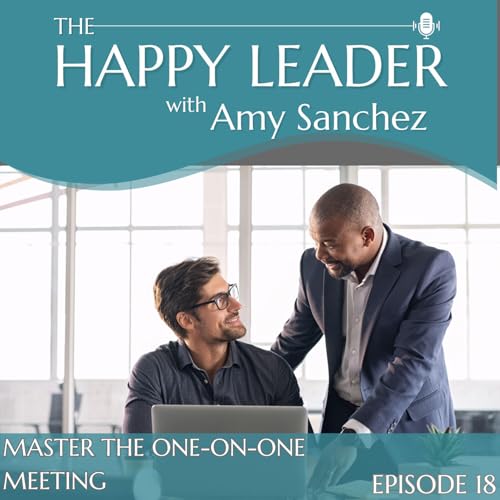
  • Mastering the One-on-One Meeting
    Sep 3 2024

    One-on-one meetings between leaders and their direct reports are essential for the success of both the team and the manager. These meetings create a dedicated space for meaningful communication, allowing managers to understand their employees' challenges, aspirations, and motivations. By investing time in these regular check-ins, leaders can build trust, foster engagement, and create a supportive environment where employees feel valued. This connection not only boosts team morale but also directly contributes to the overall effectiveness of the manager, as it enables them to stay in tune with the needs and progress of their team.

    To make the most out of one-on-one meetings, it's important to approach them with intention and structure. Best practices include setting a consistent schedule, allowing employees to build the agenda, and focusing on topics beyond just project updates. These meetings should be a time to check in on well-being, explore team dynamics, discuss professional development goals, and provide constructive feedback. They shouldn’t be a meeting to merely get updated on projects and deliverables. When done right, one-on-one meetings can be uplifting for employees, giving them a sense of purpose and direction while reinforcing their connection to the organization. By creating a safe space for open dialogue, managers can inspire greater initiative and commitment from their team members.

    Key Questions Discussed In the Podcast

    • How can one-on-one meetings improve employee engagement and overall team success?
    • What are the best practices for conducting effective one-on-one meetings with your direct reports
    • How can leaders use one-on-one meetings to uncover and address potential issues before they escalate?

    Resources:

    • HBR Article: Make the Most of Your One-On-One Meetings
    • Research: https://www.gallup.com/services/182138/state-american-manager.aspx
    • Reach out to Amy for the 1:1 Meeting Template: https://www.linkedin.com/in/amy-sanchez/


    Afficher plus Afficher moins
    24 min
  • Improve Leadership Team Performance
    Aug 20 2024

    In any organization, leadership behavior significantly influences the overall culture and effectiveness of the organization. But oftentimes, this predominant style can go unrecognized for years until the organization decides to tune in. When an organization is ready to take a hard and honest look at the strengths and weaknesses of the leadership team in an effort to improve the entire organization, levering a diagnostic tool can be helpful.

    One of the most effective tools for identifying and understanding leadership traits is the DiSC framework. DiSC categorizes leadership styles into four primary types: Dominance (D), Influence (I), Steadiness (S), and Conscientiousness (C). By learning the predominant DiSC style of the leadership team, organizations can gain valuable insights into the motivations and behaviors of their top leaders whose impact is trickling down throughout the company. This knowledge helps to identify strengths- which can then be amplified- and also blind spots—areas where a leadership team's predominant style may hinder progress or create challenges. Once these blind spots are recognized, strategies can be implemented to address them, leading to a more efficient and effective organization. This episode dives into exactly how to do that.

    Key Questions Discussed In the Podcast

    • How can understanding different leadership styles improve team dynamics and overall organizational performance?
    • What are the key traits of each DISC style, and how do they influence decision-making and team management?
    • How can identifying and addressing leadership blind spots through the DISC framework lead to more effective management and increased organizational success?

    Resources:

    • What is Affinity Bias, and Why Does it Matter, Forbes, 2/21/2024
    • Everything DiSC
    • Swim Against The Current


    Afficher plus Afficher moins
    20 min