Épisodes

  • Windows to the Soul, Mirrors to the Heart
    Feb 19 2026

    In this episode of The Gentle Inquiry, we turn our collective gaze inward—not through meditation, but through the remarkable lens of the human eye. Join us for a soothing deep dive into the world of "oculomics," where the delicate textures of your retina are no longer just for vision, but act as a biological map for your entire body.


    We explore how recent advancements in deep learning allow researchers to peer through the "windows to the soul" to predict chronic kidney disease, cardiovascular risks, and even early signs of neurodegenerative conditions long before symptoms surface. From the quiet efficiency of natural language processing in clinics to the expanding reach of teleophthalmology in underserved regions, this episode investigates a digital evolution that is shifting medicine from reactive treatments to proactive intervention.


    It’s a story of data meeting empathy, and technology uncovering the quiet signals our bodies have been sending all along.

    Afficher plus Afficher moins
    25 min
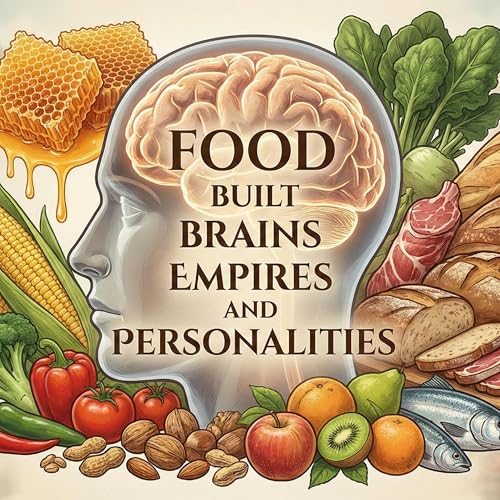
  • How Food Built Brains, Empires, and Personalities
    Feb 17 2026

    Can a recipe tell a thousand-year story? In this episode of The Gentle Inquiry, we explore how the food on our tables serves as a living bridge between history, health, and global culture.

    We journey from the rugged diets of the Stone Age through the evolving social classes of Britain, uncovering how nutrition and status have shifted over centuries. Shifting from the historical to the global, we also dive into the Global Table Adventure—a culinary mission to bridge cultural gaps and transform picky eating into global exploration, one country at a time.

    In this episode, you’ll discover:

    • How British dietary evolution mirrors the rise and fall of social structures.

    • The power of Global Flavors in teaching empathy and anthropology to children.

    • Practical ways food acts as a tool for human development and health.

    Join us as we pull back the curtain on the cultural significance of what we eat, proving that every bite is an invitation to understand the world a little better.

    Afficher plus Afficher moins
    17 min
  • How Buildings Hack Your Brain
    Feb 13 2026

    Can a skyscraper change your serotonin levels? Why does a cozy cottage feel like a "guardian of identity"?

    In this episode, we dive into the profound psychological bond between our minds and the structures we inhabit. We explore the philosophy of Alain de Botton, who views architecture as a reflection of our inner virtues, and examine groundbreaking research from the University of Waterloo on how urban design directly impacts brain biology and social stress.

    We’ll discuss why no building is ever truly neutral—either serving to foster community and tranquility or triggering feelings of isolation and disorientation. Join us as we move beyond "mere aesthetics" to discover how the built environment reflects our deepest values and shapes our collective happiness.

    Afficher plus Afficher moins
    39 min
  • Movement, migration, and survival in nature
    Feb 10 2026

    These scientific and educational resources explore the biological mechanisms and ecological significance of animal movement and survival. One primary focus is how body mass and metabolic efficiency allowed ancient megafauna to endure rapid environmental shifts, though many eventually faced extinction. Recent marine research further demonstrates that physiological health, such as lipid levels in blue sharks, directly dictates how far and how fast predators can travel through the ocean. While some species like humpback whales maintain highly precise routes during migration, other animals may rely on internal biological triggers rather than exercise to stay physically fit for such grueling journeys. Together, these texts illustrate that animal behavior is a complex blend of evolutionary strategy, nutritional status, and navigational instinct. These narratives also serve as educational tools to teach young learners about resilience and the intricate wonders of the natural world.

    Afficher plus Afficher moins
    16 min
  • The Quiet Mindset - Reclaim Your 110 Bits Attention
    Feb 6 2026

    These materials examine the intersection of mindfulness, clinical hypnosis, and Stoic philosophy as practical tools for enhancing mental health and managing physical pain. Scientific research within the texts highlights how mindful breathing and heart rate variability serve as physiological indicators of stress regulation and recovery. Complementing this clinical perspective, the writings on Stoicism offer ancient strategies for maintaining emotional stability by focusing on what remains within an individual’s personal control. The collection further explores how these concepts align with modern Cognitive Behavioral Therapy, emphasizing the importance of transforming irrational beliefs into rational perspectives. Together, the sources advocate for self-awareness and consistent practice to foster resilience against life's various challenges. Professional resources also provide guidance on clinical training and academic publishing for practitioners in these therapeutic fields.

    Afficher plus Afficher moins
    28 min
  • The Wood Wide Web's Underground Economy
    Feb 3 2026

    These sources explore the "wood wide web," a complex underground network of mycorrhizal fungi that connects trees and facilitates the exchange of nutrients, water, and chemical signals. Central to this discussion is the work of ecologist Suzanne Simard, who identified "mother trees" as vital hubs that support forest health and seedling survival. While popular media and children's educational materials often celebrate this system as a harmonious community, scientific literature presents a more nuanced view of these complex adaptive systems. Recent academic debates highlight a growing tension between inspiring metaphors of forest intelligence and the need for rigorous, evidence-based research. Ultimately, the texts illustrate how fungi are essential to ecological sustainability and the potential recovery of the biosphere following environmental catastrophes.

    Afficher plus Afficher moins
    36 min
  • Painting With Snails, Arsenic, and Mummies
    Jan 31 2026

    These sources examine the historical and cultural transformation of the color blue, tracing its journey from an overlooked hue in antiquity to a dominant symbol of nobility and divinity. While ancient Greek and Roman societies lacked a precise vocabulary for blue, the Middle Ages marked a turning point where it became synonymous with the Virgin Mary and royal heraldry. This shift was fueled by the use of highly expensive pigments like lapis lazuli, which made certain blues more valuable than gold. Beyond art, the texts discuss how technological advances in dyeing and the influence of the Protestant Reformation helped transition blue into a marker of morality and respectability. Ultimately, blue evolved into a modern favorite, representing everything from romantic melancholy to contemporary political and professional identities. The provided excerpts highlight a multidisciplinary interest in how the materiality of pigments reflects deeper societal values and aesthetic evolution.

    Afficher plus Afficher moins
    31 min
  • Celestial Mechanics for the Overloaded Brain
    Jan 29 2026

    These sources collectively examine how intentional engagement with nature and meaningful storytelling can improve human performance, well-being, and education. One primary text highlights that immersive wilderness experiences can boost workplace productivity and mental clarity by allowing the brain to enter a restorative "alpha state." Complementary materials provide practical educational tools, using astronomy and physics simulations to teach students about gravity and celestial mechanics through interactive coding and stargazing. The collection also emphasizes the cognitive and emotional advantages of bedtime stories, noting their ability to strengthen familial bonds and develop language skills. Ultimately, the texts advocate for unplugging from digital distractions to foster deeper connections with the physical world and one another. Together, they suggest that integrating natural environments and traditional rituals into modern life is essential for long-term resilience and growth.

    Afficher plus Afficher moins
    18 min