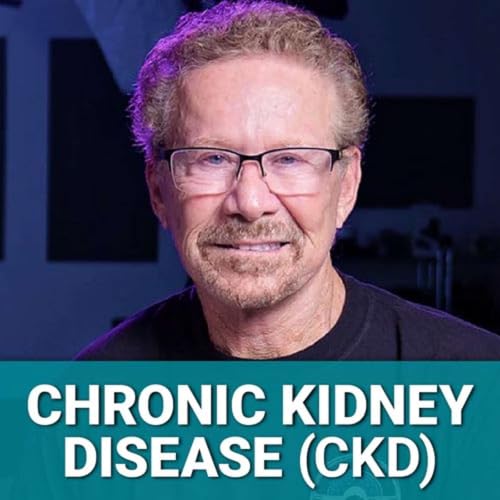
Couverture de Taking Control Of Your Diabetes® - The Podcast!

Taking Control Of Your Diabetes® - The Podcast!

Taking Control Of Your Diabetes® - The Podcast!

De : Taking Control Of Your Diabetes®
Écouter gratuitement

Offres de saison | 0,99 € par mois pendant les 3 premiers mois

5,99 €/mois par la suite. Des conditions s’appliquent. Annulation mensuelle possible.
Welcome to Taking Control Of Your Diabetes® - The Podcast, an edutaining show all about highs and lows of living with diabetes. Hosted by Dr. Steve Edelman and Dr. Jeremy Pettus, both endocrinologists who have been living with diabetes themselves since they were 15, we’re discussing the important topics that people living with diabetes need to know—and no topic is off-limits. From the latest advancements in diabetes medications and devices, to interviews with some of the best minds in diabetes, to personal stories about the ups and downs of dealing with this condition 24/7, we’re tackling what it means to live with diabetes in modern times. And we promise to make you laugh along the way, because sometimes we just need to laugh at the craziness that comes with living with diabetes. Tune in for a new episode on the last Monday of every month! Like what you hear and want to help us grow? Please rate and review this podcast so we can reach more people living with diabetes! VISIT: tcoyd.org | FOLLOW: tcoyd.org/contact | EMAIL: podcast@tcoyd.org APPLE PODCAST RATING: 4.9/🌟🌟🌟🌟🌟Taking Control Of Your Diabetes® Hygiène et vie saine Maladie et pathologies physiques Psychologie Psychologie et psychiatrie
Épisodes
  • Once-Weekly Insulin: Most Exciting Advance in Years?
    Oct 8 2026


    What if you could take your basal insulin once a week instead of every day? Once-weekly basal insulin has arrived, offering a new approach that could make insulin therapy simpler while providing glucose control comparable to daily basal insulin.
    In this episode, Dr. Steve Edelman is joined by Dr. Athena Philis-Tsimikas, a leading diabetes researcher who has been directly involved in clinical trials of once-weekly basal insulins. Together, they explain how these ultra-long-acting insulins work, how a single injection can provide steady background insulin throughout an entire week, and what studies have shown when once-weekly insulin is compared with traditional daily basal insulin.

    The conversation gets practical with how once-weekly insulin is started, adjusted, and switched from daily basal insulin. Dr. Edelman and Dr. Philis-Tsimikas discuss the dosage differences with once-weekly basal insulin, how concentrated insulin keeps the actual injection volume small, and how fasting glucose can help guide dose adjustments. They also discuss what happens if you miss a dose and why reaching a steady state is an important part of understanding how these longer-acting insulins work.
    They also dive into the clinical trial results, including A1C, time in range, and hypoglycemia. In studies of people living with type 2 diabetes, once-weekly basal insulin provided similar A1C lowering to daily basal insulin without an increase in hypoglycemia. They also explain why the story is different for people living with type 1 diabetes, where studies found higher rates of hypoglycemia with weekly basal insulin, and what that means for its use in the United States.
    Finally, Dr. Edelman and Dr. Philis-Tsimikas look at how once-weekly insulin could make diabetes management easier. Going from seven basal injections a week to just one could help reduce some of the daily burden of diabetes and make it easier to consistently take your insulin. They also explore using weekly insulin alongside GLP-1 medications, potential combination therapies, cost and access, and what we still need to learn as these newer insulins move from clinical trials into everyday diabetes care.

    Key Topics

    • How once-weekly basal insulin works
    • Once-weekly vs. daily basal insulin
    • Starting, dosing, and adjusting weekly insulin
    • Why weekly insulin doses may look surprisingly large
    • A1C, time in range, and hypoglycemia results
    • What to do if you miss a weekly dose
    • Once-weekly insulin in type 1 vs. type 2 diabetes
    • Who may benefit from once-weekly insulin?
    • Reducing the burden of daily injections
    • Using once-weekly insulin with GLP-1 medications
    • Future insulin and GLP-1 combination therapies
    • Cost, access, and real-world considerations
    • What the future of basal insulin could look like


    This episode was supported by Lilly.
    Subscribe for practical diabetes management tips, expert conversations, and the latest advances in diabetes care to help people living with diabetes live healthier, more confident lives.

    ★ Support this podcast ★
    Afficher plus Afficher moins
    29 min
  • CGM-Guided Insulin Initiation and Titration in Type 2 Diabetes
    Sep 28 2026

    Managing type 2 diabetes can change over time, but having the right information for your patients can make those changes feel a lot more manageable. CGM can help your patients see what’s happening with their blood sugar and guide what comes next.


    In this episode of the TCOYD Podcast, Dr. Steve Edelman and Dr. Jeremy Pettus discuss how continuous glucose monitoring is changing the way type 2 diabetes is managed for your patients, especially as treatment needs evolve over time. They explain why type 2 diabetes can progress from lifestyle changes and oral medications to GLP-1 therapies and insulin, and why needing insulin isn’t a personal failure. They also explore how seeing glucose data in real time can help your patients better understand how meals, exercise, medications, and insulin affect their glucose throughout the day.
    The conversation gets practical with how CGM can help guide your patients’ transition to basal insulin, make insulin adjustments easier and safer, and identify when mealtime insulin may be needed. Dr. Edelman and Dr. Pettus explain what overnight glucose patterns can tell you about your patients’ basal insulin dose, how to recognize post-meal spikes, and why starting mealtime insulin doesn’t necessarily mean adding injections at every meal for your patients. They also discuss newer basal insulins, avoiding too much basal insulin, and how automated insulin delivery systems may fit into the future of type 2 diabetes management.
    Ultimately, CGM gives your patients living with type 2 diabetes more than glucose numbers. It provides feedback that can help them recognize patterns, see how their treatment is working, and work with their healthcare team to make more informed adjustments as their diabetes management needs change.

    Key Topics

    • Why type 2 diabetes treatment needs can change over time
    • How insulin resistance and declining insulin production affect glucose management
    • Why needing insulin is not a personal failure
    • How CGM use is expanding in type 2 diabetes
    • Using CGM with lifestyle changes, oral medications, GLP-1 therapies, and insulin
    • What time in range, GMI, and glucose variability can tell you
    • How CGM can help determine when basal insulin may be needed
    • Using overnight glucose patterns to adjust basal insulin
    • Why insulin titration matters more than the initial starting dose
    • How CGM can make insulin adjustments easier and safer
    • When mealtime insulin may be needed
    • Why mealtime insulin doesn’t always have to be taken with every meal
    • How to recognize and avoid too much basal insulin
    • The benefits of newer long-acting basal insulins
    • When patients with type 2 diabetes may want to consider an insulin pump or automated insulin delivery system
    • How real-time glucose feedback can help people take a more active role in their diabetes management

    Subscribe for practical diabetes management tips, expert conversations, and the latest advances in diabetes care to help people living with diabetes live healthier, more confident lives.

    ★ Support this podcast ★
    Afficher plus Afficher moins
    34 min
  • Kidney Disease: Steve Edelman's Own Nephrologist Explains
    Sep 8 2026

    Chronic kidney disease (CKD) is one of the most common complications of diabetes, but here’s the tricky part: you can have it for years without feeling any symptoms. The good news? Kidney disease can often be detected early, and with the right screening, treatments, and lifestyle changes, its progression can be dramatically slowed.

    In this episode, Dr. Steve Edelman and Dr. Jeremy Pettus are joined by nephrologist Dr. Bethany Karl to break down what everyone with diabetes should know about kidney health. Dr. E also steps into the patient seat to share his own experience living with chronic kidney disease, from discovering it without symptoms to navigating kidney tests and newer treatments. Together, they explain the two simple tests that can uncover kidney problems, why blood pressure and cardiovascular health matter, and how today’s growing toolbox of medications is giving people with diabetic kidney disease more reasons for hope.


    Key Topics:

    • Why chronic kidney disease is often a “silent” complication of diabetes
    • How diabetes can affect the kidneys over time
    • Dr. Edelman’s personal experience with diabetic kidney disease
    • The two important kidney tests: eGFR and UACR
    • Why urine protein can be an important early warning sign
    • How often people with diabetes should have their kidneys screened
    • The connection between glucose, blood pressure, cholesterol, heart health, and kidney health
    • Lifestyle considerations for protecting kidney function
    • Medications that can help slow the progression of diabetic kidney disease
    • Newer kidney-protective therapies and why there is more reason for optimism today

    ✨ Subscribe for practical diabetes management tips, technology updates, and treatment breakthroughs that help people with diabetes live healthier, more flexible lives.

    More diabetes resources:
    Website: tcoyd.org
    Blog: tcoyd.org/blog
    Podcast: tcoydthepodcast.transistor.fm
    Instagram: / tcoyd
    Facebook: / tcoyd

    Stay connected! Sign up for our monthly newsletter here!
    Support TCOYD's educational programs: tcoyd.org/donate


    ★ Support this podcast ★
    Afficher plus Afficher moins
    48 min
adbl_web_anon_alc_button_suppression_t1
Aucun commentaire pour le moment