Couverture de Reversing Climate Change

Reversing Climate Change

Reversing Climate Change

De : Carbon Removal Strategies LLC
Écouter gratuitement

3 mois pour 0,99 €/mois

Après 3 mois, 9.95 €/mois. Offre soumise à conditions.

À propos de ce contenu audio

Reversing Climate Change is a podcast that bridges science, technology, and policy with the richness of the humanities. From the forefront of carbon removal and climatetech to explorations of literature, history, philosophy, theology, and geopolitics, we dive deep into the people, ideas, and innovations shaping a better future for the planet and its inhabitants. If you love the show, please become a paid subscriber on Spotify.Carbon Removal Strategies LLC Philosophie Sciences sociales
Les membres Amazon Prime bénéficient automatiquement de 2 livres audio offerts chez Audible.

Vous êtes membre Amazon Prime ?

Bénéficiez automatiquement de 2 livres audio offerts.
Bonne écoute !
    Épisodes
    • 384: Graphyte's Strategy Is a Masterpiece of Simplicity—w/ Barclay Rogers & Hannah Murnen
      Jan 29 2026
      So many people think they need to dream up wild new tech to be successful at carbon removal. But one of CDR's most ascendent companies is relentlessly simple. They're so linear that I scrambled to make sure I wasn't missing something... In fact, if you've ever received coaching from me about simplicity, this is where I'm sending you from now on.I recently completed Noah Deich and Dr. Jen Wilcox's UPenn continuing education course, CDR Executive Education Program/Purchasing Carbon Removal Credits. It was wonderful and I highly recommend it.It did require a few homework assignments and a group project based upon a project developer. I chose Graphyte and their work putting waste biomass into bricks, wrapping them in polymer, and burying them underground. This is part of the class of projects called BiCRS (pronounced "bikers"), or Biomass Carbon Removal and Storage.Today's show has Dr. Hannah Murnen, Graphyte's CTO, and Barclay Rogers, Graphyte's Co-Founder and CEO, on to correct my homework from the course. I've never had a show quite like this.My sincere respect to each of them for digging into this with me and sharing their numbers. Not everyone in CDR is willing or able to do that, and I'm so happy we got to do that together.This show also inspired me to make an episode about linearity vs. holistic thinking in CDR. If one focuses on carbon efficiency, Graphyte makes so much sense. But are we optimizing only for solving climate change, or is this a polycrisis that requires a much deeper and interconnected approach? What you choose may say just as much about your values and how you perceive the problem. Stay tuned...This Episode's Sponsor⁠⁠⁠⁠⁠⁠⁠⁠⁠⁠⁠⁠⁠⁠Philip Lee LLP: legal resources for carbon removal buyers and suppliers⁠⁠⁠⁠⁠⁠⁠⁠⁠⁠⁠⁠⁠⁠⁠⁠⁠⁠⁠⁠⁠⁠⁠⁠⁠⁠⁠⁠⁠⁠⁠⁠⁠⁠⁠Listen to the RCC episode with Ryan Covington from Philip Lee LLP⁠⁠⁠⁠⁠⁠⁠⁠⁠⁠⁠⁠⁠⁠⁠Resources⁠⁠⁠⁠⁠⁠⁠⁠⁠⁠⁠⁠⁠⁠⁠⁠⁠⁠⁠⁠⁠⁠⁠⁠⁠⁠⁠⁠⁠⁠⁠⁠⁠⁠⁠Become a paid subscriber of Reversing Climate Change⁠⁠⁠⁠⁠⁠⁠⁠⁠⁠⁠⁠⁠⁠⁠⁠⁠⁠⁠⁠⁠⁠⁠⁠⁠⁠⁠Subscribe to the Reversing Climate Change Substack⁠⁠⁠⁠"381: Carbon Removal's False Peak as Mapped by Noah Deich"S2E25: The DAC-up plan for climate change—w/ Dr. Jen Wilcox of Worcester Polytechnic Institute"GraphyteGraphyte's page on its registry, IsometricThe 2024 Project Design Document (PDD) for Graphyte's Loblolly projectUPenn's Purchasing Carbon Removal Credits courseCDR Executive Education ProgramCarbon efficiency is how much of the carbon remains after the source material has been converted into a form of carbon removal, e.g. Graphyte loses very little carbon back to the atmosphere between waste biomass, processing, and burial. Biochar has a lower carbon efficiency because more carbon is released during pyrolysis. It isn't the only factor that matters, but has major repercussions for calculating net removals and which project types are suitable for which goals.PolycrisisI had to dig to figure out where I got the Nintendo insight from, but it originates from Richard Rumelt's Good Strategy Bad Strategy: The Difference and Why It Matters.
      Afficher plus Afficher moins
      58 min
    • 383: The Biochar Company Owned by a Data Center Company Owned by Private Equity—w/ Alastair Collier, A Healthier Earth
      Jan 20 2026

      Are we thinking about biochar financial strategy all wrong? It's not often a good fit for venture capital, but is it actually a great fit for private equity? It might be, at least if you can get the ticket size big enough...

      Today's guest is Alastair Collier, Chief R&D Officer at A Healthier Earth, a biochar project developer that is a wholly-owned subsidiary of Pure DC, a data center project developer, who is supported by Oaktree Capital Management, a private equity firm (which in my understanding, does several other things beyond private equity.)

      Alastair explains how A Healthier Earth went down this road, why he's okay with giving up ownership of his company and accepting a management compensation plan rather than looking to a venture-backed exit, and why more biochar project developers should obsess over conventional business metrics rather than why biochar is going to save the world.

      Whether one wants to chart the same course or not, it's important for all those who work in carbon removal to know what kinds of deals are possible in what may prove to be a challenging 2026.

      Listen up, as Alastair has a lot of valuable advice to share in this one.

      This Episode's Sponsor

      ⁠⁠⁠⁠⁠⁠⁠⁠⁠⁠⁠⁠⁠Philip Lee LLP: legal resources for carbon removal buyers and suppliers⁠⁠⁠⁠⁠⁠⁠⁠⁠⁠⁠⁠⁠⁠⁠⁠⁠⁠⁠

      ⁠⁠⁠⁠⁠⁠⁠⁠⁠⁠⁠⁠⁠⁠Listen to the RCC episode with Ryan Covington from Philip Lee LLP⁠⁠⁠⁠⁠⁠⁠⁠⁠⁠⁠⁠⁠⁠

      Resources

      ⁠⁠⁠⁠⁠⁠⁠⁠⁠⁠⁠⁠⁠⁠⁠⁠⁠⁠⁠⁠⁠⁠⁠⁠⁠⁠⁠⁠⁠⁠⁠⁠⁠⁠Become a paid subscriber of Reversing Climate Change⁠⁠⁠⁠⁠⁠⁠⁠⁠⁠⁠⁠⁠⁠⁠⁠⁠⁠⁠⁠

      ⁠⁠⁠⁠⁠Subscribe to the Reversing Climate Change Substack⁠⁠⁠⁠

      A Healthier Earth

      Pure DC

      Oatkree Capital Management

      Wholly-owned subsidiary (I said "fully" in the intro, which is a synonym but "wholly" is technically more correct)

      Private equity

      Eddington (the newest Ari Aster film that features some of the politics of building data centers, albeit less urban...)

      Deus ex machina

      "The Biochar Blueprint: A developers guide to scale"

      Philip Lee LLP

      Afficher plus Afficher moins
      1 h et 3 min
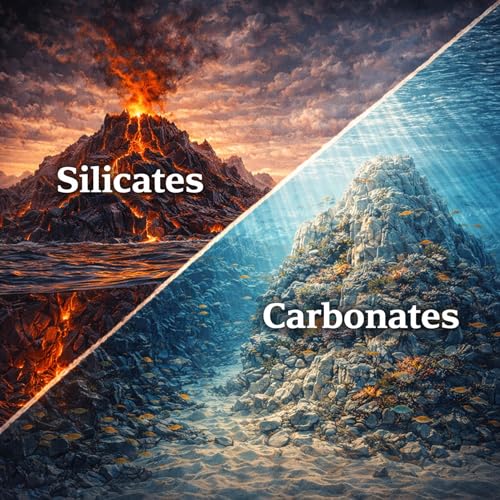
    • 382: Silicates vs. Carbonates: How the 1996 IPCC Report Created Enhanced Rock Weathering Path Dependency—w/ Dr. Tyler Kukla, CarbonPlan
      Jan 15 2026
      Some decisions we don't expect to have big consequences. And yet, sometimes you wake up thirty years later in a world deeply altered by that little moment. Today's show is about when that happens in science.Dr. Tyler Kukla is a Research Scientist at CarbonPlan, one of carbon removal's preeminent watchdog nonprofits. He returns to the show to explore how a conservative estimation of how much carbon returns to the atmosphere after agliming with carbonate rock (all of it) in the 1996 IPCC report has led us into a commercial carbon removal future that focuses almost entirely on silicate rock.This isn't a story about whether silicates or carbonates are better for enhanced weathering (it really depends upon a number of geographic factors and design decisions around system boundaries and additionality), but about how some good faith placeholders can reify to such an extent that they do so much more than they were ever expected to.This Episode's Sponsor⁠⁠⁠⁠⁠⁠⁠⁠⁠⁠⁠⁠Philip Lee LLP: legal resources for carbon removal buyers and suppliers⁠⁠⁠⁠⁠⁠⁠⁠⁠⁠⁠⁠⁠⁠⁠⁠⁠⁠⁠⁠⁠⁠⁠⁠⁠⁠⁠⁠⁠⁠⁠Listen to the RCC episode with Ryan Covington from Philip Lee LLP⁠⁠⁠⁠⁠⁠⁠⁠⁠⁠⁠⁠⁠Resources⁠⁠⁠⁠⁠⁠⁠⁠⁠⁠⁠⁠⁠⁠⁠⁠⁠⁠⁠⁠⁠⁠⁠⁠⁠⁠⁠⁠⁠⁠⁠⁠⁠Become a paid subscriber of Reversing Climate Change⁠⁠⁠⁠⁠⁠⁠⁠⁠⁠⁠⁠⁠⁠⁠⁠⁠⁠⁠⁠⁠⁠⁠Subscribe to the Reversing Climate Change Substack⁠⁠⁠Revised 1996 IPCC Guidelines for National Greenhouse Gas Inventories"Scaling enhanced weathering in limed fields" by Tyler Kukla"Evidence for carbon sequestration by agricultural liming" by Dr. Stephen K. Hamilton, et al"The contribution of agricultural lime to carbon dioxide emissions in the United States: dissolution, transport, and net emissions" by Drs. Tristam O. West & Allen C. McBride"Contribution of agricultural liming to riverine bicarbonate export and CO2 sequestration in the Ohio River basin" by Drs. Neung-Hwan Oh & Peter A. Raymond"Farming with crops and rocks to address global climate, food and soil security" by Dr. David J. Beerling, et alSilicatesCarbonatesAgricultural lime (aglime)Path dependence
      Afficher plus Afficher moins
      1 h
    Aucun commentaire pour le moment