Épisodes

  • The Devil is in the detail: Will the News Bargaining Incentive save media jobs?
    May 8 2026

    About the Guest(s):

    Ricky Sutton is a prominent voice in the media landscape. Currently spearheading Future Media, a thought-leading platform on Substack, Ricky delivers in-depth analysis on the critical shifts in media, particularly around international tech platforms and their effects on local journalism.

    Episode Summary:

    In this episode Wade Kingsley and Natasha Lee delve into the intricacies of the media landscape with industry expert Ricky Sutton. As they sip their drinks, the conversation wanders through topics like the state of journalism amidst job cuts, the evolving digital media paradigm, and Ricky's insightful understanding of the News Media Bargaining Code (NMBC) and its latest iteration, the News Bargaining Incentive (NBI).

    Ricky Sutton breaks down the history, challenges, and future implications of the News Media Bargaining Code, highlighting its initial success and later shortcomings. This world-first legislation aimed to redistribute wealth from tech giants Google and Meta back to Australian media companies, initially fetching a substantial financial injection. However, Ricky explains how these deals began to unravel, with Meta retracting its support post-legislation. Featured prominently, this conversation underscores pressing topics such as media digitisation, job redundancies, and the political hesitancy to enforce stronger legislative measures. As Ricky notes, the "defunding" of journalism—an 80% financial erosion over 12 years—raises critical alarms and questions about the future of news media integrity and resilience, especially with looming five-year delays in publisher payouts under the new NBI framework.

    Key Takeaways:

    • Media Job Losses: The dialogue reveals a significant reduction in available positions within media, especially journalism, due to digital evolution and the distribution of responsibilities to fewer employees.
    • News Media Bargaining Code: Initially aimed at infusing revenue into Australian media by taxing entities like Google and Meta, highlighting its limited scope and unexpected outcomes.
    • Advertising vs. Journalism: Meta's strategic focus on advertising through AI content generation, indicates a shift away from traditional news dissemination as a revenue source.
    • News Bargaining Incentive: A new approach aimed at indirectly taxing tech companies and encouraging negotiations with local publishers, albeit with challenges in enforceability and effect.
    • Future Outlook: Continued pressure on government policy refinement in balancing tech influence over local media sustainability.

    Notable Quotes from Ricky Sutton:

    1. "The media industry has been defunded 80 cents on the dollar in the past 12 years."
    2. "Meta is not a social media company; it's an advertising company."
    3. "The solve here is to know how much those companies are making in Australia and tax them on their real earnings."
    4. "If Meta doesn't want to deal with our news, the new tax approach is our shot across the bow, even if it's a Rubik's Cube-level complexity."
    5. "The Media Bargaining Incentive is an attempt to turn the tables, promising tax rebates for good behaviour."

    Resources:

    • Future Media on Substack - Ricky Sutton's blog offering deep analyses into media issues.
    Afficher plus Afficher moins
    29 min
  • Why does the media love gossip?
    May 1 2026

    About the Guest(s):

    Rob Shuter is a celebrated gossip columnist and entertainment reporter known for his prolific work in Hollywood. He is recognised for his ability to deliver exclusive stories and insights into the world of celebrities. Rob is the author of the upcoming book "It Started with a Whisper" and is known for his engaging Substack page, where he provides a continuous stream of exclusive content. His expertise in gossip journalism is complemented by his previous experience as a publicist for major stars like Jennifer Lopez and yes - even P Diddy...

    Episode Summary:

    In this episode of Media Tarts, hosts Wade Kingsley and Natasha Lee engage with the legendary gossip columnist Rob Shuter. They dissect the art of gossip in the media industry and sharing insights into journalism, celebrity culture, and the nuances of the entertainment world. Rob Shuter, with his storied career, sheds light on the intricate dance of curiosity and credibility in the world of gossip reporting.

    Throughout the episode, the trio explores the defining moments of Rob Shuter's career, including his experiences as a publicist for high-profile celebrities. The conversation delves into the ever-pervasive presence of celebrity gossip, the agendas behind the scenes, and the influence of media on public perception. The hosts and their guest also touch on timely topics such as the royal visit by Charles and Camilla to the United States and the implications of Harry and Meghan's independent activities post-royal exit. Whether fans of gossip journalism or those curious about the secrets of Hollywood, listeners are treated to Rob's candid reflections and lively anecdotes.

    Key Takeaways:

    • Gossip Versus Curiosity: Rob Shuter redefines gossip as curiosity, emphasising that curiosity drives intelligent discourse and storytelling.
    • Publicist and Reporter Parallel: The skills of a successful publicist and a reporter are closely aligned, relying on resourcefulness, persistence, and a knack for human stories.
    • Celebrities and Self-Promotion: Insight into how celebrities often actively control their media narratives, including orchestrated media appearances and tip-offs to paparazzi.
    • Royal Family Dynamics: Analysis of the complex relationships within the British royal family and the continuing public intrigue surrounding Harry and Meghan.
    • Career Longevity in Media: The discussion highlights the importance of building and maintaining trustworthy sources and relationships over time in journalism.

    Notable Quotes:

    • "Gossip gets a bad rap; if you take the word gossip and put the word curious in its place, which is all gossip is. I'm a really curious person." – Rob Shuter
    • "Joan Rivers said to me 'Stand in the rain longer than anybody'." – Rob Shuter
    • "I'm not that good at this. I'm just very persistent. I don't stop." – Rob Shuter
    • "You have to put yourself into position to meet sources… I can't afford to have the Lobster, but I can sit at the bar all night." – Rob Shuter

    Resources:

    • Rob Shuter's Substack: Rob Shuter's repository of exclusive celebrity gossip and insights. Substack
    • It Started with a Whisper: Rob Shuter's forthcoming book, promising insider experiences and stories from his career.
    Afficher plus Afficher moins
    32 min
  • Does Meghan Markle deserve the media pile-on?
    Apr 24 2026

    About the Guest(s):

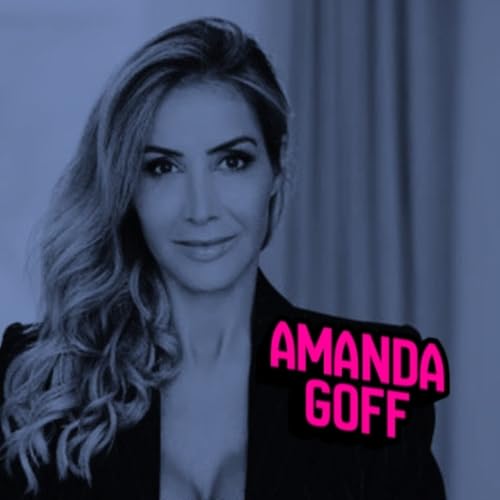
    Amanda Goff is a prominent columnist and author known for her fierce and direct writing style. She writes for the Daily Mail and has released three memoirs detailing her diverse experiences in the adult industry.

    Episode Summary:

    In this lively episode of Media Tarts, hosts Wade Kingsley and Natasha Lee, along with guest Amanda Goff, dive into the highly-discussed media coverage of Meghan Markle's recent visit to Australia. The trio explores the sharp criticism Meghan has faced and whether the coverage has crossed into a territory of unwarranted nastiness.

    Throughout the episode, the conversation progresses to dissect the societal fascination and disdain targeted at Meghan Markle, reflecting on whether her actions warrant the intensity of the media's scrutiny. In an engaging discussion, Wade, Natasha, and Amanda unpack layers of gender critique, public accountability, and media responsibilities, analysing whether female critics approach Meghan more harshly due to heightened perceptivity of her actions. Another focal point is the intricate dynamics of a polarised public where opinions shift and clash starkly, such as in Meghan's case.

    Key Takeaways:

    • The media often reflects public sentiment, but it's crucial to differentiate between criticism and undue harshness, especially in media coverage of public figures like Meghan Markle.
    • Criticism towards Meghan Markle stems not only from her public actions but also from the perception of disingenuousness and hypocrisy.
    • Journalists must balance their responsibilities in reporting honestly while not fuelling unwarranted media pile-ons.
    • Media coverage may at times lean towards a personal bias, especially when gender dynamics are involved, highlighting a differential treatment in media narratives.
    • There's a strong public and media interest in Meghan Markle's life, often creating a polarising divide that mirrors larger societal viewpoints.

    Notable Quotes:

    • Amanda Goff: "I cannot stand that woman for many reasons… If the audience doesn't like you, then, right, you're not going to make the money."
    • Wade Kingsley: "I feel like the coverage has gone to a different level of nastiness."
    • Natasha Lee: "The public is a lot more cluey than people give us credit for, and we can pick up when somebody is genuine and when they're not."
    • Amanda Goff: "With journalists, we can't be too nasty because we leave that to the public."

    Resources:

    • Amanda Goff's Instagram: @amandagoffofficial
    Afficher plus Afficher moins
    31 min
  • What happens on the inside of a media merger?
    Apr 17 2026

    About the Guest(s):

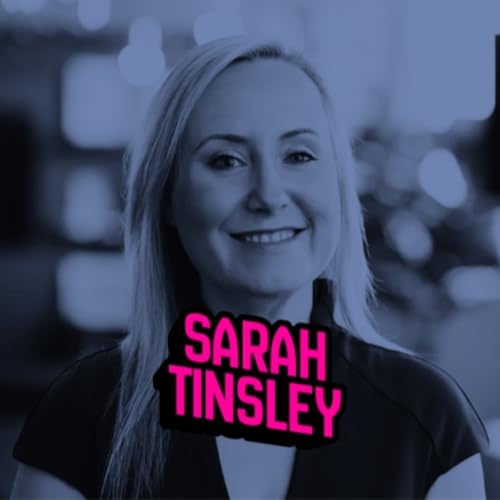
    Sarah Tinsley is a prominent legal expert specialising in media and technology. With an impressive career spanning roles at major organisations such as SCA, ARN, and Fairfax, she has played a crucial role in some of Australia’s most significant mergers and acquisitions in the media sector. Currently, Sarah serves on multiple boards and remains deeply involved in the industry, continually contributing her extensive knowledge and expertise. Her insights into the intricacies of media deals, regulatory challenges, and the dynamics of corporate law make her a sought-after voice in discussions about the Australian media landscape..

    Episode Summary:

    In this episode of Media Tarts, hosts Wade Kingsley and Natasha Lee explore recent M&A activity in Australia. Their conversation dives into the complexities involved in these high-stakes transactions, shedding light on the behind-the-scenes processes that often remain hidden from the public eye. Sarah shares her experiences and observations from working on numerous deals, highlighting the pressures and pressures faced by those involved, from lawyers to executives.

    Amidst talk of recent mergers, including Nine Entertainment’s acquisition of QMS Media and the notable Seven West Media and SCA deal, the episode tackles what makes such transactions intriguing. Sarah outlines what triggers the initial conversations leading to a deal and the legislative labyrinth that often complicates proceedings.

    Key Takeaways:

    • The media industry is highly interconnected, making face-to-face discussions pivotal in initiating mergers and acquisitions.
    • Regulatory challenges can add complexity to media deals, influencing how swiftly transactions can be completed.
    • The dynamics of corporate negotiations often involve personal relationships and prior connections, facilitating or complicating the deal-making process.

    Notable Quotes:

    1. “The number of deals that I've worked on that haven't come about is far larger and probably even more interesting.” - Sarah Tinsley
    2. "Sometimes it depends a lot on what sort of deal it is, what sort of company it is.” - Sarah Tinsley
    3. “We snuck in there and it got done, you know, really efficiently.” - Sarah Tinsley discussing regulatory approvals.
    4. “It was a funny conversation to say, by the way, if you look at the asset list, there's a couple of things on there that you might want to have a look at.” - Sarah Tinsley

    Resources:

    • Media Week – the news source where Natasha Lee reports on the Australian media.
    Afficher plus Afficher moins
    34 min
  • Why don't some people in the media ask tougher questions?
    Apr 10 2026

    About the Guest(s):

    Josh Szeps - Josh Szeps is an acclaimed broadcaster, columnist, and podcast host known for his critically engaging insights into media and culture. Widely recognised for his work on the "Uncomfortable Conversations" podcast, Josh brings a nuanced perspective to issues that divide public opinion. As a columnist for the Australian Financial Review, he contributes thought-provoking commentary on contemporary events. His background includes extensive media experience, with a distinct presence in both Australian radio and television, as well as international platforms, including work in the American media landscape.

    Episode Summary:

    In the first episode of Media Tarts, hosts Wade Kingsley and Natasha Lee dive into the lively world of media controversies and public figures, highlighting the intricate dance between media coverage and celebrity allure. Joining them is bon vivant and media aficionado, Josh Szeps, whose insights into the media spectacle surrounding celebrities anchor the discussion. The hosts unravel why media personalities like Kyle Sandilands attract such fascination and scrutiny, touching on their influence and the often sycophantic coverage they receive. This episode unpacks the broader dynamics of media and fame, exploring the culture of celebrity worship and the challenges within Australian journalism to tackle these figures with necessary depth.

    Exploring the parallels between Kyle Sandilands and global figures like Donald Trump, the conversation shifts to the responsibilities of journalism in providing critical perspectives. Szeps offers his unique take on how the current media landscape frequently shies away from hard questions, leading to missed opportunities for accountability. In a thought-provoking dialogue, they examine the broader implications for democracy when media fails to challenge powerful figures. Delving into the nuances of celebrity culture, the hosts and their guest ponder the ethical responsibilities journalists have in maintaining balance between reporting and probing. Whether it's dissecting Kyle's media clout or critiquing the cautious nature of Australian journalists, this episode offers a comprehensive look at the Pied Piper effect celebrities have on the news cycle.

    Key Takeaways:

    • The Allure of Controversial Personalities: Media personalities like Kyle Sandilands and Donald Trump attract attention due to their unpredictable and captivating public persona.
    • Lack of Accountability in Media Coverage: Discussion on how journalists sometimes fail to hold powerful personalities accountable, leading to superficial reportage.
    • Media's Role in Democracy: The critical importance of asking skeptical questions to uphold journalistic integrity and provide public scrutiny.

    Notable Quotes:

    1. "Kyle is the least of our concerns… as Wade was saying, it's not dissimilar to Donald Trump at least." - Josh Szeps
    2. "I can't, he can't sit down, and I can't put that to him as a question… he's going to clam up and give me nothing." - Josh Szeps
    3. "We're all trapped in that prison to one degree or another… it's a prison of all of our makings." - Josh Szeps

    Resources:

    • Josh Zepps' Podcast: Uncomfortable Conversations
    • Josh Zepps' Column: Australian Financial Review
    • Media Tarts on Instagram: @mediatarts
    Afficher plus Afficher moins
    35 min