Épisodes

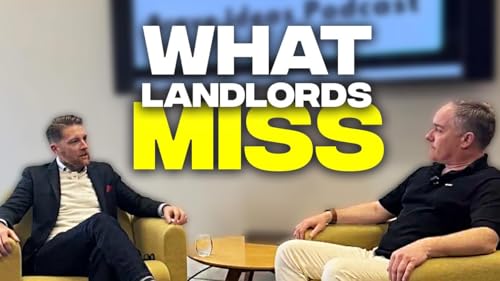
  • Are the Wrong Questions About Flex Office Costing Landlords Money?
    May 6 2026
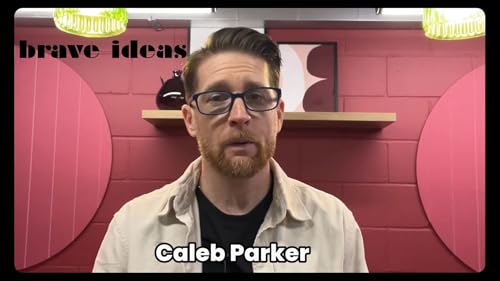
    Brave Ideas Season 17, Episode 4Presented by Flexspace AILearn how Flexspace AI is transforming coworking with their ecommerce revenue platform, featuring SmartPricing Agent, an AI-powered dynamic pricing engine. Tap hereLandlords have been asking whether flexible workspace belongs in their buildings for years.But is that even the right question?In this episode of Brave Ideas, Caleb Parker speaks with Wybo Wijnbergen, Co-Founder and CEO of infinitSpace, the company behind Beyond, a flexible workplace platform built in partnership with landlords.Wybo brings a rare perspective to this conversation. He was previously Managing Director for WeWork in Europe, where he helped open 50 locations in four years.Today, he is building infinitSpace around a different model, helping landlords operate flexible workplace through partnership structures designed to improve occupier experience and strengthen asset performance.The conversation starts with the origin story of infinitSpace, including how the business launched during COVID, raised its first million euros, and won its first management agreement before the company itself had a track record.Then the episode quickly moves into a bigger question, are landlords still evaluating flex through the wrong lens?Wybo explains why occupancy alone is not enough, why higher rent is not always the better decision, why performance clauses need to protect both landlord and operator, and why the quality and diversification of occupiers inside a flex space may matter more than the industry currently recognises.This is not a conversation about whether landlords should “do flex.”It is a conversation about what landlords should be measuring, how they should be underwriting, and whether asking better questions could unlock better outcomes for the asset.Listen to the full episode to hear how infinitSpace is helping landlords rethink flexible workplace, from data and yield management to brand, retention, underwriting, and valuation.🎧 To listen as a podcast FOR FREE switch to audio above,or follow Brave Ideas on Apple, Spotify, or wherever you listen.What You’ll Learn in This EpisodeHow infinitSpace went from a COVID-era startup idea to a growing flexible workplace platform across London, Amsterdam, and Berlin.Why winning the first landlord partnership was less about company track record and more about trust, timing, urgency, and personal credibility.How Wybo’s experience opening 50 WeWork locations in Europe helped create confidence with the first landlord partner.Why management agreements need clear performance clauses on both sides.Why operators also need protection when landlords fail to maintain the quality of the asset or invest properly in the space.Why brand is not just design, furniture, or materials, but the full perception of experience from first touchpoint to final interaction.How infinitSpace thinks about integrating the Beyond brand into the wider asset rather than creating a disconnected flex product inside the building.Why yield management is still underdeveloped across parts of the flexible workspace industry.How operators should evaluate retention, churn, pricing, void periods, customer acquisition cost, and historical demand before deciding whether to keep or replace an occupier.Why good operators need the discipline to walk away from buildings where the underwriting does not work.How infinitSpace is using AI, local market data, and internal systems to speed up underwriting and help landlords evaluate potential flex opportunities.Why Wybo believes flexible workspace should be judged not only by occupancy and NOI, but also by the quality and diversification of occupiers using the space.Visit www.BraveIdeas.media to watch this episode and join our newsletter. Get full access to Brave Ideas at www.braveideas.media/subscribe
    Afficher plus Afficher moins
    37 min
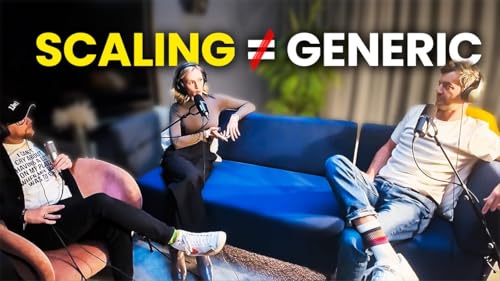
  • Can Coworking Scale Without Becoming Generic?
    Apr 29 2026
    Brave Ideas Season 17, Episode 3Presented by Flexspace AILearn how Flexspace AI is transforming coworking with their ecommerce revenue platform, featuring SmartPricing Agent, an AI-powered dynamic pricing engine. Tap hereScaling Without Losing the Soul of the BrandIn this episode of Brave Ideas, Caleb Parker and co-host Eyal Lasker sit down with Alex Young, Managing Director at Projects, the Brighton-born coworking brand now expanding into new cities across the UK.Alex brings a rare mix of operational discipline, brand instinct, and genuine community-led leadership. She started her journey with Projects on the front desk, went on to build experience across other leading workspace brands, and has now returned to lead the next phase of growth as Projects expands beyond Brighton into places like Tunbridge Wells, London, Bristol, and Cambridge.This conversation gets into what it really takes to scale a coworking brand without losing the culture, community, and hospitality-led experience that made it work in the first place.Alex shares why retention matters more than cramming in density, why transparent pricing builds trust, and why the best workspace brands know exactly what they stand for before they start scaling.Listen to the full episode to hear how Projects thinks about product mix, revenue quality, member experience, spatial planning, AI, and the commercial trade-offs behind building a profitable coworking brand.Further ReadingIn the episode, Caleb references an interview with Alana, Projects’ Brand Manager, and Lucy McInally on brand and brand activation. It is a useful companion piece to this conversation, especially if you want to go deeper on how Projects thinks about brand as a driver of community, culture, and member experience.🎧 To listen as a podcast FOR FREE switch to audio above,or follow Brave Ideas on Apple, Spotify, or wherever you listen.What You’ll Learn in This Episode* How Alex went from working on the front desk at Projects to becoming Managing Director.* Why every Projects team member has worked on the front desk, and why that experience shapes the company’s approach to service, community, and operations.* How Projects grew from one Brighton building into a platform now expanding into new UK cities.* Why Projects would rather sacrifice density than compromise the member experience.* How transparent pricing can support retention, trust, and long-term revenue growth.* Why brand values matter commercially, not just creatively.* How Projects thinks about balancing coworking, private offices, enterprise suites, meeting rooms, event spaces, gyms, and lifestyle amenities.* Why not every amenity needs to generate direct revenue to create business value.* What Projects learned from replacing an underused podcast suite with a specialist podcast production partner.* How Alex thinks about designing flexible, multifunctional spaces that can adapt without frustrating members.* Why AI should help teams become more human, not less.* How digital discovery, ecommerce, chatbots, and booking journeys are changing the way customers interact with flex operators.Key Takeaways for Operators* Retention is not a soft metric, it is a commercial strategy.Alex is clear that Projects prioritises member experience, trust, and long-term relationships over squeezing every possible desk into the floor plan. That means designing spaces where people feel they can move, work, meet, and connect without feeling overcrowded.* Density can damage the product if it erodes the member experience.Projects deliberately avoids overpacking coworking areas because the brand promise is built around feeling at home at work. If members cannot find space to work, take calls, meet people, or relax, the product breaks.* Transparent pricing builds trust.Projects publishes clear pricing and approaches rate increases with honesty. The goal is not to surprise members with hidden costs or inconsistent deals, but to build enough trust that members understand the value they are paying for.* Community teams are the backbone of the business.Alex makes the point directly, the front desk and community team make or break a coworking space. They are the first impression, the daily relationship, and often the reason members stay.* Amenities should be judged by their strategic value, not just direct revenue.The gym at Projects does not directly make money, but it reinforces the lifestyle-led brand promise. The event space could generate more income as an office, but it plays an important role in community, brand, and local market activation.* Do not chase trends without a long-term plan.Alex uses the example of reformer pilates to explain the risk of building around what is fashionable today. Projects is thinking about multifunctional spaces that can serve yoga, pilates, physiotherapy, and other uses over time, rather than locking into a trend that may fade.* AI should remove admin friction, not replace human judgement.For Projects, AI is ...
    Afficher plus Afficher moins
    53 min
  • What Most Coworking Brands Still Get Wrong About Hospitality
    Apr 22 2026

    Brave Ideas Season 17, Episode 2

    Presented by Flexspace AI

    Learn how Flexspace AI is transforming coworking with their ecommerce revenue platform, featuring SmartPricing Agent, an AI-powered dynamic pricing engine. Tap here

    Most coworking brands talk about hospitality. Far fewer actually deliver it.

    In this episode of Brave Ideas, Caleb Parker sits down with James Panepinto, Group Ancillary Revenue Manager at Clockwise, to unpack what hospitality really means in a coworking environment, and why getting it right can directly impact retention, pricing power, and long-term profitability.

    Joining as co-host is Eyal Lasker, CEO of Flexspace AI in the MUTE Showroom in Clerkenwell London.

    James makes the case that coworking is not just serviced office with better furniture. It is a hospitality product, and operators who fail to understand that will be left behind.

    Check out James’s Brave Ideas article on hospitality and grand gestures.

    James also shares his work with FLOC, a platform helping support the next generation of leaders in coworking and flex.

    Listen now and hear why the best coworking brands are not built on desks and WiFi alone.

    To watch this episode or join the newsletter, visit BraveIdeas.media


    Get full access to Brave Ideas at www.braveideas.media/subscribe
    Afficher plus Afficher moins
    38 min
  • How To Build A Profitable Flex Business
    Apr 16 2026

    Brave Ideas Season 17, Episode 1

    Brought to you by Flexspace AI, the coworking industry’s first all-in-one ecommerce engine, helping flex operators optimise pricing, automate marketing, and grow revenue.

    In the first episode of Season 17, Caleb Parker is joined by Alex Livesey, Fractional MD at Mantle and CEO of Little Red Donkey, with Eyal Lasker, CEO of Flexspace AI, joining as co-host.

    Alex brings a rare mix of leadership across flex office and hospitality, with senior experience at Clockwise, Native, and Brama Hotels.

    In this conversation, she explains why occupancy can be one of the most misleading metrics in flex, why pricing quality and margin matter more than vanity utilisation targets, and how supply, product mix, and micro-location can completely reshape what a successful underwriting model looks like.

    They also get into revenue quality, yield management, meeting room performance, ancillary revenue, enterprise risk, and the operational systems needed to build a more profitable flex business.

    What You’ll Learn in This Episode

    Why occupancy can be a misleading metric in flex

    How better pricing can matter more than filling the building

    Why product mix and micro-location shape performance

    How hospitality thinking improves meeting room and ancillary revenue

    Why some enterprise deals create more risk than value

    What people, processes, and systems reveal about operational weakness

    How better yield management can improve bottom-line performance


    Get full access to Brave Ideas at www.braveideas.media/subscribe
    Afficher plus Afficher moins
    58 min
  • Brave Ideas Season 17: What Separates the Winners in Office Real Estate?
    Apr 9 2026

    Brought to you by Flexspace AI, our headline sponsor for Season 17.

    The office is not dead. But the winners will look very different.

    In this standalone trailer episode, Caleb Parker sets the stage for Season 17 of Brave Ideas, a season focused on what actually drives performance in a Space as a Service world.

    We have spent years talking about disruption.

    This season is about execution.

    Across the season, Caleb speaks with founders, operators, and commercial leaders building for a new reality, one where office space has to earn the commute, and where hospitality, community, brand, technology, management, and finance all play a role in long term value creation.

    From retention and pricing power to revenue quality, customer experience, and smarter operating models, this season is about what actually works.

    Watch at www.braveideas.media

    CONNECT

    Caleb Parker’s LinkedIn

    Work.Life Podcast Studio

    What You’ll Learn in This Episode

    * Why Season 17 is focused on execution, not theory

    * What actually drives performance in modern workplace businesses

    * Why the future of office value creation depends on more than space alone

    * How leading operators are building stronger brands, stronger experiences, and better economics

    * What landlords and investors need to understand as office becomes more operationally driven

    Key Takeaways for Operators

    * Execution matters more than industry rhetoric

    * Retention, pricing discipline, customer experience, and operational excellence are central to performance

    * Hospitality, community, and brand are commercial levers, not soft extras

    Key Takeaways for Real Estate Investors and Landlords

    * Office is increasingly becoming a service-led, management-intensive asset class

    * Revenue quality, customer relevance, and operating capability are becoming more important to long term performance

    * The future winners will be defined by how well they execute, not just what space they own

    Behind The Scenes

    A big thank you to Eyal Lasker and the team at Flexspace AI for supporting the season as headline sponsor.

    We also want to give a special shoutout to Nat and the team at Work.Life, where most of this season was recorded, for their brilliant podcast studio and hospitality throughout the season. Tap here to book their podcast studio yourself!

    Season 17 of Brave Ideas explores the operators, ideas, and business models shaping the next era of office real estate.


    Get full access to Brave Ideas at www.braveideas.media/subscribe
    Afficher plus Afficher moins
    3 min
  • How Did x+why Scale a Management Agreement Only Flex Portfolio?
    Dec 23 2025
    Brave Ideas Season 16, Episode 10Explore how Mute is leading the adaptable office architecture evolution, offering modular solutions to futureproof office investments while significantly reducing construction costs and CO₂ emissions. Tap hereAvoiding Risk InequityIn this episode, Brave Corp CEO, Caleb Parker, and co-host Gary Helm from MUTE sits down with x+why CEO & Cofounder, Rupert Dean, inside the MUTE showroom in Clerkenwell, London, to unpack how x+why has scaled a management agreement only flex platform to 16 locations, partnered with landlords who also back the operating company, and turned heritage buildings into hospitality-led workplaces that serve whole buildings, not just flex floors.The conversation covers:* How x+why’s first East London site combined a management agreement with landlord equity into the operating company* Why Rupert, an ex corporate finance lawyer, rejected lease arbitrage in favour of a management agreement only strategy* How x+why separates TopCo and site level P&Ls and structures fees against net effective performance* The role of heritage, hospitality and community in projects like Arding and Hobbs in Clapham Junction and 103 Colmore Row in Birmingham* How modular fit out, e commerce and early stage dynamic pricing are being used today, and why AI is on Rupert’s roadmapVisit BraveIdeas.media for behind the scenes or to watch this episode and signup for the newslettter.CONNECT* Rupert Dean* x+why website* Caleb Parker* Gary Helm* MUTE* Flexspace AIKey Takeaways for Operators* Use a three part filter before you say yes to a buildingAlways test demand, building fabric, and landlord profile together; a management agreement only model still fails if any one of those is wrong.* Design your economics around the opco, not the propcoSeparate TopCo and site level P&Ls, and link your upside to net effective operating performance so you are not dependent on a future sale or refinance that you do not control.* Turn “flex floors” into whole building servicesLook beyond coworking; build capability in front of house, clubs, events and F&B so you can credibly pitch as the single operating platform for a landlord, not just another floor operator.* Plan for B2B and B2C engines to coexistIn secondary nodes and members club buildings, build workflows, automation and CRM logic that can handle high volume individual sales alongside office deals, rather than treating everything like a broker led B2B pipeline.* Climb the revenue management ladder deliberatelyMove from static rate cards to simple spreadsheet based dynamic pricing by day and demand band, then layer in data capture and AI once you know which levers genuinely move occupancy and yield.Key Takeaways for Real Estate Investors and Landlords* Treat operator selection as a governance decision, not just a design choiceWhen you back a management agreement, you are effectively buying into an operating system, so interrogate reporting standards, risk management and decision rights as hard as the look and feel.* Consider equity alignment where you want long term partnershipCo-investing at opco or site level can align incentives more tightly than an SPV lease, but only if you understand how the P&Ls work and where upside is shared.* Use amenity and clubs as leasing tools, not decorationsStudy examples like Birmingham and Clapham Junction, where properly executed clubs, terraces and F&B have coincided with stronger leasing and local traction, and underwrite amenity as part of the demand story.* Re-rate secondary nodes using total occupancy cost and experienceLocations like Clapham Junction can offer strong connectivity, lower total occupancy cost and a differentiated, hospitality led experience; weigh those against headline rent in core CBD when allocating capital.* Build adaptability into your underwritingPrioritise assets and operators that can reconfigure layouts quickly with modular products and light interventions, so you are not locked into one demand pattern for the full hold period.Visit BraveIdeas.media for behind the scenes or to watch this episode and signup for the newslettter. Get full access to Brave Ideas at www.braveideas.media/subscribe
    Afficher plus Afficher moins
    1 h et 2 min
  • Brave Ideas Special Feature: Unpacking the UK’s Flex Demand
    Dec 18 2025

    Brave Ideas Special Feature: Unpacking the UK’s Flex Demand

    Jim Groves, CEO of Rubberdesk, joins Brave Corp CEO, Caleb Parker for a Brave Ideas Special Feature. The conversation follows Brave Ideas’ collaboration with Rubberdesk on their Q3 2025 report, and goes deeper into what Rubberdesk is seeing in the UK flex market. Jim explains how Rubberdesk tracks live availability and pricing, then breaks down the split in market dynamics, London tightening versus softer conditions in several regional cities. They also discuss the growth of managed offices, what larger occupiers are asking for, and how technology and automation may change flex broking.

    Links and References

    * Flex Is the Backbone of the Brave Economy: Why Businesses Are Doubling Down in Uncertain Times

    * The New Era of ‘Landlord Flex’

    * The Flex Divide: Regional Realities in a Brave Economy

    * Enterprise Flex: How Big Business Is Powering the UK’s Office Resilience

    Visit BraveIdeas.media to watch the episode and join the newsletter.

    Connect

    * Jim Groves

    * Rubberdesk

    * Caleb Parker

    Published exclusively in partnership with early access to Rubberdesk’s Q3 2025 report.


    Get full access to Brave Ideas at www.braveideas.media/subscribe
    Afficher plus Afficher moins
    42 min
  • How Does Iconic Offices Create ‘Super Normal Profit’ for Office Landlords?
    Dec 17 2025
    Brave Ideas Season 16, Episode 9Brought you by Flexspace AILearn how Flexspace AI is transforming coworking with their ecommerce revenue platform, featuring SmartPricing Agent, an AI-powered dynamic pricing engine. Tap hereWhat happens when a Dublin estate agent spots an arbitrage opportunity, rolls out eight buildings with no brand and no bank debt, then pivots into 60,000 SqFt management deals for global AI companies?In this episode, Brave Corp CEO, Caleb Parker and cohost Eyal Lasker from Flexspace AI site down in the MUTE showroom for a detailed conversation with Joe McGinley, Founder and CEO of Iconic Offices in Dublin, Ireland to unpack what “super normal profit” really looks like in flex real estate.Joe explains how he moved from running an estate agency to securing his first site to becoming Dublin’s largest coworking brand. He breaks down the different “versions” of Iconic, from 5,000 SqFt Georgian and Victorian buildings to a 60,000 SqFt management deal one door from St Stephen’s Green, and how that evolution shifted Iconic’s customer base from SME value seekers to global companies, including several of the top AI firms in the world.We go deep on culture, brand, and operations, and Joe shares what he thinks about lease arbitrage versus management agreements, why some owners are trading fixed rent for control and “super normal profit,” and how Iconic structures its role across design, planning, and delivery to reposition entire buildings.Listen to learn how a crash era arbitrage play evolved into a premium flex brand sitting at the top of the Irish market, and what that means for owners thinking about upside in their office assets.In this episode you will learn:* How Iconic evolved from 5,000 SqFt period buildings to 60,000 SqFt, amenity rich schemes* Why design quality and experience are central to attracting global brands* How Joe defines brand* How Iconic approaches custom builds and floor by floor design for large enterprise members* Joe’s view on flight to quality* How he thinks about online bookings, on-demand products, and where e-commerce makes sense in flex* The practical differences between lease arbitrage and management agreements, and why some landlords now choose upside participation over fixed incomeTo watch this episode, join the newsletter and access behind the scenes content, visit www.braveideas.mediaCONNECT* Joe McGinley* Iconic Offices* Caleb Parker* MUTE* Flexspace AIKey Takeaways for Operators* Arbitrage plus design can be enough to start, not enough to scaleJoe’s first phase was simple, secure a whole building at a low rent, invest in a higher quality fit out than the market, and lease it up. That model got him to eight locations without a brand, a business plan, or investors, however scaling required a clearer proposition and larger, more complex buildings.* Brand is behaviour, not a logoIconic’s brand is defined by how the team shows up for members and partners every day, not by guidelines on a slide. Long tenures on the leadership team and an 85 out of 100 Great Place to Work score indicate that internal culture is aligned with the external promise.* Private offices remain the core, coworking is a toolIconic’s primary revenue driver is private offices, with coworking and on-demand elements used selectively to support atmosphere and building activation, rather than as the main business.* On demand and e-commerce are coming, but not everywhereJoe sees a clear role for online bookings across meeting rooms, day offices, and smaller private offices, however he draws the line at larger, customised floors, which still require a consultative sales process if you want to maximise value and fit.Key Takeaways for Real Estate Investors and Landlords* Management agreements can deliver control and “super normal profit”For certain owners, particularly those buying large prime assets, the ability to retain control of the building, fund capex at their own cost of capital, and share in upside above market rent is more attractive than signing a long lease. That is where “super normal profit” shows up.* Operator alignment comes from structureIn Iconic’s management deals, the owner funds capex and holds the assets, while Iconic provides business planning, design, construction oversight, and operations. Joe’s team spends years working on some schemes before opening, and only starts to benefit once the building trades, which aligns incentives around performance.* The market is splitting into two tiersJoe describes a visible two tier system in Dublin, with a clear gap opening between upper and lower quality stock. The middle is under pressure, which reinforces the need to invest in quality, amenity, and experience if owners want to compete with both home and premium flex.* Flex is no longer a marginal productIconic now operates at the top of the Irish market, with a member base that includes global technology and AI brands. For landlords, this shows that...
    Afficher plus Afficher moins
    42 min