

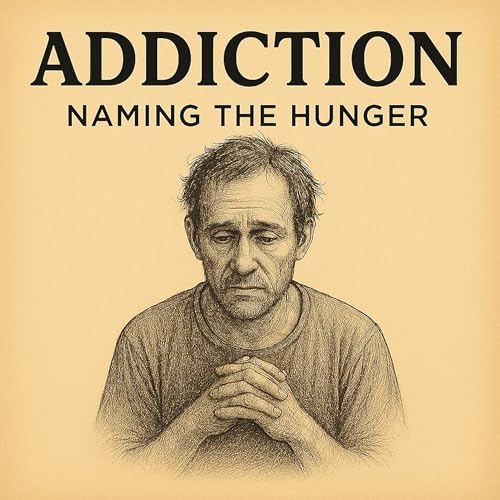
Addiction - Not a Moral Failing
Impossible d'ajouter des articles
Désolé, nous ne sommes pas en mesure d'ajouter l'article car votre panier est déjà plein.
Veuillez réessayer plus tard
Veuillez réessayer plus tard
Échec de l’élimination de la liste d'envies.
Veuillez réessayer plus tard
Impossible de suivre le podcast
Impossible de ne plus suivre le podcast

Addiction - Not a Moral Failing
-
Lu par :
-
De :
-
Selenius Media
À propos de ce contenu audio
For decades, policy favored punishment over healing. From crack-era laws to “zero tolerance,” governments built enforcement-heavy systems that filled prisons while leaving demand untouched. This episode examines how deterrence failed: supply adapted, markets shifted, and harm multiplied. Meanwhile, treatment and harm reduction proved what punishment could not—reduced death, improved safety, restored lives. We explore the choice societies still face: criminalize people for the substances they use, or design systems that address why use begins and why it persists. The war on drugs was never a war on molecules—it was a war on communities.
Selenius Media
Selenius Media
Vous êtes membre Amazon Prime ?
Bénéficiez automatiquement de 2 livres audio offerts.Bonne écoute !
Épisodes
-
 Sep 16 202511 min
Impossible d'ajouter des articles
Désolé, nous ne sommes pas en mesure d'ajouter l'article car votre panier est déjà plein.Veuillez réessayer plus tardVeuillez réessayer plus tardÉchec de l’élimination de la liste d'envies.
Veuillez réessayer plus tardImpossible de suivre le podcast
Impossible de ne plus suivre le podcast
-
 Sep 16 202510 min
Impossible d'ajouter des articles
Désolé, nous ne sommes pas en mesure d'ajouter l'article car votre panier est déjà plein.Veuillez réessayer plus tardVeuillez réessayer plus tardÉchec de l’élimination de la liste d'envies.
Veuillez réessayer plus tardImpossible de suivre le podcast
Impossible de ne plus suivre le podcast
-
 Sep 16 202516 min
Impossible d'ajouter des articles
Désolé, nous ne sommes pas en mesure d'ajouter l'article car votre panier est déjà plein.Veuillez réessayer plus tardVeuillez réessayer plus tardÉchec de l’élimination de la liste d'envies.
Veuillez réessayer plus tardImpossible de suivre le podcast
Impossible de ne plus suivre le podcast
Aucun commentaire pour le moment