

The Matrix
Impossible d'ajouter des articles
Désolé, nous ne sommes pas en mesure d'ajouter l'article car votre panier est déjà plein.
Veuillez réessayer plus tard
Veuillez réessayer plus tard
Échec de l’élimination de la liste d'envies.
Veuillez réessayer plus tard
Impossible de suivre le podcast
Impossible de ne plus suivre le podcast
Bénéficiez gratuitement de Standard pendant 30 jours
5,99 €/mois après la période d’essai. Annulation possible à tout moment

The Matrix
Lu par :
David Blair
Acheter pour 13,48 €
-
Lu par :
-
David Blair
-
De :
-
Joshua Clover
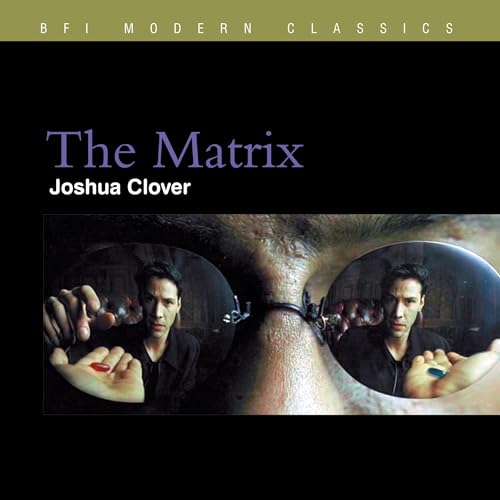
The Matrix (1999), directed by the Wachowski sisters and produced by Joel Silver, was a true end-of-the-millennium movie, a statement of the American zeitgeist, and, as the original film in a blockbusting franchise, a prognosis for the future of big-budget Hollywood film-making.
Starring Keanu Reeves as Neo, a computer programmer transformed into a messianic freedom fighter, The Matrix blends science fiction with conspiracy thriller conventions and outlandish martial arts created with groundbreaking digital techniques. A box-office triumph, the film was no populist confection: its blatant allusions to highbrow contemporary philosophy added to its appeal as a mystery to be decoded.
In this compelling study, Joshua Clover undertakes the task of decoding the film. Examining The Matrix's digital effects and how they were achieved, he shows how the film represents a melding of cinema and video games (the greatest commercial threat to have faced Hollywood since the advent of television) and achieves a hybrid kind of immersive entertainment. He also unpacks the movie's references to philosophy, showing how The Matrix ultimately expresses the crisis American culture faced at the end of the 1990s.©2004 Joshua Clover (P)2025 Bloomsbury Publishing PLC
adbl_web_anon_alc_button_suppression_t1
Aucun commentaire pour le moment