Épisodes

  • The Role of COO in Gaming: Viki Freeman (Airship Interactive) and Katya Dolgova (Redhill Games)
    Apr 13 2026

    This episode explores how the COO role in game development operates as a highly adaptive, execution-focused function that bridges strategy and day-to-day operations. Through perspectives from Viki Freeman (Airship) and Katya Dolgova (Redhill Games), it highlights how COOs oversee production health, talent development, and operational infrastructure while translating the CEO’s vision into actionable plans. The role extends beyond internal management into areas like business development, especially in smaller or founder-led studios. Key challenges include navigating constant industry change, retaining talent, and managing multiple complex projects simultaneously. Ultimately, both leaders frame the COO as an enabler whose primary objective is to remove friction, allowing developers to focus on building high-quality games in a supportive, well-structured environment.

    Afficher plus Afficher moins
    51 min
  • HR Leadership in Gaming: Marina Jónsdóttir (Head of People at Starbreeze), Joseph Wilson (ex-VP People Experience at EA), Keith Caswell (ex-Hasbro, EA, Microsoft)
    Mar 26 2026

    In this episode of the Talent Game Podcast, host Joe Burridge engages with three HR professionals from the gaming industry, discussing their diverse career paths, the evolving role of HR, and the importance of culture and psychological safety in organizations. They share insights on strategic HR practices, the significance of adaptability and curiosity in career growth, and the metrics that define success in HR roles. The conversation also touches on personal gaming experiences and favorite interview questions, providing a comprehensive view of the intersection between HR and the gaming industry.

    Afficher plus Afficher moins
    1 h
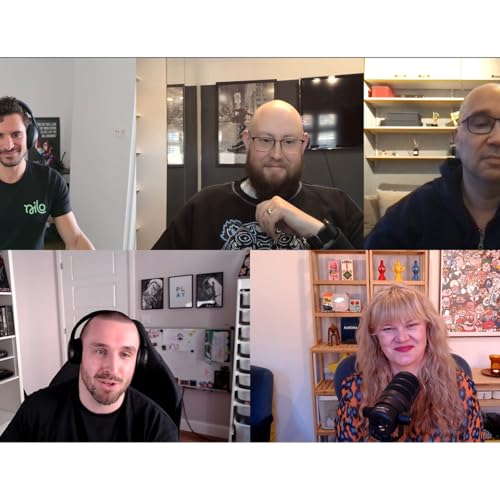
  • Inside the Role of a Games CEO: Nuno Leiria (CEO, Nilo), John Wright (CEO, Turborilla), Kate Booth (CEO, Studio HEFT), Kim Soares (CEO, Social First)
    Mar 20 2026

    In this episode of the Talent Game podcast, a group of CEOs from various gaming companies share their personal stories, insights into the gaming industry, and the challenges they face in their roles. The conversation covers topics such as gaming nostalgia, the impact of generative AI on game development, and the balance between work and personal gaming time. Each guest shares their unique journey and experiences, highlighting the importance of collaboration and community in the gaming world. In this conversation, industry leaders discuss their diverse paths to becoming CEOs in the gaming sector, emphasizing the importance of technical backgrounds, accountability, and the need for financial literacy. They share insights on the significance of negotiation, communication, and building genuine relationships, while also addressing the balance between creative and business aspects. The discussion culminates in defining success not just in terms of financial metrics but also in the long-term impact on team members and the industry as a whole.

    Afficher plus Afficher moins
    1 h et 3 min
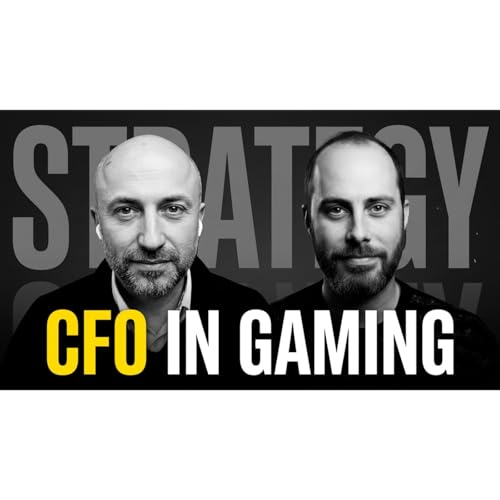
  • The CFO role in gaming: Ido Hochman (CFO, Avid Games) and Francesco La Deda (CFO, WA.Technology)
    Mar 12 2026

    In this episode of the Talent Game Podcast, host Joe Burridge engages with CFOs Edo and Francesco to explore the multifaceted role of a Chief Financial Officer (CFO) in the gaming industry. They discuss their career paths, the importance of industry knowledge, and the various types of CFOs. The conversation delves into the perception of finance, what makes it exciting, and the essential qualities that aspiring CFOs should cultivate. The episode concludes with insights on effective interview questions for hiring finance professionals.

    Takeaways

    • CFOs play a crucial role in enabling teams to focus on growth.
    • Industry knowledge enhances a CFO's effectiveness in decision-making.
    • Curiosity and passion for the industry are vital traits for a CFO.
    • Different stages of a company's growth require different CFO skills.
    • Finance is not just about numbers; it's about people and culture.
    • A successful CFO must communicate effectively with all departments.
    • Understanding the product and market dynamics is essential for a CFO.
    • CFOs should be adaptable and able to switch between strategic and operational roles.
    • Hiring a CFO requires understanding the specific needs of the business.
    • Interview questions should reveal a candidate's thought process and creativity.
    Afficher plus Afficher moins
    53 min
  • The Chief Revenue Officer role in gaming: Paul Bowen (CRO at Appcharge) and Dan Laughlin (CRO at Gamesight)
    Mar 6 2026

    In this episode of the Talent Game podcast, Joe Burridge discusses the role of a Chief Revenue Officer (CRO) in the gaming industry with guests Paul Bowen and Dan. They explore the definition of a CRO, career paths to the position, the differences between B2B and B2C gaming companies, and the evolving responsibilities of CROs in larger organizations. The conversation also covers key considerations for hiring a CRO and advice for aspiring professionals in this role, including the importance of collaboration and data analysis.

    Takeaways

    • The CRO role is a connector within the company.
    • CROs must learn to say no to ensure focus.
    • The role of a CRO evolves as the company grows.
    • Timing is crucial for hiring a CRO.
    • CROs in gaming companies often come from a B2B background.
    • Understanding customer behavior is key for CROs.
    • Writing and communication skills are essential for a CRO.
    • Collaboration with other teams is vital for success.
    • CROs should have experience in building revenue-generating teams.
    • Hiring a CRO requires careful consideration of their background and skills.
    Afficher plus Afficher moins
    53 min
  • The role of CTO in the games industry: Mark Allen (Avid Games), Terence Burns (Tanglewood Games) and Puli Liyanagama (Metica)
    Feb 26 2026

    In this episode of The Talent Game Podcast, host Joe Burridge engages with three experienced CTOs from diverse backgrounds in the gaming industry. They discuss their unique paths to becoming CTOs, the essential traits that define successful technology leaders, and the importance of hiring practices that align with company values. The conversation also delves into the evolving role of the CTO, emphasizing the balance between technical knowledge and strategic oversight. The guests share insights on what to look for when hiring a CTO, including red flags to avoid, and conclude with reflections on the responsibilities and challenges faced by CTOs in today's tech landscape.

    Takeaways

    • CTOs often transition from engineering roles to leadership positions.
    • Value alignment is crucial when hiring for technical leadership.
    • A good CTO focuses on reducing friction within the team.
    • Technical knowledge is important for effective communication with engineers.
    • Hiring people better than yourself is a key principle for CTOs.
    • CTOs should prioritize strategic oversight over hands-on coding.
    • Understanding the business model is essential for a CTO.
    • Mistakes in hiring can stem from misalignment of values.
    • Effective CTOs are facilitators who empower their teams.
    • Continuous learning is vital for staying relevant in technology.
    Afficher plus Afficher moins
    54 min
  • The role of Studio Head in the games industry with Robert Bowling and Tristan Rattink
    Feb 18 2026

    In this episode of the Talent Game Podcast, host Joe Burridge engages in a panel discussion with games industry veterans Tristan and Robert about the evolving role of a studio head in the gaming industry. They explore the diverse paths to leadership positions, the definition of success in these roles, and share insights on effective interview questions that reveal the core of a candidate's character. The conversation highlights the importance of adaptability, seizing opportunities, and the balance between product focus and business acumen in the gaming sector.

    Takeaways

    • The role of a studio head can vary widely based on studio size and product type.
    • Success in leadership roles often requires a blend of product obsession and business acumen.
    • Seizing opportunities is crucial for career advancement in the gaming industry.
    • Measuring success can be subjective and often requires hindsight.
    • Interview questions should aim to uncover the true character of candidates.
    • The gaming industry attracts individuals who value authenticity and creativity.
    • Building a game is as much about running a business as it is about creativity.
    • Career paths to leadership can be non-linear and filled with unexpected opportunities.
    • Effective leaders in gaming often have diverse experiences across different roles.
    • Understanding team dynamics and employee sentiment is key to successful leadership.
    Afficher plus Afficher moins
    57 min
  • Nick Button-Brown (The Games Angels | Improbable | Crytek | EA)
    Mar 20 2025

    In this episode of The Talent Game podcast, I speak with Nick Button-Brown, a gaming industry veteran with nearly 30 years of experience. We explore Nick’s journey from accounting to gaming, his role as an angel investor, and what makes a startup investable. The conversation covers balancing creativity with delivery in game development, the impact of leadership on team culture, and the evolving role of AI in games. Nick also shares insights on hiring, team dynamics, and the importance of authenticity and self-reflection in building strong teams.

    🎮 Balancing Creativity & Execution – Great game development isn’t just about big ideas; it’s about delivering them effectively. Startups often fail by prioritizing creativity without considering execution. The best teams iterate rapidly, refining their vision while staying grounded in production realities.

    🚀 What Makes a Team Investable – Investors look for teams with a mix of experience, adaptability, and the ability to learn from failure. Passion is important, but startups need leaders who understand both the commercial and creative sides of gaming, ensuring long-term sustainability.

    🤝 Leadership & Team Culture Shape Success – Strong leadership isn’t just about honesty; it’s about knowing when and how to deliver tough messages while maintaining morale. Hiring should focus on team fit and diverse skill sets, with self-awareness and emotional intelligence playing a key role in building and scaling great teams.

    Afficher plus Afficher moins
    50 min